PM Modi Launches ₹426 Crore Projects at Ekta Nagar on Unity Day
Synopsis
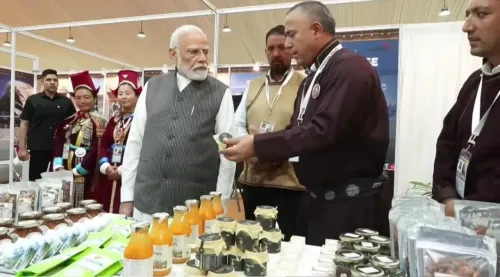
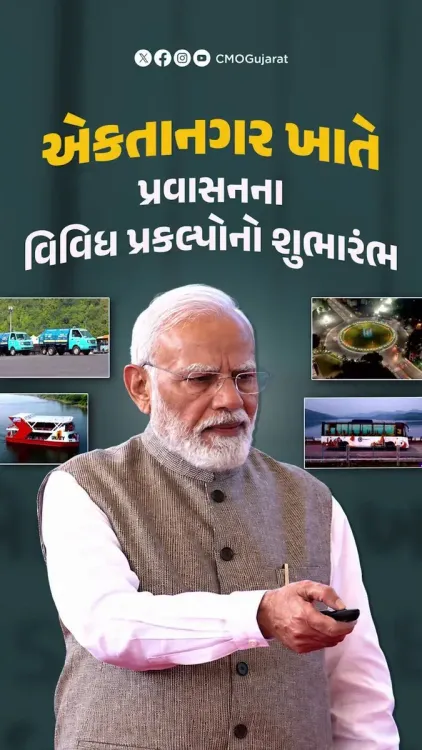
Prime Minister Narendra Modi inaugurated and laid foundation stones for projects worth over ₹426 crore at Ekta Nagar on Rashtriya Ekta Diwas 2026, targeting tourism, transport, and environment upgrades to elevate the Statue of Unity on the global tourism map.
Key Takeaways
₹426 crore+ in projects inaugurated and foundation-laid at Ekta Nagar on 31 October 2026 .
Prime Minister Narendra Modi led the ceremony on Rashtriya Ekta Diwas , marking Sardar Patel's birth anniversary.
Projects cover tourism, transportation, environment, and modern civic amenities at the Statue of Unity site.
The Statue of Unity , the world's tallest statue, was first inaugurated on 31 October 2018 — exactly eight years before this ceremony.
Gujarat's stated goal is to place the Statue of Unity among the top destinations on the global tourism map.
The annual Rashtriya Ekta Diwas event has become a recurring platform for successive phases of infrastructure investment at Ekta Nagar .
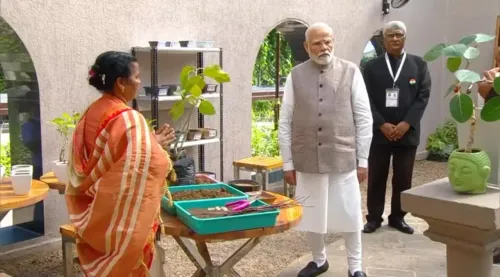
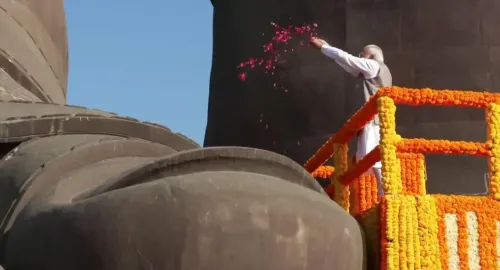
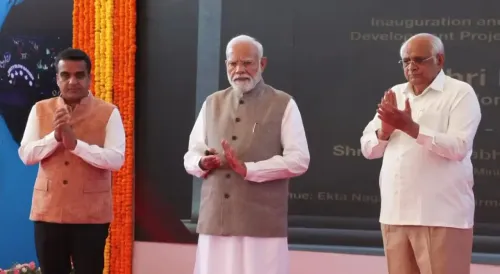
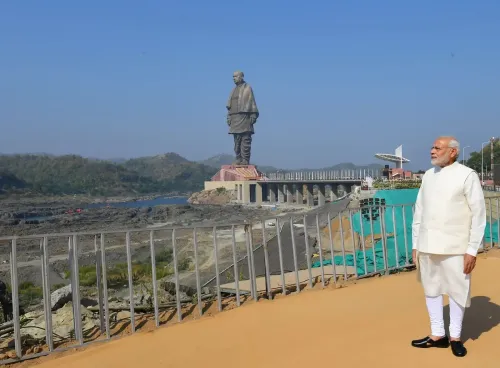
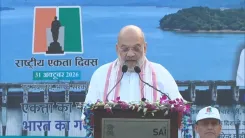
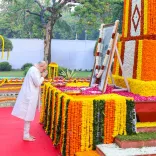
On the birth anniversary of Sardar Vallabhbhai Patel — the man who stitched together a fractured subcontinent — Prime Minister Narendra Modi added another chapter to the story of Ekta Nagar, inaugurating and laying the foundation for projects worth more than ₹426 crore at the Statue of Unity site on 31 October 2026. The occasion: Rashtriya Ekta Diwas, National Unity Day — and the ambition on display was unmistakably larger than a ribbon-cutting.
The Chief Minister's Office of Gujarat announced the development push, describing it as a 'confluence of national unity, tourism, and development.' The projects span tourism infrastructure, transport upgrades, environmental improvements, and modern civic facilities — a portfolio designed to transform the memorial zone from a one-visit wonder into a sustained global destination.
From Kevadia to the World Tourism Map
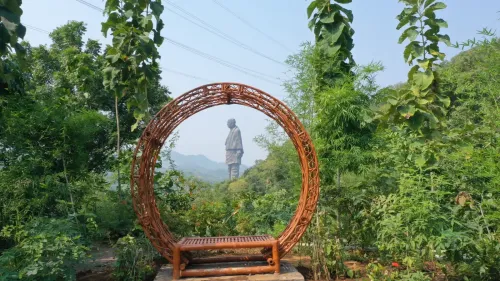
Ekta Nagar — formerly known as Kevadia in Narmada district, Gujarat — was formally renamed when the government designated it as a dedicated development zone anchored around the world's tallest statue. Since the Statue of Unity opened on 31 October 2018 — exactly eight years before today's ceremony — successive rounds of investment have layered hotels, a seaplane service, a jungle safari, a flower valley, and transport links onto the original monument. Each Rashtriya Ekta Diwas has functioned as a recurring launch pad for the next phase of that build-out.
The pattern is deliberate. Gujarat's strategy has been to convert a single national-pride landmark into a self-sustaining tourism economy for the tribal and rural communities of Narmada district. The ₹426 crore tranche announced today pushes that long-term investment to a new cumulative milestone, even as the state eyes higher footfall numbers and international visitor share.
Patel's Legacy as Development Architecture
Sardar Patel, India's first Deputy Prime Minister and Home Minister, oversaw the integration of more than 560 princely states into the Indian Union after independence — a feat that defined the geographical reality of modern India. The choice to anchor a major infrastructure programme to his birth anniversary is not incidental: it frames economic development as an extension of the national unity he represents, giving the annual ceremony both ceremonial weight and policy momentum.
The Gujarat government's statement specifically noted that the new projects would 'propel the Statue of Unity to a higher place on the world's tourism map' — a signal that the benchmark is no longer domestic footfall alone but international ranking and recognition.
Tourism, Transport, and What Comes Next
The broad categories announced — tourism, transportation, environment, and modern amenities — suggest a multi-front upgrade rather than a single flagship project. Connectivity improvements would matter most for converting regional day-trippers into longer-stay visitors, while environmental investments speak to sustainable-tourism credentials increasingly demanded by international travellers.
The real test will arrive in the tourism-arrival and revenue figures for Narmada district in the coming fiscal year. If the cumulative infrastructure spend translates into measurable uplift in international visitor numbers, Ekta Nagar's case as a model for monument-led regional development will be considerably stronger.
Eight years on from the statue's inauguration, the government's bet is clear: Sardar Patel built the nation; the nation is now building around him.
Point of View
The government fuses national-unity symbolism with tangible development delivery, reinforcing a BJP narrative that patriotism and prosperity are mutually reinforcing. The shift in stated ambition — from domestic footfall to the 'world tourism map' — signals that the project is now being benchmarked against international heritage destinations, raising the stakes for ROI on cumulative public investment. Whether the infrastructure translates into sustained international arrivals will be the defining metric for the model's replicability elsewhere in India.
NationPress
31 Oct 2026
Frequently Asked Questions
What projects were inaugurated at Ekta Nagar on Rashtriya Ekta Diwas 2026?
Prime Minister Narendra Modi inaugurated and laid the foundation for development works worth more than ₹426 crore at Ekta Nagar on 31 October 2026, covering tourism, transportation, environmental, and modern amenity infrastructure around the Statue of Unity.
Why is Rashtriya Ekta Diwas celebrated on 31 October?
Rashtriya Ekta Diwas, or National Unity Day, is observed every year on 31 October to mark the birth anniversary of Sardar Vallabhbhai Patel, India's first Deputy Prime Minister, who is credited with integrating over 560 princely states into the Indian Union after independence.
What is Ekta Nagar and where is it located?
Ekta Nagar, formerly known as Kevadia, is a dedicated development and tourism zone in Narmada district, Gujarat, built around the Statue of Unity — the world's tallest statue of Sardar Vallabhbhai Patel.
When was the Statue of Unity inaugurated?
The Statue of Unity was inaugurated by Prime Minister Narendra Modi on 31 October 2018, coinciding with Sardar Patel's birth anniversary and the first observance of Rashtriya Ekta Diwas at the site.
How is Gujarat developing the Statue of Unity into a global tourism destination?
Gujarat has pursued sustained rounds of infrastructure investment at Ekta Nagar — including connectivity, hospitality, environmental upgrades, and amenity projects — with each phase announced on Rashtriya Ekta Diwas, aiming to increase both domestic footfall and international visitor arrivals.