Amit Shah marks Rashtriya Ekta Diwas, hails Patel's iron resolve
Synopsis
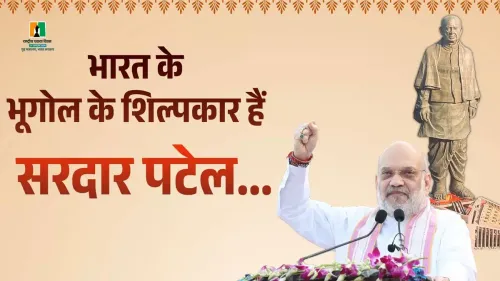
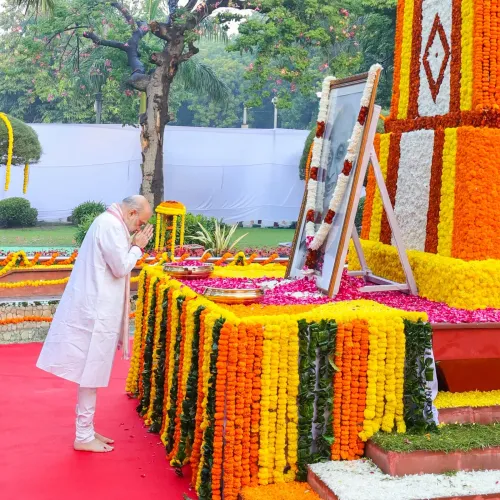
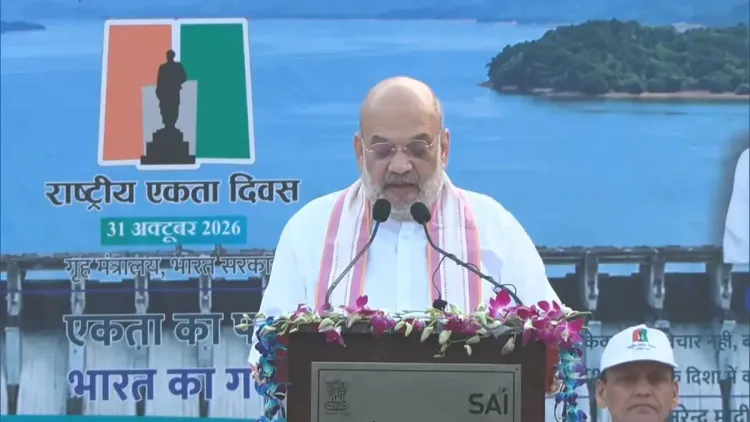
On Rashtriya Ekta Diwas, 31 October 2026, Union Home Minister Amit Shah honoured Sardar Vallabhbhai Patel, crediting him with unifying India's 565 princely states and disproving global predictions of post-independence fragmentation.
Key Takeaways
Union Home Minister Amit Shah posted a tribute to Sardar Vallabhbhai Patel on 31 October 2026 , Rashtriya Ekta Diwas.
Shah quoted predictions by 'political pundits worldwide' that India would disintegrate after independence — and called them definitively wrong.
Patel, India's first Deputy Prime Minister and Home Minister, secured the accession of 565 princely states between 1947 and 1949 .
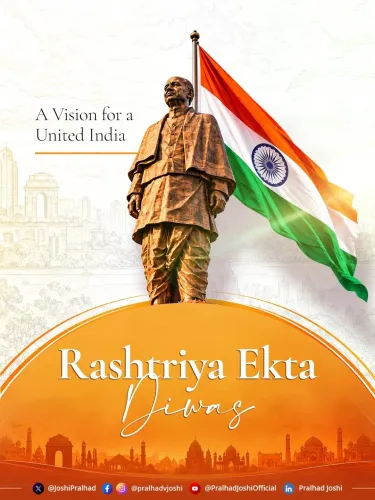
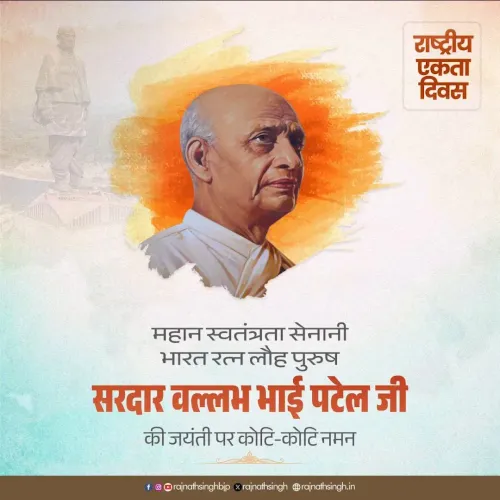
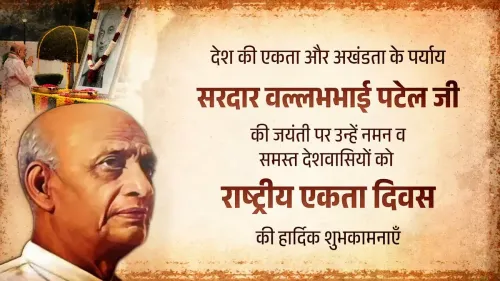
Rashtriya Ekta Diwas was established in 2014 to commemorate Patel's birth anniversary and his role in national integration.
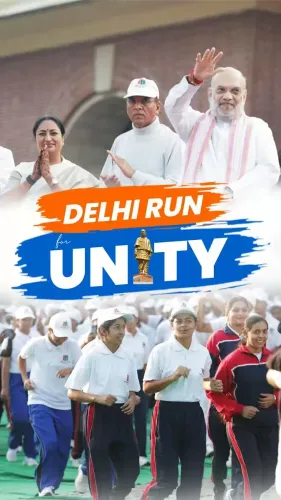
Annual observances include the 'Run for Unity' and ceremonies at the Statue of Unity in Kevadia, Gujarat .
Senior BJP leaders routinely invoke Patel on this date to connect party ideology to his legacy of a unified, sovereign India.
When India won its freedom in 1947, the world's sharpest political minds gave the new nation slim odds of surviving as one — too many languages, too many faiths, too many princely kingdoms pulling in too many directions. Union Home Minister Amit Shah, on Saturday, 31 October 2026 — Rashtriya Ekta Diwas — reminded every one of those doubters just how wrong they turned out to be.
Posting in Hindi on the birth anniversary of Sardar Vallabhbhai Patel, Shah wrote: 'Duniya bhar ke rajnaitik pandit kehte rahe ki azaadi ke baad Bharat bikhar jaega' — 'Political pundits the world over kept saying that after independence India would fall apart, but Sardar Sahab proved every apprehension wrong, and today that very India stands tall with pride before the world.'
The man who stitched 565 kingdoms into one nation
The apprehensions Shah references were not abstract. At independence, 565 princely states — from sprawling Hyderabad to tiny hill chieftaincies — technically owed allegiance to no successor state. Within three years, Sardar Patel, serving as India's first Deputy Prime Minister and Home Minister, had secured the accession of virtually all of them, using a combination of patient diplomacy, political persuasion and, where necessary, measured force. It remains one of the most consequential acts of state-building in the twentieth century.
The instrument Patel wielded was the Instrument of Accession — a legal framework that brought each princely territory into the Indian Union on matters of defence, foreign affairs and communications. The speed and scale of that operation, completed largely between 1947 and 1949, confounded exactly the kind of fragmentation scenarios Shah now invokes.
Rashtriya Ekta Diwas and the Statue of Unity's annual salute
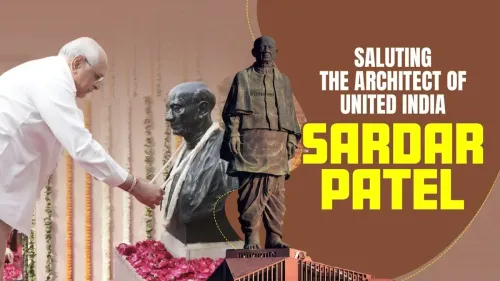
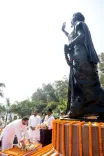
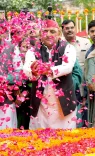
31 October was designated Rashtriya Ekta Diwas (National Unity Day) in 2014 to mark Patel's birth anniversary and institutionalise national reflection on integration. Each year the day brings the 'Run for Unity' across Indian cities and official ceremonies at the Statue of Unity in Kevadia, Gujarat — the world's tallest statue, built in Patel's honour — where serving ministers and officials pay tribute.
Shah's post slots into a consistent pattern: senior BJP leaders invoking Patel on this date to frame the ruling party's own commitment to sovereignty, internal cohesion and a strong central state as a continuation of the Iron Man's legacy. The messaging is deliberate — Patel's non-partisan stature as a national unifier gives the tribute resonance well beyond any single political constituency.
The verdict history delivered
The Home Minister's closing line — that India 'stands tall with pride before the world' — lands as both a vindication and a provocation. Eighty-plus years after those early predictions of collapse, India is the world's most populous nation, the fifth-largest economy, and a permanent voice in global forums. The political pundits of 1947 got the big call spectacularly wrong. Sardar Patel, working under conditions of extraordinary uncertainty, got it spectacularly right.
Today, on the anniversary that bears his name, the Iron Man's legacy is less a museum piece than a living political argument — about what holds a diverse, complex nation together, and who gets to claim the credit for keeping it whole.
Point of View
Centralised governance and Hindu-nationalist definitions of national unity. By foregrounding the 'fragmentation predictions' of foreign observers, the messaging implicitly rebuffs contemporary critics who question India's internal cohesion on minority rights or federal autonomy grounds. The Rashtriya Ekta Diwas platform, created under the Modi government in 2014, has institutionalised this framing as an annual political ritual. Over time, it has shifted public memory of Patel from a Congress founding father to a cross-party symbol the BJP most visibly champions.
NationPress
31 Oct 2026
Frequently Asked Questions
What is Rashtriya Ekta Diwas and why is it celebrated on October 31?
Rashtriya Ekta Diwas (National Unity Day) is observed on 31 October every year to mark the birth anniversary of Sardar Vallabhbhai Patel. The day was established in 2014 to honour his role in unifying India's 565 princely states after independence.
What did Amit Shah say about Sardar Patel on 31 October 2026?
Amit Shah posted in Hindi on X stating that political pundits worldwide had predicted India would fall apart after independence, but Sardar Patel proved every such apprehension wrong — and that India today stands with pride before the world.
How many princely states did Sardar Patel integrate into India?
Sardar Patel oversaw the accession of 565 princely states into the Indian Union, primarily between 1947 and 1949 , using diplomacy, political persuasion and, in some cases, limited force.
Where is the Statue of Unity and why is it significant on this day?
The Statue of Unity is located in Kevadia, Gujarat , and is the world's tallest statue, built in honour of Sardar Patel. It serves as the focal point for official Rashtriya Ekta Diwas ceremonies each year on 31 October .
Why do BJP leaders regularly invoke Sardar Patel on National Unity Day?
The BJP uses Patel's legacy to reinforce themes of national sovereignty, internal cohesion and a strong central state. His non-partisan stature as the architect of India's territorial unification gives the tribute broad resonance beyond the party's own base.