SEBI warns PC Jeweller MD Balram Garg over UPSI database lapse

Synopsis
SEBI has formally warned PC Jeweller's MD Balram Garg and company secretary Vijay Panwar for a paperwork failure — not maintaining the mandatory digital log of who received sensitive quarterly data before it went public. No penalty, no trading violation, but the action signals that SEBI is watching documentation compliance as closely as trading behaviour.
Key Takeaways
SEBI issued administrative warning letters to PC Jeweller MD Balram Garg and Company Secretary Vijay Panwar on 30 October 2026 .
The lapse: failure to maintain a structured digital database for UPSI shared in connection with the June 2025 quarterly business update disclosed on 3 July 2025 .
The action is administrative and carries no financial penalty , with no impact on the company's financials or operations.
The trading window for designated persons was closed from 1 July 2025 to 3 August 2025 , covering the results declared on 1 August 2025 .
SEBI's insider trading regulations require listed firms to log all persons with whom UPSI is shared, forming an audit trail for the regulator.
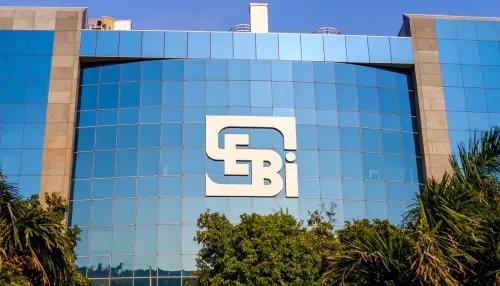
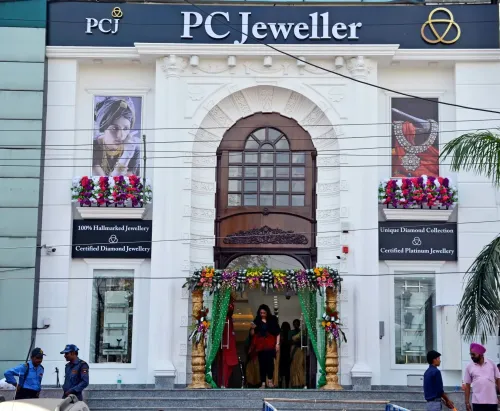
The Securities and Exchange Board of India (SEBI) has issued administrative warning letters to PC Jeweller Ltd promoter and Managing Director Balram Garg and Company Secretary and Compliance Officer Vijay Panwar for failing to maintain a structured digital database linked to unpublished price sensitive information (UPSI). The warning, issued on 30 October 2026, relates to a business update for the quarter ended 30 June 2025 that was disclosed to stock exchanges on 3 July 2025.
What the Lapse Involved
Under SEBI's insider trading prevention framework, listed companies are required to maintain a structured digital database recording the details of all persons with whom UPSI is shared. According to the regulator, PC Jeweller failed to comply with this requirement in connection with its quarterly business update for the June 2025 quarter. The database is a core transparency mechanism designed to prevent market abuse and ensure traceability of sensitive disclosures.
Notably, the lapse was confined to record-keeping. PC Jeweller clarified that substantive safeguards against insider trading were in place during the relevant period — the trading window for designated persons and their immediate relatives remained closed from 1 July 2025 until 3 August 2025, two days after the June-quarter financial results were declared on 1 August 2025.
Nature of SEBI's Action
The market regulator's action is administrative in nature and does not carry any financial penalty, the company stated in a regulatory filing. PC Jeweller emphasised that the warning will have no bearing on its financials, day-to-day operations, or broader business activities. Administrative warnings from SEBI typically serve as formal cautionary signals rather than punitive orders, though repeated lapses can invite stronger enforcement action.
Regulatory Context
SEBI's structured digital database requirement stems from the SEBI (Prohibition of Insider Trading) Regulations, 2015, which were tightened in subsequent amendments to improve audit trails around UPSI. The database must capture, among other details, the names and permanent account numbers of individuals who received sensitive information before it was made public. This is the regulator's primary tool for reconstructing information flows when suspicious trading patterns are detected.
This comes amid SEBI's broader push to strengthen compliance culture among listed entities, particularly mid-cap firms where documentation practices have historically lagged larger blue-chip companies. The action against PC Jeweller — a New Delhi-headquartered jewellery retailer — underscores that procedural lapses, even without evidence of actual insider trading, attract regulatory scrutiny.
Company's Position
PC Jeweller stated that it has taken note of the warning letters and reiterated that the trading window closure and other preventive controls were operative throughout the UPSI period. The company did not indicate whether it intends to formally respond to or contest the administrative warnings. Going forward, listed entities in the jewellery and retail sectors may face heightened scrutiny over their UPSI database maintenance practices as SEBI intensifies compliance reviews.
Point of View
Without relying on the company's own account. Mid-cap listed firms routinely treat documentation as a box-ticking exercise; this warning suggests the regulator disagrees. If SEBI begins systematically reviewing UPSI databases across smaller listed entities, a wave of similar administrative actions could follow.
NationPress
31 Oct 2026
Frequently Asked Questions
Why did SEBI issue a warning to PC Jeweller's MD and company secretary?
SEBI issued administrative warning letters to PC Jeweller MD Balram Garg and Company Secretary Vijay Panwar because the company failed to maintain a structured digital database recording who received unpublished price sensitive information (UPSI) related to its June 2025 quarterly business update. The disclosure was made to stock exchanges on 3 July 2025.
What is a structured digital database under SEBI rules?
Under SEBI's Prohibition of Insider Trading Regulations, every listed company must maintain a digital log capturing the names and identifiers of all persons with whom UPSI is shared before it becomes public. This database serves as an audit trail that the regulator can examine if suspicious trading activity is detected.
Does the SEBI warning carry any financial penalty for PC Jeweller?
No. The action is administrative in nature and does not impose any financial penalty on the company or the individuals named. PC Jeweller has confirmed the warning will have no impact on its financials, operations, or other business activities.
Were insider trading safeguards in place at PC Jeweller during the relevant period?
Yes, according to PC Jeweller. The trading window for designated persons and their immediate relatives was closed from 1 July 2025 until 3 August 2025 — two days after the June-quarter financial results were announced on 1 August 2025. The company maintains that substantive anti-insider-trading controls were operative even though the database was not maintained.
What happens next after an administrative warning from SEBI?
An administrative warning is a formal cautionary measure and does not by itself trigger further proceedings. However, repeated or unresolved compliance lapses can escalate to show-cause notices, adjudication proceedings, or monetary penalties. PC Jeweller has not indicated whether it plans to formally respond to the warnings.