CM Fadnavis Performs Dhwaja Stambh Puja for Nashik Kumbh 2027
Synopsis
Maharashtra CM Devendra Fadnavis performed the Pavitra Dhwaja Stambh puja at Goda Ghat, Trimbakeshwar on 31 October 2026, formally launching preparations for the Nashik-Trimbakeshwar Simhastha Mahakumbh Mela 2027 — the 12-yearly Kumbh cycle event expected to draw tens of millions of pilgrims to the Godavari's sacred banks.
Key Takeaways
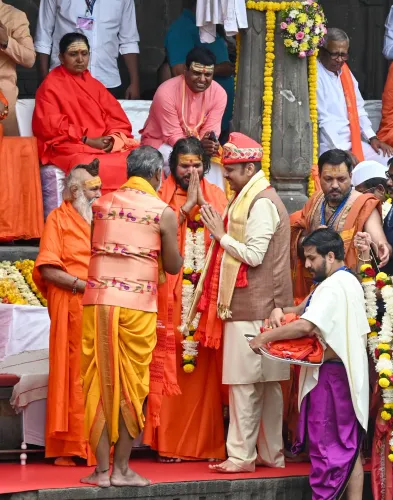
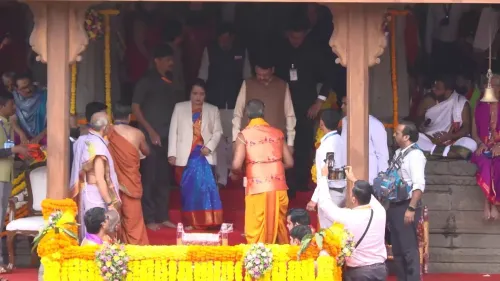
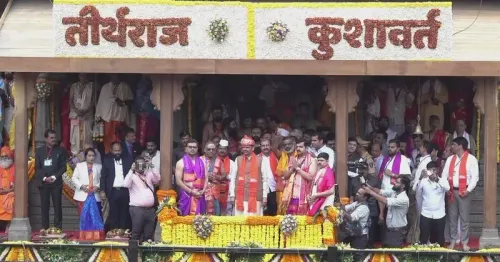
CM Devendra Fadnavis personally performed the Pavitra Dhwaja Stambh puja at Goda Ghat, Trimbakeshwar on 31 October 2026 .
The ceremony marks the formal ceremonial launch of preparations for the Nashik-Trimbakeshwar Simhastha Mahakumbh Mela 2027 .
The Simhastha Kumbh Mela at Nashik-Trimbakeshwar occurs once every 12 years ; the previous edition was held in 2015 .
Two distinct venues — Goda Ghat on the Godavari in Nashik and the Jyotirlinga temple town of Trimbakeshwar — simultaneously host pilgrims during the mela.
The Nashik-Trimbakeshwar Kumbh Mela Authority (NTKMA) is the nodal body coordinating state-level arrangements.
State budget allocations, infrastructure tenders and akhara coordination are the key milestones to watch ahead of 2027.
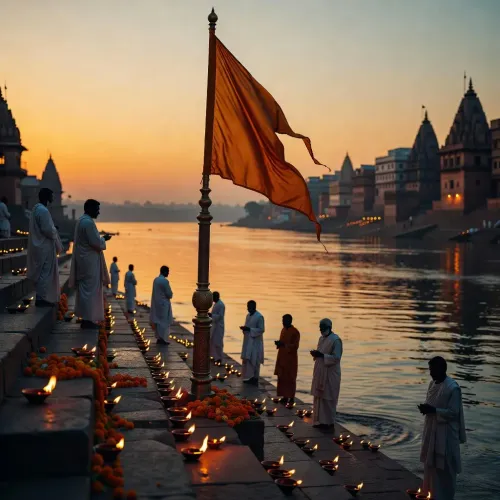
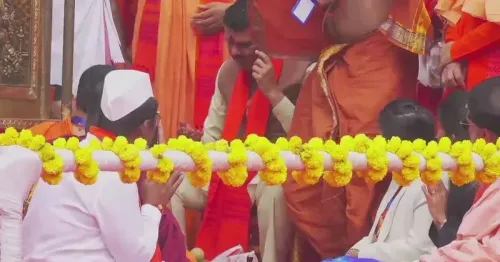
A saffron flag rose over Goda Ghat, Trimbakeshwar on 31 October 2026, and with it, the formal countdown to one of India's most ancient spiritual gatherings began. Maharashtra Chief Minister Devendra Fadnavis performed the puja of the Pavitra Dhwaja Stambh — the sacred flagpole — marking the ceremonial inauguration of preparations for the Nashik-Trimbakeshwar Simhastha Mahakumbh Mela 2027.
What the Dhwaja Stambh puja signals
The ritual hoisting of the Dharmadhwaja is not merely symbolic. In the Kumbh tradition, it is the formal declaration that the sacred space is consecrated and that the mela's spiritual machinery has been set in motion. CM Fadnavis described the atmosphere at Goda Ghat as filled with 'मंत्रोच्चारांचा मंगलनाद' — the auspicious resonance of sacred chants — and offered prayers to Bhagwan Shri Trimbakeshwar Mahadev for the well-being of all devotees and the successful conduct of the mela. 'May the Dharmadhwaja inspire devotion among countless devotees,' he wrote.
Nashik-Trimbakeshwar's place in the Kumbh cycle
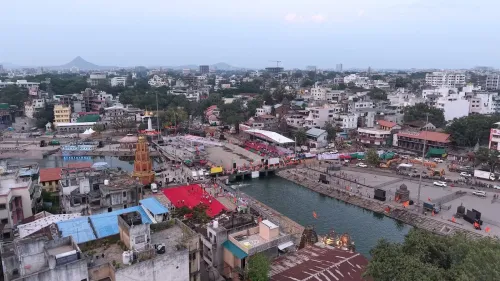
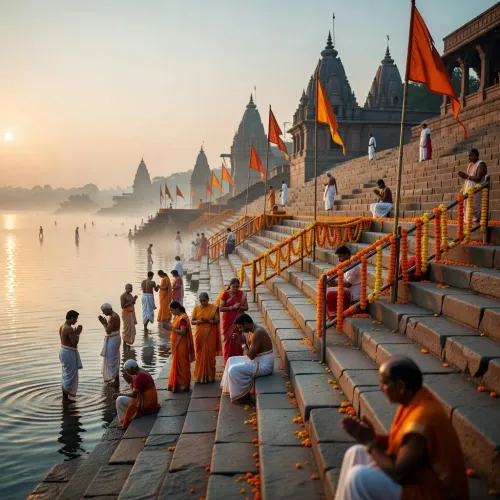
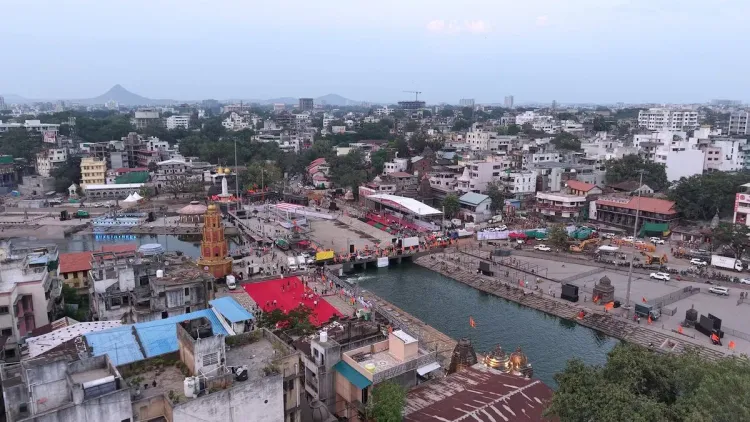
The Simhastha Kumbh Mela rotates among four sacred sites — Prayagraj, Haridwar, Ujjain and Nashik-Trimbakeshwar — on a 12-year cycle. Nashik's edition is unique: the main bathing ghats on the Godavari river in Nashik city and the ancient Jyotirlinga temple town of Trimbakeshwar, roughly 28 kilometres away, both serve as simultaneous venues, drawing pilgrims to two distinct sacred axes. The last Nashik Simhastha was held in 2015, coordinated with significant state-level infrastructure deployment.
Millions of pilgrims, saints from across the akharas, and seers converge on the Godavari's banks during the Simhastha — making crowd management, sanitation, and temporary infrastructure among the largest logistical challenges any state government faces. Maharashtra administrations have historically treated the Nashik edition as both a religious and administrative priority of the highest order.
The road from flagpole to mela: what the state must now deliver
With the Dhwaja Stambh puja complete, the clock is running. State budget allocations, infrastructure tenders, coordination between the Maharashtra government and various akharas, and sanitation planning will now move to the foreground. The Nashik-Trimbakeshwar Kumbh Mela Authority (NTKMA), tagged in CM Fadnavis's post, is the nodal body overseeing these arrangements. The scale of the 2027 event — expected to draw tens of millions of pilgrims — means that the groundwork laid in the months immediately following this ceremony will define the mela's success.
For CM Fadnavis, the optics are equally deliberate: leading the Dhwaja Stambh puja personally places the state government's commitment to the event on public record, more than a year before the first major bathing date. Har Har Mahadev — the closing invocation in his post — is both a devotional salutation and a signal that the state's highest office is invested in the outcome.
The Dharmadhwaja is up. Now Maharashtra has to build everything beneath it.
Point of View
Placing the BJP-led Maharashtra government visibly at the centre of one of Hinduism's most attended events. The Nashik Simhastha has historically been a platform where state governments demonstrate administrative competence to a massive, multi-state audience of pilgrims. With the 2025 Prayagraj Mahakumbh having set a high benchmark for scale and organisation, Maharashtra faces implicit pressure to match or exceed that standard. How Fadnavis translates this ceremonial commitment into budget allocations and infrastructure delivery over the next year will be the real measure of the government's intent.
NationPress
31 Oct 2026
Frequently Asked Questions
When is the Nashik-Trimbakeshwar Simhastha Kumbh Mela 2027?
The Nashik-Trimbakeshwar Simhastha Mahakumbh Mela is scheduled for 2027. Exact bathing dates are determined by astrological calculations and will be announced by the Nashik-Trimbakeshwar Kumbh Mela Authority (NTKMA) closer to the event.
What is the Dhwaja Stambh puja at a Kumbh Mela?
The Dhwaja Stambh puja is the ritual consecration and hoisting of a sacred flagpole at the mela site. It marks the formal spiritual inauguration of the Kumbh Mela's preparatory phase and signals that the sacred space is officially consecrated.
Where is the Nashik Kumbh Mela held?
The Nashik Simhastha Kumbh Mela is held at two simultaneous venues: the ghats of the Godavari river in Nashik city (primarily Goda Ghat) and the ancient Jyotirlinga temple town of Trimbakeshwar, approximately 28 kilometres from Nashik.
How often does the Nashik Kumbh Mela happen?
The Nashik-Trimbakeshwar Simhastha Kumbh Mela is held once every 12 years. The last edition was in 2015, making 2027 the next scheduled occurrence.