Anurag Thakur Champions Fit India Movement, Sports Infrastructure
Synopsis
BJP MP Anurag Thakur has backed PM Modi's Fit India Movement, crediting seven years of rising sports budgets and better infrastructure for India's growing global standing as a sports destination and youth fitness champion.
Key Takeaways
BJP MP Anurag Thakur posted on 18 October 2026 praising the Fit India Movement and India's sports infrastructure progress.
The Fit India Movement was launched by PM Modi on 29 August 2019 to promote mass fitness and healthy lifestyles.
The Khelo India programme , initiated in 2017 , complements Fit India by developing grassroots sports talent.
Thakur argues that sport keeps youth away from substance abuse by building discipline and team spirit.
The central government has raised the Sports Ministry's budget allocation consistently since 2014 .
Thakur claims global sports bodies now want to host major events in India, citing improved infrastructure.
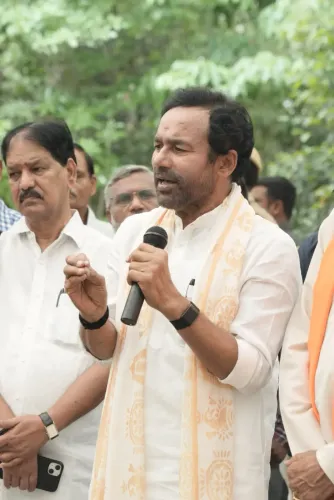
Seven years after Prime Minister Narendra Modi launched the Fit India Movement, one of its most prominent political champions is amplifying the message — and pointing to a bigger prize. BJP MP Anurag Thakur, the former Union Minister of Youth Affairs and Sports, took to X on Sunday, 18 October 2026, to argue that India's sharpened sports ambition is now catching the world's eye.
Translating from Hindi, Thakur wrote that 'Fit India muhim' (the Fit India campaign) launched under PM Modi has 'raised fitness awareness across the country and inspired youth to adopt a healthy lifestyle.' He further stated that sport connects young people to discipline, team spirit, and positive thinking, and plays 'an important role in keeping them away from evils like substance abuse.'Fit India at Seven: From a Stadium Launch to a National Habit
The Fit India Movement was formally launched by Prime Minister Modi on 29 August 2019 — National Sports Day — at a ceremony in New Delhi. The initiative was designed to move physical activity from elite sports arenas into everyday Indian life: schools, workplaces, villages. Thakur, who served as the cabinet minister responsible for sports policy for several years, was instrumental in channelling that energy into structured programmes.
The movement's pairing with the Khelo India programme — initiated in 2017 to develop grassroots sports talent — gave the policy framework two interlocking gears: mass participation through Fit India, and competitive excellence through Khelo India. Together, they form the backbone of the central government's sports strategy since 2014.
Budget, Infrastructure, and India's Growing Global Footprint
Thakur's post underlines a recurring government narrative: that rising sports budgets and improved infrastructure are translating into real international credibility. 'Global sports bodies want to host events in India itself,' he wrote — a claim that reflects India's recent track record of staging major international competitions and its ambitions in global sports governance.
The central government has incrementally raised the Sports Ministry's allocation over successive Union Budgets since 2014, funding new stadiums, training academies, and athlete support systems. The next Budget cycle will be a key test of whether those allocations continue to climb — and whether any formal bids for marquee global events are formalised.
Sport as a Social Vaccine Against Drug Abuse
Perhaps the sharpest thread in Thakur's message is the link between sport and substance abuse prevention. For a politician representing Hamirpur, Himachal Pradesh — a hill state where drug abuse among youth has been a documented social concern — the argument carries specific local weight. Connecting playgrounds to public health is not just rhetoric; it is a policy rationale for sustained sports investment in states beyond the traditional sporting powerhouses.
As India's Olympic and international medal tallies grow alongside its hosting ambitions, the political argument for sport-as-nation-building only gets louder. The real question now is whether the next Budget converts that argument into rupees — and whether a formal global-event bid turns aspiration into a date on the calendar.
Point of View
He broadens its appeal beyond fitness enthusiasts to parents and community leaders worried about youth welfare. The emphasis on global sports hosting signals that the BJP is building a long-term 'soft power through sport' plank, particularly useful ahead of Budget season when sports ministry allocations will face scrutiny. For Thakur personally — a former sports minister with a Himachal Pradesh base where drug abuse is a live issue — the framing is both ideologically consistent and politically strategic. The real test of these claims arrives when Budget figures and formal international event bids are put on the table.
NationPress
18 Oct 2026
Frequently Asked Questions
What is the Fit India Movement?
The Fit India Movement is a national initiative launched by PM Narendra Modi on 29 August 2019 to promote physical fitness, healthy lifestyles, and mass participation in sports across India.
What did Anurag Thakur say about India's sports infrastructure?
Thakur stated that improved sports infrastructure and facilities under the Modi government have drawn global attention, with international sports bodies keen to host major events in India.
What is the Khelo India programme?
Khelo India is a central government programme initiated in 2017 to identify and nurture grassroots sports talent across India, complementing the broader Fit India Movement.
How does sport help fight drug abuse among youth, according to Thakur?
Thakur argued that sport instils discipline, team spirit, and positive thinking in young people, playing an important role in keeping them away from substance abuse and other social evils.
Has India increased its sports budget under the Modi government?
The central government has incrementally raised the Sports Ministry's budget allocation since 2014, funding stadiums, training academies, and athlete support — though specific figures were not cited in Thakur's post.