Anurag Thakur Marks 12 Years of Modi Govt's Youth Schemes
Synopsis
BJP MP Anurag Thakur on June 13, 2026 marked twelve years of the Modi government by crediting youth-focused policies — Skill India, Startup India, Khelo India and NEP 2020 — with empowering India's young generation across sectors under the #12YearsOfYuvaShakti banner.
Key Takeaways
BJP MP Anurag Thakur posted on June 13, 2026 marking 12 years of the Modi government with a youth-welfare focus.
The post used the hashtag #12YearsOfYuvaShakti and was accompanied by a video.
Skill India (2015) targeted training for over 400 million people through the PMKVY certification programme.
Startup India (2016) provided tax relief and funding access for young entrepreneurs.
Khelo India (revived 2017) channelled annual budget funds into grassroots sports and youth talent identification.
The National Education Policy 2020 introduced vocational education from Class 6 to improve youth employability.
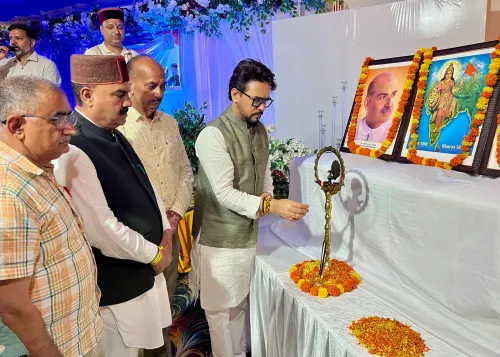
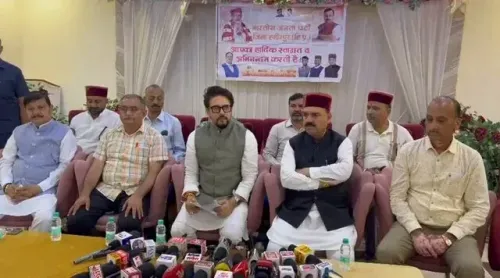
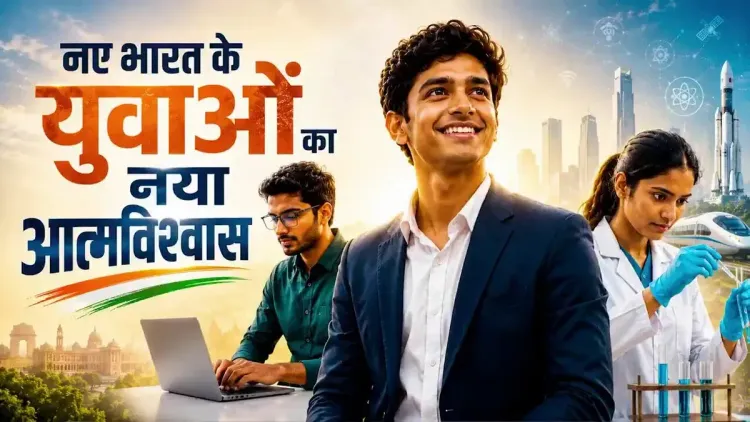
BJP MP Anurag Thakur, former Union Minister of Youth Affairs and Sports, on Saturday, June 13, 2026, marked twelve years of the Modi government by highlighting its youth-focused policies and welfare schemes, saying India's youth are writing a new story in every field.
Context
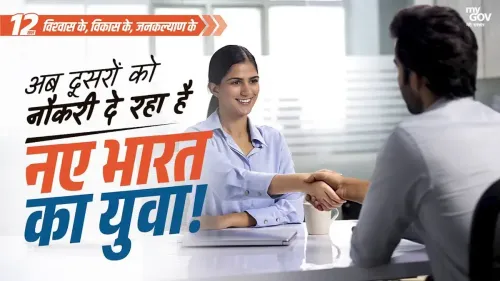
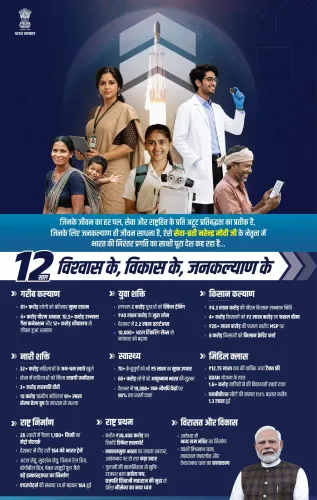
Thakur posted in Hindi: 'मोदी सरकार के 12 साल, युवाशक्ति के उत्थान के, राष्ट्रकल्याण के' ('12 years of the Modi government — of the rise of youth power, of national welfare'), adding that youth-oriented policies and welfare schemes have enabled India's young generation to 'write a new story of New India in every sector.' The post was accompanied by a video and carried the hashtag #12YearsOfYuvaShakti.
Thakur, who represented the government at the ministry most directly responsible for youth programmes, has been a consistent public voice on schemes aimed at the 15-35 age group. His post coincides with the anniversary period of the National Democratic Alliance government first sworn in on May 26, 2014.
Policy Backdrop
The twelve-year period Thakur references has seen a cluster of centrally-sponsored programmes targeting youth employment, skill development and sports. Skill India, launched in 2015, set an ambition to train over 400 million people through its flagship component, the Pradhan Mantri Kaushal Vikas Yojana (PMKVY), which provides industry-relevant certification to school and college dropouts.
Startup India, announced in 2016, offered young entrepreneurs tax benefits, simplified compliance and access to funding support. The Khelo India programme, revived in 2017, directed annual budget allocations toward grassroots sports and talent identification. The National Education Policy 2020 further embedded vocational education from Class 6 onward and introduced multiple entry-exit options to improve graduate employability.
These initiatives built on the National Youth Policy 2014, which replaced the 2003 version and set structured targets for education, skill development and civic engagement across the youth demographic.
Stakeholders and Impact
The programmes cited in the broader anniversary narrative primarily affect young job-seekers, aspiring entrepreneurs and student athletes across all states. Legacy institutions such as Nehru Yuva Kendras have been retained alongside newer centrally-sponsored missions, creating a layered delivery architecture.
State-level sports bodies and vocational training centres are among the key implementing partners for Khelo India and PMKVY respectively. The framing of youth as a 'demographic dividend' — a phrase central to the government's communication since 2014 — has shaped budget priorities and ministerial mandates across multiple departments.
What's Next
Analysts and opposition voices are likely to test the anniversary claims against the next release of Periodic Labour Force Survey data, which tracks youth unemployment rates independently of government scheme enrolment figures. Any supplementary budget allocations for PMKVY or Khelo India in the 2026-27 fiscal year will be closely watched as a measure of continued political commitment to the youth agenda.
For Thakur personally, the post reinforces his positioning as a senior BJP voice on youth and sports policy ahead of any potential cabinet reshuffle or state-level electoral cycle in Himachal Pradesh.
Point of View
The party signals continuity of purpose to a voter cohort that was a teenager when the Modi government first took office and is now entering the workforce. The post also quietly reasserts Thakur's own ministerial legacy at a time when political positioning ahead of any cabinet or electoral changes remains relevant. The real test of the claims will come from independent labour-force data, which separates scheme enrolment from actual employment outcomes.
NationPress
28 Oct 2026
Frequently Asked Questions
What is #12YearsOfYuvaShakti?
#12YearsOfYuvaShakti is a BJP hashtag used to mark twelve years of the Modi government, highlighting youth-focused policies such as Skill India, Startup India and Khelo India that were launched between 2014 and 2020.
What did Anurag Thakur say about the Modi government's youth schemes?
Thakur said that youth-oriented policies and welfare schemes of the Modi government have enabled India's young generation to write a new story in every sector, framing it as both a rise of youth power and an act of national welfare.
What is Skill India and how does it help youth?
Skill India is an umbrella programme launched in 2015 that aims to train over 400 million people. Its flagship component, PMKVY, provides industry-relevant certification to school and college dropouts, improving their employability.
What is the Khelo India programme?
Khelo India is a centrally-sponsored sports programme revived in 2017 that allocates annual budget funds for grassroots sports infrastructure and identification of young athletic talent across India.
Who is Anurag Thakur?
Anurag Thakur is a BJP Lok Sabha MP from Hamirpur, Himachal Pradesh, and a former Union Minister who held charge of both the Ministry of Youth Affairs and Sports and the Ministry of Information and Broadcasting.