Anurag Thakur Hails Modi Govt's 12-Year Welfare Record
Synopsis
BJP MP Anurag Thakur marked 12 years of PM Modi's government on June 7, 2026, highlighting five flagship welfare schemes — PM Awas Yojana, Ujjwala Yojana, Ayushman Bharat, Jal Jeevan Mission, and PM Kisan — as milestones in development and public welfare.
Key Takeaways
Anurag Thakur , BJP Lok Sabha MP from Hamirpur , posted on June 7, 2026 marking 12 years of the Modi government.
Pradhan Mantri Awas Yojana (launched 2015 ) aims to provide pucca houses to crores of poor families.
Ayushman Bharat (launched 2018 ) offers health insurance coverage of up to Rs 5 lakh per family per year.
PM Ujjwala Yojana (launched 2016 ) extended LPG connections to BPL households, targeting women.
Jal Jeevan Mission (launched 2019 ) works to deliver piped tap water to every rural household across India.
PM Kisan Samman Nidhi (launched 2019 ) provides direct annual cash support to farmers via Aadhaar-linked transfers.
BJP MP Anurag Thakur on Sunday, June 7, 2026, took to X to mark 12 years of the Narendra Modi-led government, crediting the administration with setting new benchmarks in development, good governance, and public welfare through a series of flagship schemes that he said have transformed the lives of crores of Indians.
Context
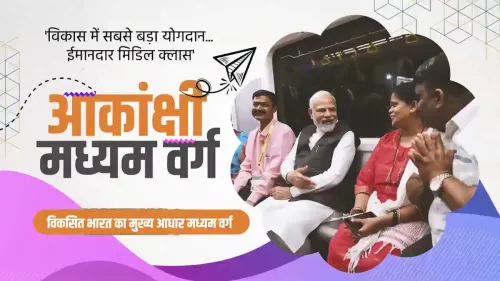
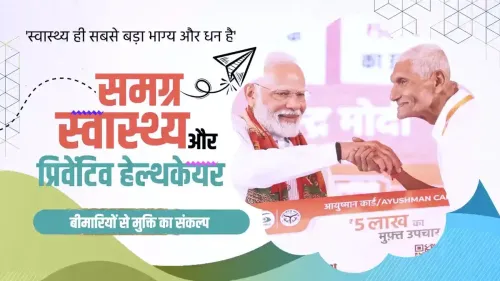
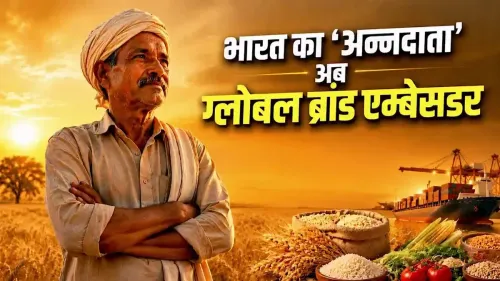
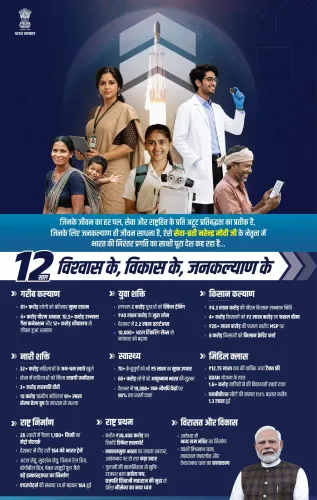
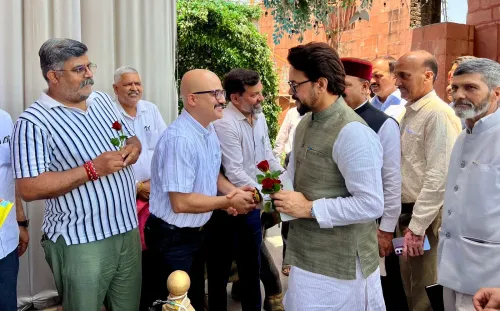
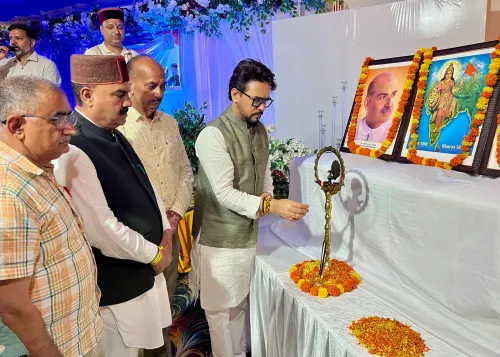
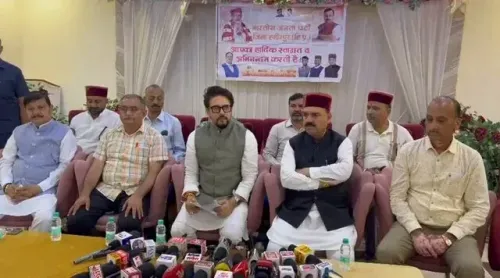
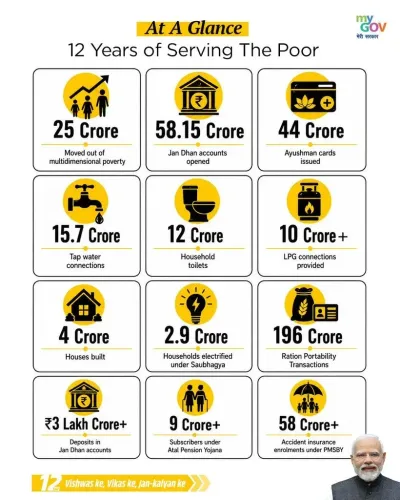
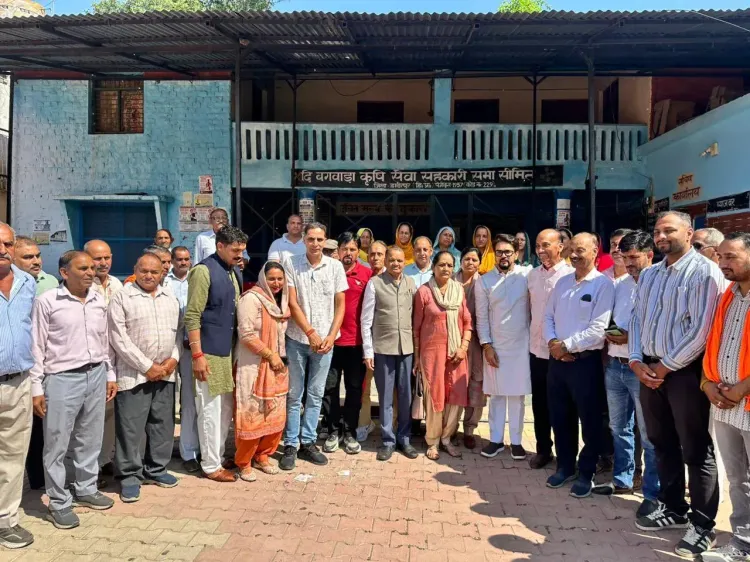
Thakur, the Lok Sabha MP from Hamirpur, Himachal Pradesh and a former Union Minister of Information & Broadcasting and Youth Affairs & Sports, posted in Hindi, stating: 'विगत 12 वर्षों में आदरणीय प्रधानमंत्री श्री नरेन्द्र मोदी जी के नेतृत्व में भारत ने विकास, सुशासन और जनकल्याण के क्षेत्र में नए कीर्तिमान स्थापित किए हैं' ('In the past 12 years, under the leadership of respected Prime Minister Narendra Modi, India has set new records in the fields of development, good governance, and public welfare'). The post was accompanied by four images highlighting scheme beneficiaries and outreach.
The post arrives as the BJP marks a dozen years since Narendra Modi assumed office as Prime Minister in May 2014, a period the party has used to consolidate its political messaging around measurable welfare delivery.
Policy Backdrop
Thakur specifically named five central government schemes. Pradhan Mantri Awas Yojana, launched in 2015, aims to provide pucca houses to rural and urban poor families. Pradhan Mantri Ujjwala Yojana, introduced in 2016, extended LPG connections to below-poverty-line households — particularly women — replacing an earlier rural LPG distribution programme.
Ayushman Bharat, unveiled in 2018 as India's largest government-funded health insurance initiative, offers coverage of up to Rs 5 lakh per family annually. Jal Jeevan Mission, approved in 2019 building on the earlier National Rural Drinking Water Programme, targets piped tap-water connections to every rural household. PM Kisan Samman Nidhi, also introduced in 2019, provides direct annual income support to farmers through Aadhaar-linked transfers.
Collectively, these programmes reflect a broader policy shift since 2014 toward centrally sponsored welfare delivered via direct benefit transfers, targeting rural households, women, small farmers, and BPL families.
Stakeholders and Impact
The schemes collectively address overlapping beneficiary groups: rural households seeking housing and clean water, women from low-income families dependent on clean cooking fuel, uninsured families facing catastrophic health expenditure, and small and marginal farmers needing income stability. Implementation has required ongoing coordination between Union ministries and state governments, with periodic revisions to beneficiary lists and funding norms.
Thakur stated that these 'historic decisions and schemes have brought positive change in the lives of crores of people across the country,' framing the anniversary as a moment to consolidate the government's welfare narrative ahead of future electoral cycles.
What's Next
Attention will now turn to Union Budget 2027-28 allocations and revised physical targets for each of these schemes, which will indicate whether the government plans to expand coverage or consolidate existing gains. Performance audits examining coverage depth and leakage in direct benefit transfer pipelines are also expected to shape the policy conversation in the months ahead.
Point of View
Arriving precisely at the 12-year mark of Modi's premiership and serving as a template for BJP leaders to consolidate the government's welfare narrative with a national audience. By anchoring praise around five tangible, named schemes rather than abstract governance claims, the post reflects the party's broader strategy of converting policy delivery into electoral capital. The framing — development, good governance, public welfare — mirrors the BJP's standard trifecta pitch ahead of state and national electoral cycles. Scrutiny of actual coverage numbers and audit findings on these schemes, however, remains a live counter-narrative that opposition parties and independent reviewers are likely to press.
NationPress
24 Oct 2026
Frequently Asked Questions
What did Anurag Thakur say about Modi government's 12 years?
Anurag Thakur said that in the past 12 years under PM Narendra Modi's leadership, India has set new benchmarks in development, good governance, and public welfare, specifically crediting five flagship schemes: PM Awas Yojana, Ujjwala Yojana, Ayushman Bharat, Jal Jeevan Mission, and PM Kisan Samman Nidhi.
What is Ayushman Bharat and how much health cover does it provide?
Ayushman Bharat is India's largest government-funded health insurance programme, launched in 2018. It provides eligible families with health coverage of up to Rs 5 lakh per year for hospitalisation and treatment expenses.
When was PM Ujjwala Yojana launched and who does it benefit?
PM Ujjwala Yojana was launched in 2016 to provide free LPG connections to below-poverty-line households, with a particular focus on women, freeing them from dependence on smoky solid-fuel cooking.
What is Jal Jeevan Mission?
Jal Jeevan Mission is a central government programme launched in 2019 with the goal of providing functional tap water connections to every rural household in India, building on the earlier National Rural Drinking Water Programme.
How much money do farmers get under PM Kisan Samman Nidhi?
PM Kisan Samman Nidhi, introduced in 2019, provides direct annual financial assistance to eligible farmers through Aadhaar-linked bank transfers; the scheme is designed to supplement farm income and reduce financial stress on small and marginal farmers.