Anurag Thakur Hails Modi Govt's 12 Years of Farm Welfare
Synopsis
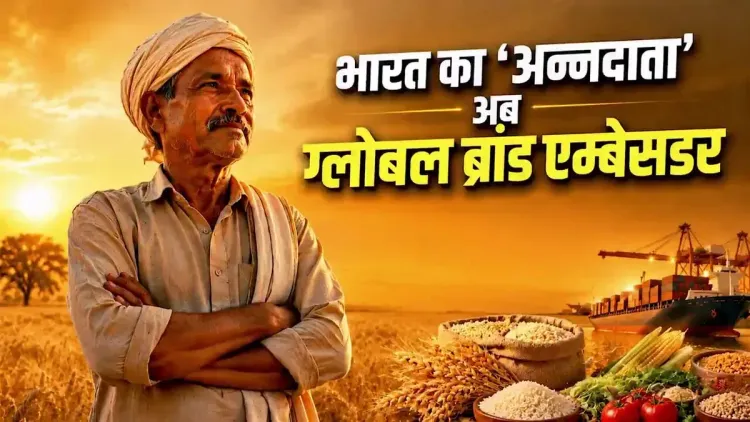
BJP MP Anurag Thakur on June 11, 2026 marked 12 years of the Modi government's farm outreach, crediting PM Modi with doing more for farmers than any government in 70 years. The post anchors BJP messaging on PM-KISAN and broader direct-benefit schemes as the party highlights its agricultural welfare record.
Key Takeaways
BJP MP Anurag Thakur posted on June 11, 2026 under #12YearsOfKisanSamriddhi , asserting the Modi government has prioritised farmer welfare above all predecessors.
Thakur claimed PM Narendra Modi has taken more steps for farmers than any government in the past 70 years .
The government's flagship PM-KISAN scheme, launched in February 2019 , provides ₹6,000 per year in direct transfers to eligible landholding farm families.
Complementary schemes include Pradhan Mantri Fasal Bima Yojana for crop insurance and the eNAM digital marketplace for price discovery.
The government announced a target to double farmers' income by 2022 , a benchmark that remains a reference point in ongoing parliamentary debate.
Upcoming Union Budget allocations for agriculture and any PM-KISAN revision will be the next key test of the government's farm-welfare commitments.
BJP MP Anurag Thakur on Thursday, June 11, 2026, invoked the hashtag #12YearsOfKisanSamriddhi to assert that the Modi government has done more for Indian farmers in the past twelve years than any previous government managed in 70 years — positioning agricultural welfare as the administration's defining priority.
Context
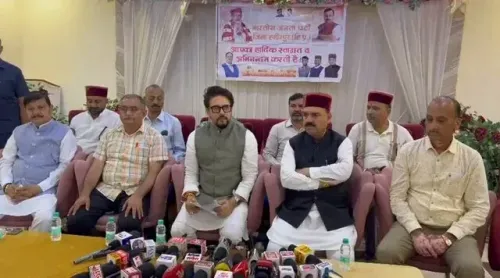
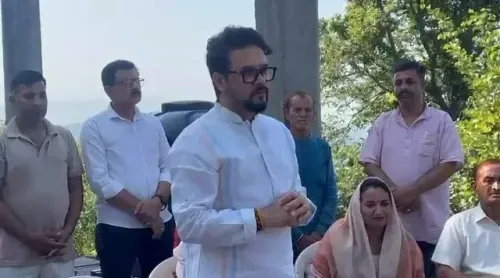
Thakur posted in Hindi, writing: 'अन्नदाता के हितों की रक्षा, मोदी सरकार की प्राथमिकता' ('Protecting the interests of the annadata — the food-giver — is the Modi government's priority'). He credited Prime Minister Narendra Modi with taking every necessary step to ensure the economic empowerment and well-being of farmers, a claim he framed as historically unmatched. The post was accompanied by a video and is part of coordinated BJP messaging marking twelve years of the party-led central government's farm outreach.
Policy Backdrop
The central government's flagship farmer-support architecture rests heavily on the Pradhan Mantri Kisan Samman Nidhi (PM-KISAN), launched in February 2019, which provides an annual direct benefit transfer of ₹6,000 to eligible landholding farm families. The scheme was designed to bypass state-level intermediaries and credit money directly to small and marginal holders. Alongside PM-KISAN, the government expanded crop insurance coverage under Pradhan Mantri Fasal Bima Yojana and invested in digital market linkages through platforms such as eNAM to give farmers broader price discovery. In 2016, the government also stated a target to double farmers' income by 2022, a benchmark that has since drawn both support and scrutiny in parliamentary debate.
Stakeholders and Impact
India's agricultural sector supports the livelihoods of a substantial share of the country's population, making farm-welfare messaging politically significant ahead of any electoral cycle. Small and marginal farmers — who hold less than two hectares — are the primary beneficiaries of direct-transfer schemes and form the core constituency that BJP outreach under the annadata framing seeks to address. Opposition parties have periodically questioned whether income-support transfers translate into structural improvements in farm profitability, input costs, or rural debt relief, keeping the policy debate live in Parliament.
What's Next
Attention will now turn to allocations for agriculture and rural development in the forthcoming Union Budget, where any revision to PM-KISAN transfer amounts or expansion of beneficiary coverage would test the government's stated commitment. Parliamentary discussions on reviewing existing schemes and introducing new instruments for farmer income security are also expected to intensify. Thakur's post signals that the BJP intends to keep the twelve-year farm-welfare record as a central plank of its political communication in the period ahead.
Point of View
A narrative the party has deployed consistently since 2014. The invocation of the word annadata (food-giver) is deliberate: it elevates the farmer from a policy beneficiary to a figure of moral authority, making any critique of the government's record appear to be an attack on the farmer himself. The timing around a symbolic twelve-year milestone suggests coordinated party communication rather than a spontaneous post, pointing to a sustained effort to consolidate rural constituencies. Whether the messaging translates into policy momentum — particularly on PM-KISAN transfer revision or farm-debt relief — will determine its electoral durability.
NationPress
25 Oct 2026
Frequently Asked Questions
What is #12YearsOfKisanSamriddhi that Anurag Thakur posted about?
#12YearsOfKisanSamriddhi is a BJP hashtag marking twelve years of the Modi government's farm-welfare initiatives, covering schemes such as PM-KISAN, Pradhan Mantri Fasal Bima Yojana, and digital market platforms like eNAM.
What is PM-KISAN and how much do farmers receive?
PM-KISAN (Pradhan Mantri Kisan Samman Nidhi) is a central scheme launched in February 2019 that provides ₹6,000 per year in three equal instalments directly to eligible landholding farmer families via direct benefit transfer.
What did Anurag Thakur say about Modi and farmers?
Thakur stated that PM Modi has taken more steps for farmers' interests than any government managed in the past 70 years, framing agricultural welfare as the Modi government's top priority.
Has the Modi government doubled farmers' income?
The government announced a target to double farmers' income by 2022 in 2016; this benchmark has been a subject of ongoing parliamentary debate and scrutiny, and no verified post-2023 data is available to confirm the outcome.
What farm schemes has the Modi government introduced since 2014?
Key measures include PM-KISAN direct income support, the Pradhan Mantri Fasal Bima Yojana crop insurance scheme, and the eNAM digital agricultural marketplace, all aimed at small and marginal landholders.