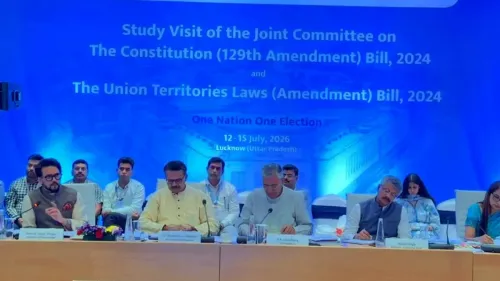
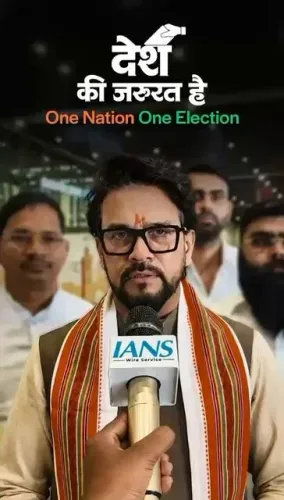
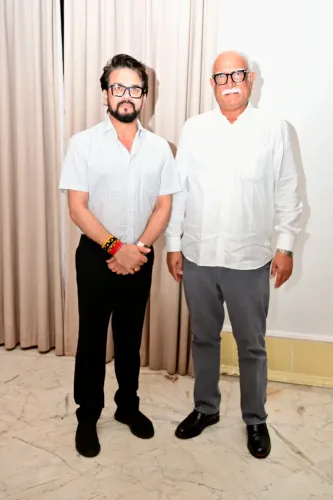
Anurag Thakur-led JPC meets UP Governor on One Nation One Election
Synopsis
BJP MP Anurag Thakur and fellow JPC members met UP Governor Anandiben Patel at Lok Bhawan on 15 July 2026, discussing constitutional amendments, electoral synchronisation, and logistical readiness for simultaneous elections — part of the committee's wider federal outreach.
Key Takeaways
BJP MP Anurag Thakur led a JPC delegation that met UP Governor Anandiben Patel at UP Lok Bhawan on 15 July 2026 .
Discussions covered constitutional amendments , synchronising electoral cycles, cooperative federalism, and logistical readiness for simultaneous elections.
The JPC builds on the Ram Nath Kovind-chaired High-Level Committee constituted in September 2023 to examine simultaneous elections.
The Law Commission of India had recommended simultaneous polls in its August 2018 draft report, citing cost reduction and less policy paralysis.
Uttar Pradesh , India's most populous state, is a critical federal stakeholder in any consensus-building for this constitutional reform.
The JPC must secure a two-thirds parliamentary majority for the required constitutional amendments before the reform can be enacted.
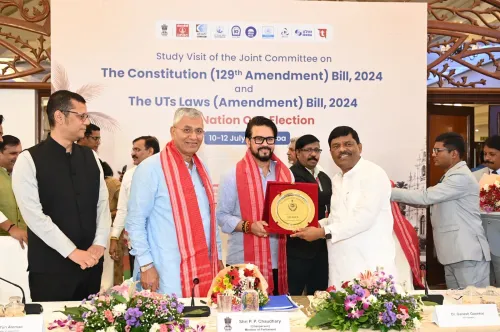
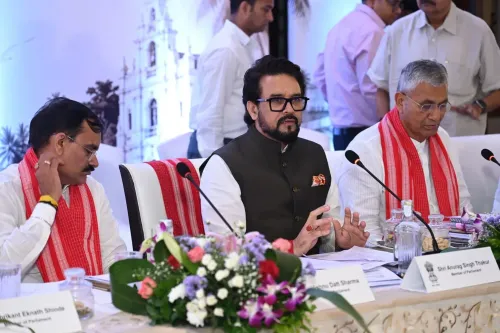
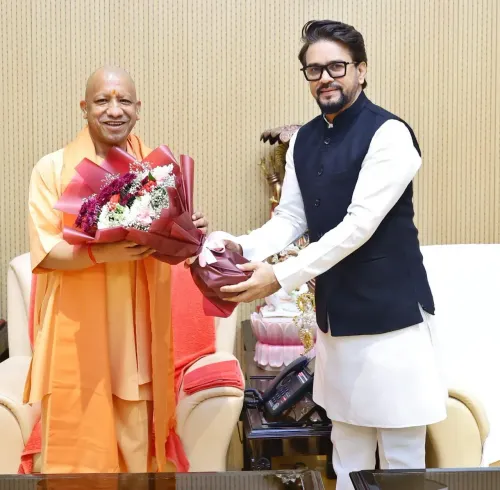
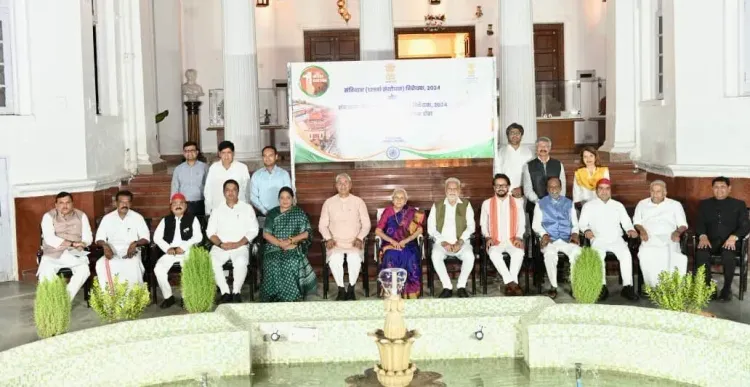
BJP MP Anurag Thakur met Uttar Pradesh Governor Anandiben Patel at UP Lok Bhawan on Wednesday, 15 July 2026, along with fellow members of the Joint Parliamentary Committee (JPC) on One Nation One Election, for a detailed discussion on the roadmap for simultaneous elections across the country.
Context
Thakur described the meeting as 'detailed and fruitful,' saying the committee exchanged views on constitutional amendments, synchronising electoral cycles, strengthening cooperative federalism, and ensuring logistical readiness for the reform. He noted that Governor Patel's 'valuable insights and guidance' would greatly assist the committee's ongoing work.
The visit to Lucknow is part of a broader outreach by the JPC to consult governors and state-level stakeholders — a necessary step given that simultaneous elections would require amendments to multiple constitutional provisions and buy-in from federal units across the country.
Policy Backdrop
The idea of holding Lok Sabha and state assembly elections simultaneously has been a stated governance priority of the BJP-led central government since 2014, premised on reducing expenditure, limiting repeated impositions of the Model Code of Conduct, and minimising what proponents call 'policy paralysis.' The Law Commission of India flagged similar arguments in its August 2018 draft report recommending synchronised polls.
In September 2023, the Union government constituted a High-Level Committee chaired by former President Ram Nath Kovind to examine the feasibility and constitutional requirements of simultaneous elections. The JPC now builds on that committee's groundwork, specifically tasked with scrutinising constitutional amendment bills and mapping a legislative pathway for the reform.
Anandiben Patel, a senior BJP leader who served as Chief Minister of Gujarat before being appointed Governor of Uttar Pradesh — India's most populous state — brings both political and administrative experience to such federal consultations.
Stakeholders and Impact
The reform, if enacted, would directly affect state governments, the Election Commission of India, political parties, and crores of voters whose state elections currently run on independent cycles. Uttar Pradesh, given its size and electoral weight, is a particularly significant voice in any federal consensus-building exercise.
Critics of the proposal — spanning several opposition parties — have raised concerns about the feasibility of synchronisation, the risk of centralising electoral power, and the constitutional complexity of cutting short or extending existing assembly terms. The JPC's consultations are, in part, a response to demands for wider deliberation before any amendment bills are tabled in Parliament.
What's Next
The committee is expected to continue its outreach to other state governors, assemblies, and constitutional experts before finalising its report. The tabling of the JPC report in Parliament and any subsequent Constitution Amendment Bills will be the key milestones to watch. The pace and outcome of these consultations will determine whether the government can build the broad consensus — including a two-thirds majority in both Houses — that such amendments constitutionally require.
Point of View
Meaning the government needs to demonstrate consensus beyond its own ranks. Whether these consultations translate into genuine cross-party alignment, or remain largely symbolic, will define the reform's legislative fate.
NationPress
14 Oct 2026
Frequently Asked Questions
What is the Joint Parliamentary Committee on One Nation One Election?
The Joint Parliamentary Committee (JPC) on One Nation One Election is a parliamentary body examining the constitutional amendments and logistical framework required to hold Lok Sabha and all state assembly elections simultaneously in India.
Why did Anurag Thakur meet UP Governor Anandiben Patel?
BJP MP Anurag Thakur, as part of the JPC on One Nation One Election, met UP Governor Anandiben Patel on 15 July 2026 to discuss the roadmap for simultaneous elections, including constitutional changes, electoral synchronisation, and cooperative federalism.
What is One Nation One Election?
One Nation One Election refers to the proposal to align the election cycles of the Lok Sabha and all state legislative assemblies so that they are held simultaneously, aimed at reducing election expenditure and limiting repeated model code of conduct impositions.
What did the Kovind committee recommend on simultaneous elections?
The High-Level Committee chaired by former President Ram Nath Kovind, constituted in September 2023, examined the feasibility of simultaneous elections and provided recommendations on the constitutional and legislative steps required to implement the reform.
What constitutional changes are needed for One Nation One Election?
Simultaneous elections would require amendments to multiple constitutional provisions governing the terms of state assemblies and the Lok Sabha, necessitating a two-thirds majority in both Houses of Parliament and ratification by a majority of state legislatures.