Anurag Thakur Votes in HP Panchayat Polls Phase 2
Synopsis
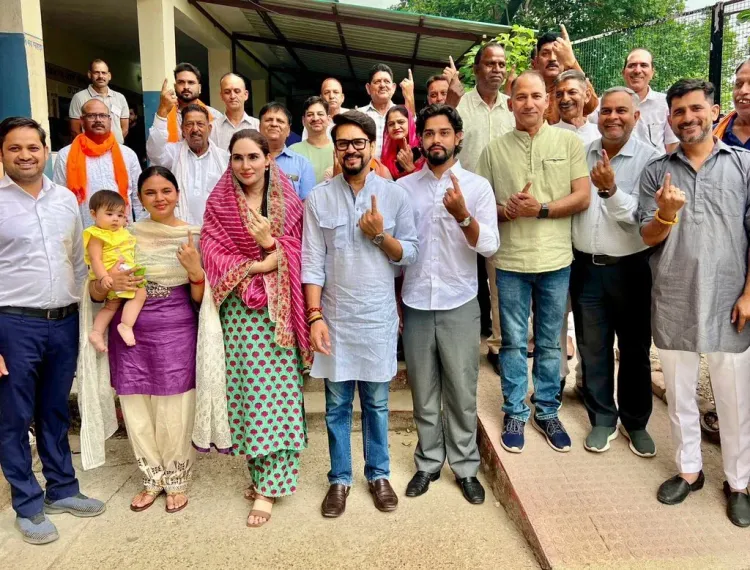
BJP MP Anurag Thakur cast his vote with family at Samirpur village in Hamirpur's Bhoranj constituency during Phase 2 of Himachal Pradesh panchayat elections, urging all voters to exercise their franchise for village development and strong democracy.
Key Takeaways
Anurag Thakur , BJP Lok Sabha MP from Hamirpur , voted with his family during Phase 2 of Himachal Pradesh panchayat elections on 29 May 2026 .
He cast his vote at Samirpur village in the Bhoranj assembly constituency of Hamirpur district.
Thakur appealed to voters to participate in panchayat polls for village development and to elect the right local representatives.
Himachal Pradesh panchayat elections are held under the 73rd Constitutional Amendment (1992) , which mandates five-yearly elections to three-tier Panchayati Raj bodies.
The state's previous full round of panchayat elections was held in 2021 .
Polling is conducted in multiple phases across the state to manage logistics in hilly terrain.
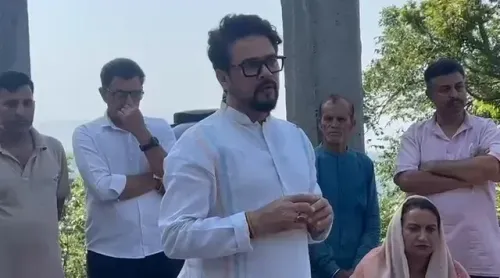
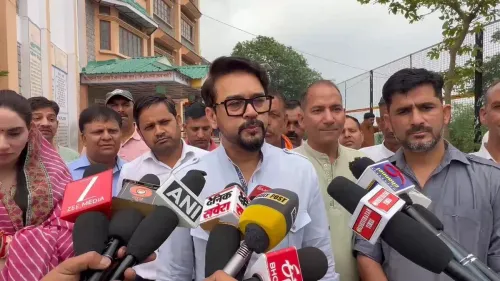
BJP MP Anurag Thakur cast his vote alongside family members at Samirpur village in the Bhoranj assembly constituency of Hamirpur district on Thursday, 29 May 2026, participating in the second phase of Himachal Pradesh panchayat elections. Urging voters to exercise their franchise, the former Union Minister called voting a civic duty essential to strengthening democracy.
Context
Posting in Hindi on X, Thakur wrote: 'लोकतंत्र को सशक्त बनाये रखने के लिए मतदान करना हम सभी का कर्तव्य है' ('It is the duty of all of us to vote in order to keep democracy strong'). He added that he had voted with his family at Samirpur village in the Bhoranj constituency of his home district, Hamirpur, as part of the second phase of polling. He signed off with the slogan 'पहले मतदान, फिर अन्य काम' — 'Vote first, other work later.'
Thakur appealed to residents to use their right to vote for the development of their villages and to elect the right representatives to panchayat bodies.
Policy Backdrop
Panchayat elections in India are mandated under the 73rd Constitutional Amendment of 1992, which granted constitutional status to the three-tier Panchayati Raj system and required states to hold elections every five years to gram panchayats, panchayat samitis, and zila parishads. Himachal Pradesh last held a full round of panchayat elections in 2021, making the current cycle the next due round of local-body polls.
Elections in Himachal Pradesh are conducted in staggered phases to manage the logistical challenges of polling across the state's hilly and remote terrain, with multiple phases spread across different districts and assembly segments.
Stakeholders and Impact
The panchayat polls are the most direct expression of participatory democracy for rural Himachal Pradesh, determining who governs at the village level on issues such as road connectivity, water supply, sanitation, and local infrastructure. For national parties like the BJP, the elections are also a measure of organisational strength and rural outreach ahead of any future state or national electoral cycle.
Senior party figures casting votes publicly — and urging others to do so — is a deliberate signal of the party's commitment to grassroots governance. Thakur, as the sitting Lok Sabha MP from Hamirpur, holds significant influence over voter mobilisation in the constituency.
What's Next
Attention will now turn to final voter-turnout figures and seat-wise results across all three tiers of the Panchayati Raj system once every phase of polling concludes. The performance of candidates backed by different parties at the panchayat level will be closely watched as an early indicator of rural sentiment in Himachal Pradesh. Subsequently, observers will look for government notifications on the devolution of funds and administrative powers to the newly elected panchayat bodies.
Point of View
Signalling the BJP's intent to be seen as invested in village-level governance, not just national politics. In Himachal Pradesh, where the Congress currently holds state power, panchayat results carry weight as a proxy for rural mood. Senior leaders visibly engaging with local-body elections helps the BJP project organisational depth at a time when the party is working to reclaim ground in the hill state. The 'vote first, other work later' slogan also reinforces a civic-duty narrative that transcends party lines, lending the post a broader democratic legitimacy beyond pure electioneering.
NationPress
11 Oct 2026
Frequently Asked Questions
Where did Anurag Thakur vote in the Himachal Pradesh panchayat elections?
Anurag Thakur voted at Samirpur village in the Bhoranj assembly constituency of Hamirpur district , Himachal Pradesh, during the second phase of panchayat polling.
When is Phase 2 of Himachal Pradesh panchayat elections 2026?
Phase 2 of the Himachal Pradesh panchayat elections was held on 29 May 2026 , as indicated by Anurag Thakur's post confirming his vote on that date.
What did Anurag Thakur say about panchayat elections?
Thakur said it is the duty of every citizen to vote to keep democracy strong, and urged voters to exercise their franchise to elect the right representatives and ensure village development.
Why are Himachal Pradesh panchayat elections held in multiple phases?
Himachal Pradesh conducts panchayat polls in staggered phases to manage the logistical challenges of reaching voters across the state's hilly and remote terrain.
What is the legal basis for panchayat elections in India?
Panchayat elections across India are mandated by the 73rd Constitutional Amendment of 1992 , which gave constitutional status to the three-tier Panchayati Raj system and required five-yearly elections to gram panchayats, panchayat samitis, and zila parishads.