Chinese projects in Tibet ravaging environment, displacing communities
Synopsis
China's green energy boom has a hidden cost — and Tibet is paying it. From the planned Yarlung Tsangpo mega-dam to accelerating quartz and gold mining, Beijing is turning one of the world's most fragile ecosystems into an industrial resource corridor, while reportedly arresting over 1,000 Tibetans who dared to protest.
Key Takeaways
China is developing large-scale solar farms, wind projects, and the planned Metok (Motuo) mega-dam on the Yarlung Tsangpo in Tibet .
A new high-purity quartz deposit has been identified in Tingkye County, Shigatse City , aimed at reducing China's semiconductor and solar panel import reliance.
According to Save Tibet , more than 1,000 Tibetans were arrested during protests against the Khamtok Dege Dam .
Mass arrests and a communications blackout were reported in Kham Zachuka after gold was discovered at Serkhok .
China has reportedly not followed the UN's 2025 guidelines on critical energy transition minerals, which require community consultation and sustainable extraction.
Researchers and advocacy groups argue that Tibetan communities are being excluded from decisions affecting their land and livelihoods.
China is systematically exploiting Tibet as a resource hub to power its renewable energy expansion, but the drive is exacting a severe toll on the region's ecology and the livelihoods of its people, according to multiple reports including an analysis published in The Diplomat.
Tibet at the Centre of China's Green Push
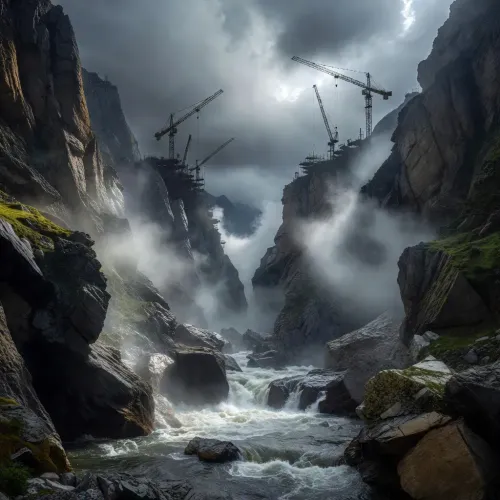
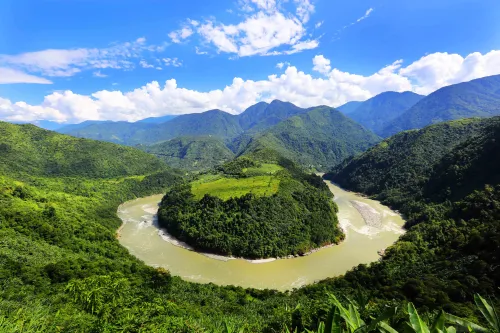
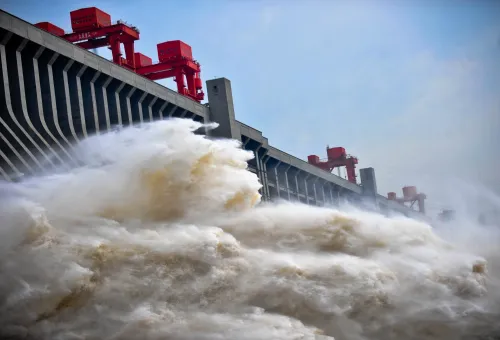
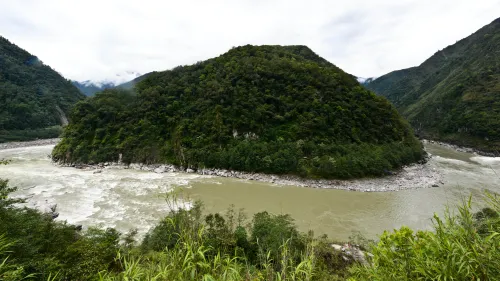
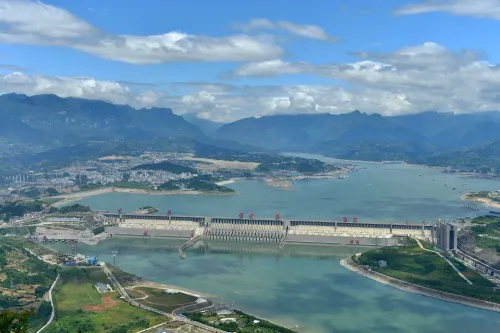
Beijing is building large-scale green infrastructure across the Tibetan plateau, including expansive solar farms and the planned Metok (Motuo) mega-dam on the Yarlung Tsangpo river. Tibet now sits at the intersection of China's wind, solar, and hydropower ambitions. Mineral extraction — critical to clean-technology supply chains — is also intensifying across the region to meet China's surging energy demand.
In a further sign of accelerating resource prospecting, Chinese authorities have reportedly identified a new deposit of high-purity quartz in Tingkye County, Shigatse City, according to the South China Morning Post. The material is a key input for solar panels and semiconductors, and Beijing aims to use the find to reduce import dependence on this strategic mineral.
Ecological and Cultural Costs
While China presents its solar farm expansion as ecologically beneficial for Tibet, research by Sangay Tashi indicates that the actual environmental impact is far from settled. Deep uncertainty persists over how widespread construction of solar installations may disrupt traditional cultural practices and established ways of life on the plateau.
Notably, the rapid pace of hydropower and mining development risks turning one of the world's most ecologically sensitive regions into an industrial extraction zone — a trajectory that critics argue contradicts the stated environmental rationale of China's green energy narrative.
Crackdowns on Dissent
Tibetans who have voiced concerns about these projects have reportedly faced severe reprisals. According to Save Tibet, Chinese authorities arrested more than 1,000 Tibetans during protests against the Khamtok Dege Dam. Separately, activist Tsongon Tsering was reportedly suppressed after speaking out against illegal Chinese mining practices in the region.
In another incident, mass arrests and a communications blackout were reported in Kham Zachuka following the discovery of gold deposits at Serkhok. The pattern of detentions and information restrictions suggests a systematic effort to silence ecological and cultural dissent in Tibet.
UN Guidelines Overlooked
China has evidently not aligned its extractive practices in Tibet with the principles outlined in Critical Energy Transition Minerals, a 2025 document prepared by the UN Secretary-General's Working Group on Transforming the Extractive Industries for Sustainable Development. The framework calls for meaningful community consultation and sustainable extraction standards — benchmarks that critics argue Beijing has failed to meet in Tibet.
Geopolitical and Human Rights Implications
The developments carry significant geopolitical weight. China's positioning as a global green energy leader has earned international recognition, but analysts and advocacy groups argue that its renewable expansion in Tibet is being pursued at the cost of Tibetan communities who are neither consulted nor compensated. The article in The Diplomat called on China to follow UN guidelines and ensure that Tibetan communities are meaningfully included in decisions that directly affect their land and lives.
As the global community scrutinises the social footprint of energy transitions, Tibet's experience is emerging as a critical test case for whether green energy development can coexist with indigenous rights and environmental stewardship.
Point of View
And Beijing's apparent disregard for it exposes a fundamental contradiction: a country cannot credibly lead the global energy transition while suppressing the communities bearing its cost. The international community's applause for China's renewable capacity figures should be conditional on transparency about what is happening on the Tibetan plateau.
NationPress
12 Jul 2026
Frequently Asked Questions
How is China using Tibet for its green energy expansion?
China is developing large-scale solar farms, wind projects, and the planned Metok (Motuo) mega-dam on the Yarlung Tsangpo river in Tibet, while also intensifying mineral extraction to supply clean-technology supply chains. Tibet has effectively become a primary resource base for China's renewable energy transition, according to reports including an analysis in The Diplomat.
What is the Metok (Motuo) mega-dam and why is it controversial?
The Metok (Motuo) mega-dam is a planned hydropower project on the Yarlung Tsangpo river in Tibet, one of the world's most powerful river systems. Critics argue it poses serious ecological risks to a sensitive region and that affected Tibetan communities have not been meaningfully consulted on the project.
How have Tibetans responded to these projects, and what happened to them?
Tibetans who protested or spoke out against these developments have reportedly faced severe crackdowns. According to Save Tibet, more than 1,000 Tibetans were arrested during protests against the Khamtok Dege Dam. Activist Tsongon Tsering was reportedly suppressed for raising concerns about illegal mining, and mass arrests alongside a communications blackout occurred in Kham Zachuka after gold was found at Serkhok.
What do UN guidelines say about mineral extraction in regions like Tibet?
The UN Secretary-General's Working Group on Transforming the Extractive Industries for Sustainable Development published a 2025 document titled 'Critical Energy Transition Minerals', which calls for meaningful community consultation, sustainable extraction practices, and respect for local rights. China has reportedly not followed these principles in its operations in Tibet.
Why does Tibet's situation matter beyond its borders?
Tibet's experience highlights a broader tension in the global energy transition: whether renewable energy expansion can be pursued without replicating the social and environmental harms of fossil fuel extraction. As China is one of the world's largest producers of clean-energy infrastructure, its practices in Tibet have significant implications for international standards and supply chain accountability.