Kejriwal shares Ram devotee's letter to PM over temple scam claims
Synopsis
AAP convenor Arvind Kejriwal on 12 July 2026 amplified a letter purportedly written by a Ram devotee to PM Modi, alleging robberies and scams at the Ayodhya Ram Mandir, raising questions about the temple trust's financial oversight and security.
Key Takeaways
Kejriwal shared a video post on 12 July 2026 containing a letter from an unnamed Ram devotee addressed to PM Narendra Modi .
The letter alleges robbery and financial scams at the Shri Ram Mandir in Ayodhya .
The Ram Mandir was consecrated by PM Modi on 22 January 2024 following a 2019 Supreme Court verdict .
The Shri Ram Janmabhoomi Teerth Kshetra Trust manages the temple and its substantial donation corpus.
Neither the trust nor the government has yet responded to the specific allegations raised in the letter.
The specific theft and scam incidents cited in the letter remain independently unverified.
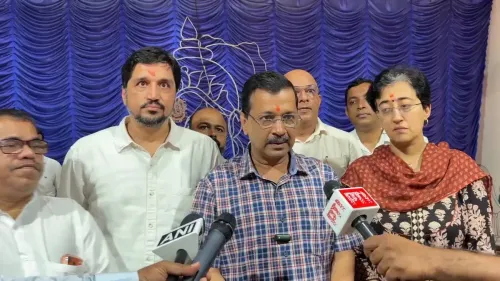
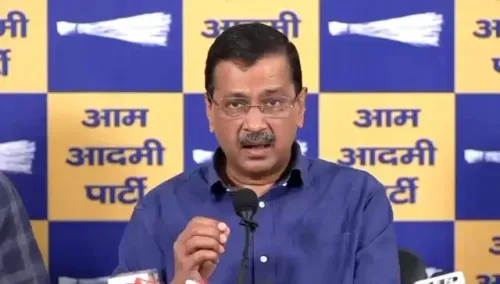
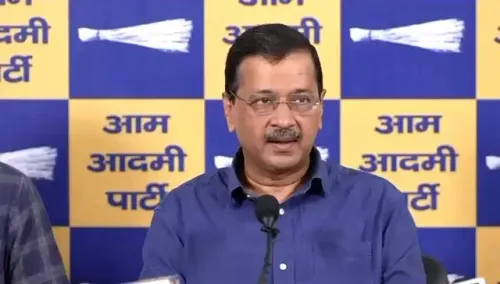
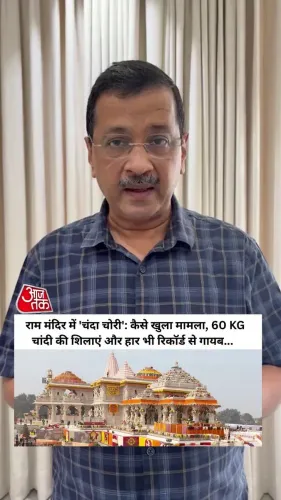
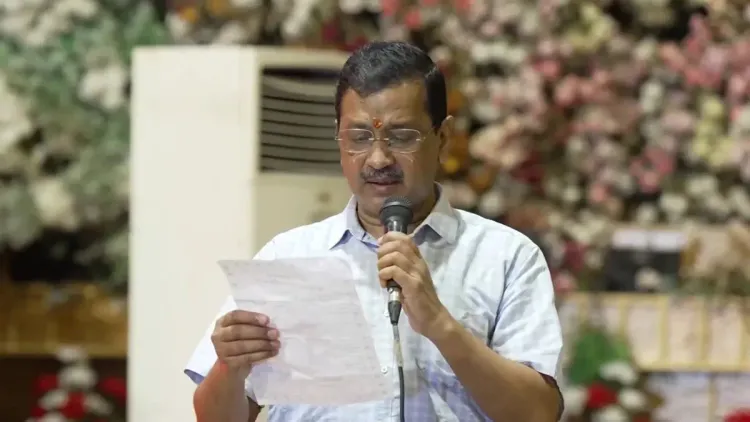
AAP convenor Arvind Kejriwal on Sunday, 12 July 2026, shared what he described as a letter written by a distressed Ram devotee addressed to Prime Minister Narendra Modi, alleging robberies and scams at the Shri Ram Mandir in Ayodhya. The post, shared on X, frames the letter as the anguished appeal of a believer hurt by alleged financial irregularities and theft at one of India's most revered new temples.
Context
The Hindi-language post is titled: 'Shri Ram Mandir mein hui dakaiti aur ghotalon se aahat ek Ram bhakt ki Pradhan Mantri ji ke naam chitthi' — translated as 'A letter from a Ram devotee, pained by the robbery and scams that took place at Shri Ram Mandir, addressed to the Prime Minister.' Kejriwal did not author the letter himself but chose to amplify it, positioning it as the voice of an ordinary devotee. The post includes a video, which appears to contain the full text or a reading of the letter.
The Ram Mandir in Ayodhya, dedicated to Lord Rama, was consecrated by Prime Minister Modi on 22 January 2024 following a landmark Supreme Court verdict in November 2019 that directed the disputed site be handed to a government-formed trust for temple construction.
Policy Backdrop
The Shri Ram Janmabhoomi Teerth Kshetra Trust was constituted by the central government to oversee construction and ongoing management of the Ram Mandir. The trust received substantial donations from across India and the global Hindu diaspora during and after the construction phase.
Management of large religious sites — particularly those handling crores of rupees in donations and footfall of millions of pilgrims — has historically attracted scrutiny over fund transparency and administrative accountability. Opposition parties have at various points raised questions about oversight mechanisms at major temples and pilgrimage centres, and Ayodhya's Ram Mandir, given its political and cultural centrality, has become a focal point for such debates.
Stakeholders and Impact
The letter, as framed by Kejriwal, speaks for Ram devotees — a constituency that cuts across party lines — who have an emotional and spiritual stake in the temple's integrity. Any perception of financial mismanagement or security lapses at the site carries significant reputational weight, both for the trust and for the government that championed the temple's construction.
The Shri Ram Janmabhoomi Teerth Kshetra Trust and the Ministry of Home Affairs, which oversees temple security arrangements, are the primary institutional stakeholders. Pilgrims, donors, and the broader Hindu community are the affected public. Kejriwal's decision to amplify the letter signals AAP's intent to keep questions of temple governance in the political discourse ahead of future electoral cycles.
What's Next
The immediate question is whether the Ram Mandir trust or the Prime Minister's Office will respond to the specific allegations raised in the letter. A formal denial or acknowledgement from the trust would shape how the story develops. Independent verification of the alleged theft and scam incidents remains pending.
If the claims gain traction, pressure may mount on the trust to release a detailed financial and security audit of the temple complex. Kejriwal's intervention also sets the stage for the issue to be raised in Parliament or in public forums, potentially forcing a government response on temple governance standards.
Point of View
Consecrated with enormous political investment by the BJP, is now being tested as an administrative institution, and opposition parties are watching closely for any accountability gaps. This reflects a broader pattern where large, politically charged religious projects face heightened scrutiny once the construction phase ends and day-to-day management begins. The trust's response — or silence — will determine whether this remains a social media moment or escalates into a sustained governance controversy.
NationPress
12 Jul 2026
Frequently Asked Questions
What did Kejriwal post about Ram Mandir on 12 July 2026?
Kejriwal shared a video on X containing a letter written by a Ram devotee to PM Modi, alleging robberies and financial scams at the Shri Ram Mandir in Ayodhya.
Who manages the Ram Mandir in Ayodhya?
The Shri Ram Janmabhoomi Teerth Kshetra Trust, constituted by the central government following the 2019 Supreme Court verdict, oversees the construction and management of the Ram Mandir.
When was the Ram Mandir consecrated?
Prime Minister Narendra Modi performed the consecration ceremony at the Ram Mandir in Ayodhya on 22 January 2024.
Have the Ram Mandir scam allegations been verified?
The specific theft and scam incidents alleged in the letter shared by Kejriwal have not been independently verified, and neither the Ram Mandir trust nor the government has issued a formal response as of the time of the post.
Why is Kejriwal raising issues about the Ram Mandir?
Kejriwal framed his post as amplifying the concerns of an ordinary Ram devotee, fitting a broader opposition pattern of scrutinising financial transparency and administrative accountability at major religious sites managed by government-backed trusts.