Kejriwal Questions Modi Over Ram Temple Trust Accountability
Synopsis
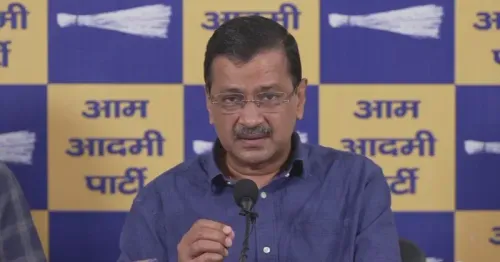
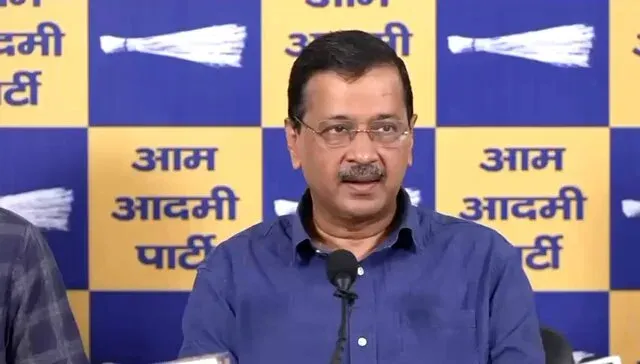
AAP convenor Arvind Kejriwal on 2 July 2026 accused PM Modi of personally stacking the Ram Temple trust with loyalists, including VHP leader Champat Rai, and alleged the government is working to protect those responsible for alleged irregularities rather than punish them.
Key Takeaways
AAP convenor Arvind Kejriwal posted on X on 2 July 2026 questioning PM Modi's role in managing the Ram Temple trust.
Kejriwal alleged that Modi personally selected every member of the Shri Ram Janmabhoomi Teerth Kshetra Trust , formed in February 2020 .
He singled out Champat Rai , VHP general secretary, as Modi's 'close aide' installed as the trust's de facto head.
Kejriwal claimed the 'entire sequence of events' shows Modi is working to 'hush up the matter and protect the guilty' rather than ensure accountability.
The trust was created following the November 2019 Supreme Court verdict on the Ayodhya land dispute.
An official response from the trust, BJP, or Champat Rai, and possible parliamentary scrutiny, are the key developments to watch.
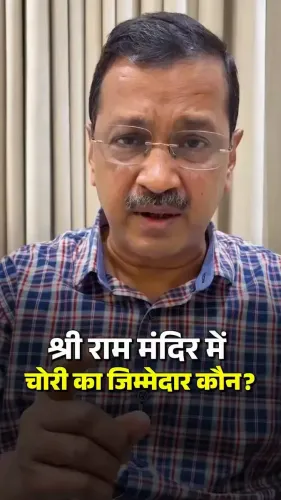
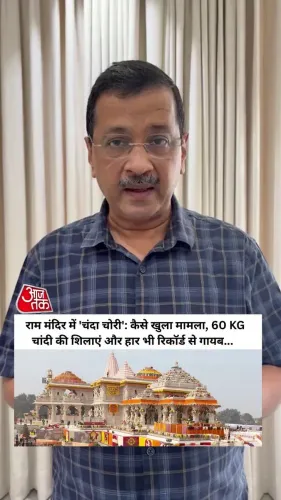
AAP convenor Arvind Kejriwal on Thursday, 2 July 2026, launched a sharp attack on Prime Minister Narendra Modi over the management of the Shri Ram Janmabhoomi Teerth Kshetra Trust, questioning whether the government would hold those responsible for alleged financial irregularities accountable or shield them.
Posting in Hindi on X, Kejriwal wrote: 'मोदी जी ने खुद ट्रस्ट बनाया और एक-एक व्यक्ति को खुद चुना।' ('Modi himself formed the trust and personally handpicked every single member.') He further alleged that the Prime Minister installed his 'close aide' Champat Rai as the all-powerful head of the temple body, and asked whether Modi could be trusted to punish the 'real culprits.' Kejriwal concluded that the entire sequence of events suggested the Prime Minister was focused on 'hushing up the matter and protecting the guilty.'
Context
The Shri Ram Janmabhoomi Teerth Kshetra Trust was constituted by the central government in February 2020, following the November 2019 Supreme Court verdict that settled the decades-long Ayodhya land dispute and cleared the path for construction of the Ram Temple. The trust was empowered to oversee construction, fund collection, and day-to-day administration of the project.
Champat Rai, the general secretary of the Vishwa Hindu Parishad (VHP), was appointed to a senior executive role within the trust at the time of its formation. Kejriwal's post specifically singles out Rai's appointment as evidence of the Prime Minister's personal control over the body.
Policy Backdrop
The Ram Temple project attracted donations from millions of devotees across India and abroad, making the trust one of the largest religion-linked fund repositories in recent Indian history. Questions around financial oversight, land transactions, and internal governance of the trust have periodically surfaced in political discourse since its inception.
Opposition parties have consistently argued that a government-appointed body managing public religious donations requires independent auditing and parliamentary scrutiny. The BJP has maintained that the trust operates transparently and in accordance with its mandate.
Stakeholders and Impact
The trust's work directly affects millions of Hindu devotees who contributed funds for the temple's construction, as well as religious organisations involved in the project. Any perception of mismanagement or a cover-up could erode public trust in the administration of one of the ruling party's most symbolically significant projects.
Kejriwal's intervention signals that AAP intends to press the accountability question on a national stage, linking it to a broader narrative about institutional transparency under the current central government.
What's Next
Observers will watch for an official response from the Shri Ram Janmabhoomi Teerth Kshetra Trust, a rebuttal from the BJP, or any statement from Champat Rai addressing the allegations. Parliamentary questions on trust finances and a possible demand for an independent audit are likely follow-up moves from the opposition.
If no credible institutional response emerges, the controversy could deepen public debate over the governance of large government-constituted religious bodies — a question with implications well beyond the Ram Temple alone.
Point of View
AAP is trying to shift the debate from religious sentiment to institutional accountability. The move fits a wider opposition strategy of challenging the BJP on delivery and transparency rather than on ideological terrain. Whether the attack gains traction will depend on whether credible evidence of financial irregularities enters the public domain through audits or parliamentary proceedings.
NationPress
30 Sept 2026
Frequently Asked Questions
What is the Shri Ram Janmabhoomi Teerth Kshetra Trust?
It is a statutory trust constituted by the Indian central government in February 2020, following the Supreme Court's November 2019 verdict on the Ayodhya land dispute, to oversee the construction, fund management, and administration of the Ram Temple in Ayodhya.
Who is Champat Rai and what is his role in the Ram Temple trust?
Champat Rai is the general secretary of the Vishwa Hindu Parishad (VHP). He was appointed to a senior executive position in the Shri Ram Janmabhoomi Teerth Kshetra Trust at the time of its formation in 2020. Kejriwal has described him as PM Modi's 'close aide' installed as the trust's all-powerful head.
What exactly did Kejriwal allege against PM Modi regarding the temple trust?
Kejriwal alleged that Modi personally formed the trust and handpicked its members, installed Champat Rai as its head, and is now working to shield those responsible for alleged irregularities rather than ensure they are punished.
Has the Ram Temple trust faced financial scrutiny before?
Questions around the trust's land transactions, fund collection, and internal governance have periodically surfaced in political discourse since 2020, with opposition parties calling for independent audits and greater parliamentary oversight.
What could happen next following Kejriwal's allegations?
Key developments to watch include an official response from the trust or BJP, a statement from Champat Rai, parliamentary questions on trust finances, and possible demands for an independent audit of the temple project's funds.