Kejriwal visits Ram Mandir, prays for punishment of offering thieves
Synopsis
AAP convenor Arvind Kejriwal visited the Ram Mandir in Ayodhya on 26 June 2026, offering prayers and publicly calling for the harshest divine punishment for those who have stolen offerings from the sacred temple.
Key Takeaways
Arvind Kejriwal visited Shri Ram Mandir in Ayodhya on 26 June 2026 and offered prayers to Ramlala .
He publicly prayed for 'the harshest possible punishment' for those who have stolen offerings ( charhawa ) from the temple.
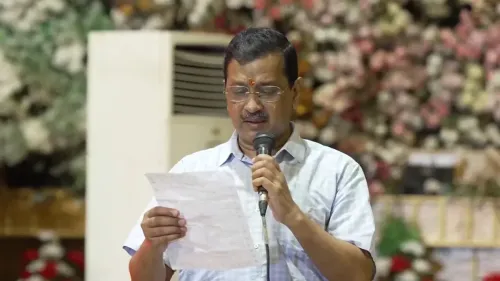
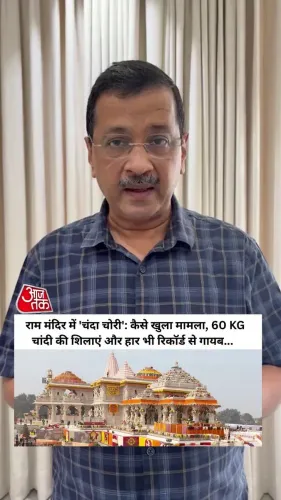
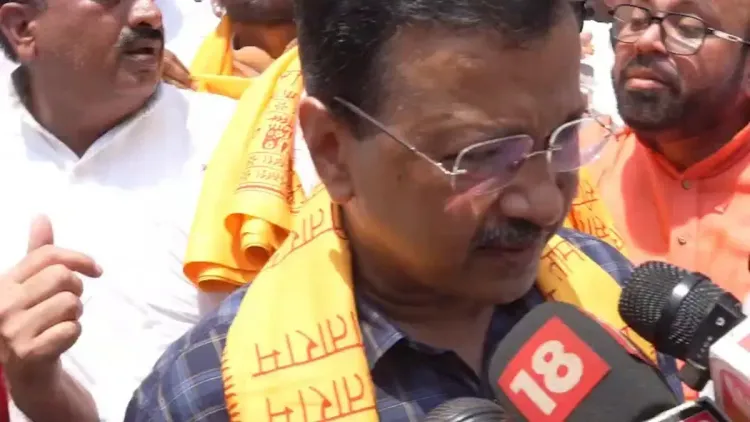
The visit was documented on video and shared on his official X account.
The Ram Mandir was consecrated on 22 January 2024 and is administered by the Shri Ram Janmabhoomi Teerth Kshetra Trust .
Leaders from multiple political parties have made visits to Ayodhya since the temple's opening, reflecting its political and cultural significance.
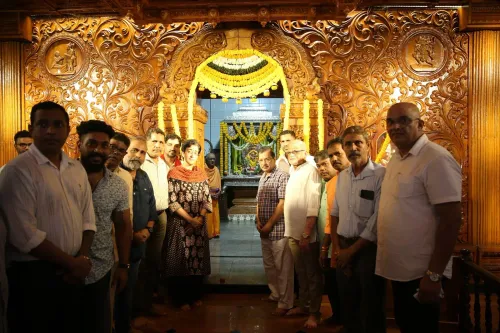
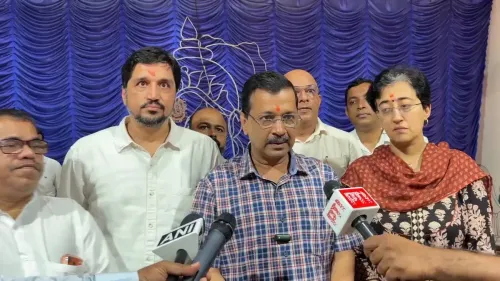
AAP convenor Arvind Kejriwal visited the Shri Ram Mandir in Ayodhya on Friday, 26 June 2026, and offered prayers to Ramlala, calling for divine punishment against those who have committed what he described as the grave sin of stealing offerings from the temple.
Context
Kejriwal posted on X after his visit, writing in Hindi: 'हमने आज श्री राम मंदिर में रामलला के दर्शन किए और भगवान से प्रार्थना की कि जिन लोगों ने भी श्री राम मंदिर से चढ़ावा चोरी का महापाप किया है, वे उन्हें कठोर से कठोर दंड दें।' Translated: 'Today we visited Ramlala at Shri Ram Mandir and prayed to God that whoever has committed the grave sin of stealing offerings from Shri Ram Mandir should be given the harshest possible punishment.'
The post was accompanied by a video from the visit. Kejriwal's remarks framed the alleged theft of temple offerings as a moral and religious transgression, invoking divine rather than merely administrative accountability.
Policy Backdrop
The Shri Ram Mandir in Ayodhya was consecrated on 22 January 2024 in a ceremony that drew national attention. The temple is administered by the Shri Ram Janmabhoomi Teerth Kshetra Trust, which oversees its daily operations including management of devotee offerings (charhawa).
Concerns about the security and proper accounting of donations and offerings at large religious sites have periodically surfaced in public discourse across India. Major temples with high footfall face logistical and governance challenges in managing the volume of cash, gold, and other offerings received from devotees.
Stakeholders and Impact
The statement is likely to resonate with millions of Ram Mandir devotees across the country who regard the temple as a deeply sacred site. Any suggestion of misappropriation of offerings touches a sensitive nerve among the faithful, for whom charhawa is an act of personal devotion.
The Shri Ram Janmabhoomi Teerth Kshetra Trust and local administration in Ayodhya are the primary institutional stakeholders who would be expected to respond to any concerns about offerings management or security lapses at the temple complex.
Kejriwal's visit and public statement also carry political weight, as leaders from multiple parties have made high-profile trips to Ayodhya since the temple's consecration, often signalling their religious and cultural positioning to voters.
What's Next
Attention will now turn to whether the Shri Ram Janmabhoomi Teerth Kshetra Trust or Uttar Pradesh authorities issue any formal response addressing the concerns raised by Kejriwal. Any official statement on the status of temple security or offerings management would be closely watched by both devotees and political observers.
Should the matter escalate into a formal complaint or investigation, it could prompt a wider debate on governance and accountability frameworks at major religious institutions across India.
Point of View
Coming at a time when the Ram Mandir remains one of the most symbolically charged sites in Indian public life. By framing the alleged theft as a 'mahapap' — a grave sin — rather than a law-and-order matter, he shifts the discourse onto moral and spiritual terrain that resonates broadly with devotees. The move also implicitly raises questions about the governance of the temple trust without making a direct political attack. It fits a broader pattern among opposition leaders of engaging with Ayodhya to demonstrate cultural credibility while simultaneously flagging institutional accountability.
NationPress
24 Sept 2026
Frequently Asked Questions
Why did Arvind Kejriwal visit Ram Mandir in Ayodhya?
Kejriwal visited the Shri Ram Mandir in Ayodhya on 26 June 2026 to offer prayers to Ramlala and publicly prayed for divine punishment for those who have stolen offerings from the temple.
What did Kejriwal say about the theft of Ram Mandir offerings?
He said he prayed to God that whoever committed the 'mahapap' (grave sin) of stealing offerings from Shri Ram Mandir should receive the harshest possible punishment.
Has there been theft at Ram Mandir Ayodhya?
Kejriwal's post references the stealing of temple offerings as a 'mahapap', but a specific verified theft incident at the Ram Mandir has not been confirmed by official sources at the time of this report.
Who manages the Ram Mandir in Ayodhya?
The Shri Ram Janmabhoomi Teerth Kshetra Trust is the body responsible for administering the Ram Mandir in Ayodhya, including overseeing daily operations and management of devotee offerings.
When was the Ram Mandir in Ayodhya consecrated?
The Shri Ram Mandir in Ayodhya was consecrated on 22 January 2024 in a nationally televised ceremony.