Rajasthan to invest ₹306 crore in tribal, Maharana Pratap tourist circuits
Synopsis
Rajasthan is committing ₹306 crore to put its tribal heartland on the global tourism map — not just as a heritage showcase but as an economic engine. With Haldighati, Beneshwar Dham, and Mangarh Dham anchoring two major circuits, the state is betting that cultural tourism can deliver real livelihoods for tribal artisans and communities long left at the margins of Rajasthan's booming tourism economy.
Key Takeaways
The Rajasthan government is implementing tourism projects worth over ₹306 crore in tribal areas.
The Tribal Tourist Circuit includes ₹49.40 crore for Beneshwar Dham , Dungarpur and ₹13.41 crore for Mangarh Dham , Banswara.
The Maharana Pratap Tourist Circuit carries an outlay of over ₹206 crore , connecting Haldighati , Kumbhalgarh , Gogunda , Chavand , Diver , and Udaipur .
The 'Saundh Mati Aadi Dharohar Documentation Scheme' will document tribal musical instruments, cuisine, crafts, and performing arts.
The 'Banphool' Tribal Design Studio aims to link tribal artisans directly to commercial markets.
The initiative targets employment and self-employment for tribal residents, artisans, and self-help groups across Rajasthan.
The Rajasthan government is rolling out tourism projects worth more than ₹306 crore across the state's tribal regions, with the twin goals of placing these areas on the global tourism map and generating livelihood opportunities for local communities. The flagship initiatives — the Tribal Tourist Circuit and the Maharana Pratap Tourist Circuit — are designed to blend cultural conservation with economic empowerment.
Tribal Tourist Circuit: Key Destinations and Outlay
The Tribal Tourist Circuit anchors its development around some of Rajasthan's most significant tribal pilgrimage and heritage sites. Beneshwar Dham in Dungarpur, widely regarded as the 'Kumbh of the Tribals', will receive ₹49.40 crore for infrastructure and tourism development. Mangarh Dham in Banswara has been allocated ₹13.41 crore.
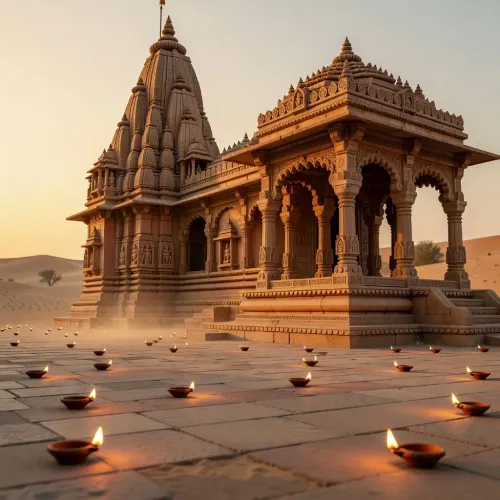
The circuit also encompasses Matrikundia in Chittorgarh — known as the 'Prayag of Mewar' — along with Sitamata Sanctuary in Pratapgarh, Gautameshwar Mahadev Temple, Tripura Sundari Temple in Banswara, and Rishabhdev Temple in Udaipur. Additional tribal places of faith included in the plan are Sitabari in Baran; Kamalnath Mahadev and Ramkunda Mahadev temples in Jhadol; Jawar Mata Temple in Udaipur; Sonar Mata Temple in Salumbar; and Salakeshwar Mahadev Temple in Banswara.
Maharana Pratap Tourist Circuit: ₹206 Crore for Historical Heritage
A separate proposal worth more than ₹206 crore has been prepared for the Maharana Pratap Tourist Circuit, which will link historically significant sites including Chavand, Haldighati, Gogunda, Kumbhalgarh, Diver, and Udaipur. Conservation and development work is also planned for Baiji ki Bawdi in Gogunda and the Karni Mata and Neemach Mata temples in Udaipur.
Other infrastructure components include the construction of a Shilpgram in Dungarpur and a heritage walkway in Chittorgarh, aimed at enhancing the visitor experience at both cultural and historical nodes.
Cultural Documentation and Artisan Outreach
Beyond physical infrastructure, the government is implementing the 'Saundh Mati Aadi Dharohar Documentation Scheme' to systematically document, preserve, and promote tribal cultural heritage. The documentation covers tribal musical instruments, traditional cuisine, paintings, murals, wood and stone crafts, and dance and music traditions.
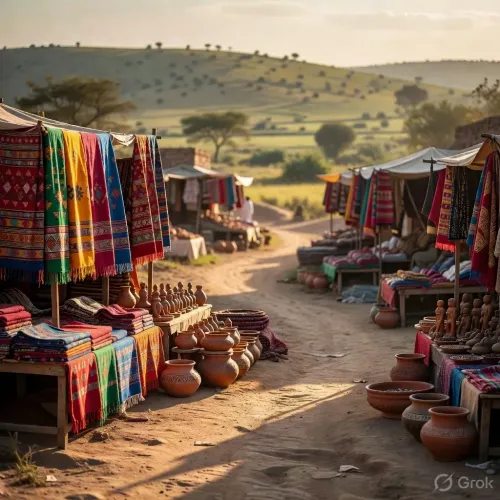
The 'Banphool' Tribal Design Studio and the associated 'Banphool' branding initiative are being deployed to connect tribal artisans directly with markets, giving greater commercial visibility to traditional products. The government also plans to produce documentaries spotlighting tribal culture, the contributions of tribal freedom fighters, and the historical relationship of tribal communities with forests and water resources.
Economic Impact and What Comes Next
Officials described the 'Tourism in Tribes' initiative as going beyond conventional tourism promotion, with a stated emphasis on socio-economic empowerment and cultural pride. By increasing tourist footfall and encouraging longer stays, the programme is expected to generate employment and self-employment opportunities for residents, artisans, and self-help groups in tribal belts.
Tribal regions across Rajasthan are expected to emerge as significant destinations for both domestic and international visitors, contributing to the broader economic growth of local communities. With implementation already under way, the pace of project completion and on-ground outcomes for tribal livelihoods will be closely watched.
Point of View
But the proof will be in implementation. Large tourism outlays in India have historically delivered infrastructure without proportionate livelihood gains for the communities they are meant to serve — artisans and self-help groups often remain peripheral to the formal tourism economy. The 'Banphool' branding and documentation schemes are the more distinctive elements here, because they attempt to close the market-access gap directly. Whether ₹306 crore translates into sustained income for tribal households — or primarily into roads and visitor centres — depends on how rigorously community benefit is tracked and enforced as a project metric, not an afterthought.
NationPress
25 Sept 2026
Frequently Asked Questions
What is the Rajasthan tribal tourist circuit and what does it cover?
The Rajasthan Tribal Tourist Circuit is a government-funded tourism development initiative that connects key tribal pilgrimage and heritage sites across the state. It includes Beneshwar Dham in Dungarpur, Mangarh Dham in Banswara, Matrikundia in Chittorgarh, Sitamata Sanctuary in Pratapgarh, and several temples in Udaipur and Banswara.
How much is being spent on the Maharana Pratap Tourist Circuit?
The Maharana Pratap Tourist Circuit has a proposed outlay of more than ₹206 crore. It will link historically significant sites including Haldighati, Kumbhalgarh, Gogunda, Chavand, Diver, and Udaipur, along with conservation work at Baiji ki Bawdi and the Karni Mata and Neemach Mata temples.
What is the 'Banphool' Tribal Design Studio?
The 'Banphool' Tribal Design Studio is a Rajasthan government initiative that connects tribal artisans with commercial markets and provides greater visibility to their traditional products. It operates alongside the 'Banphool' branding initiative as part of the broader 'Tourism in Tribes' programme.
Who is expected to benefit from the tribal tourism initiative?
The initiative is designed to benefit tribal residents, local artisans, and self-help groups in Rajasthan's tribal regions. By increasing tourist footfall and encouraging longer stays, the government aims to generate both employment and self-employment opportunities for these communities.
What is the 'Saundh Mati Aadi Dharohar Documentation Scheme'?
It is a Rajasthan government scheme to document, preserve, and promote the cultural heritage of tribal communities. Documentation covers tribal musical instruments, traditional cuisine, paintings, murals, wood and stone crafts, and dance and music traditions.