Kejriwal Visits Ram Mandir in Ayodhya, Offers Darshan
Synopsis
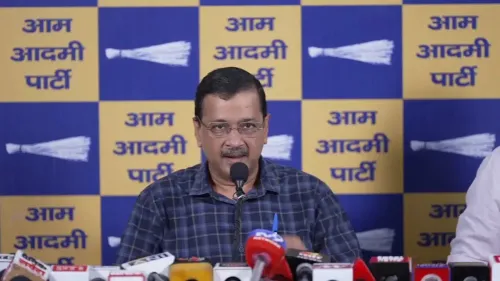
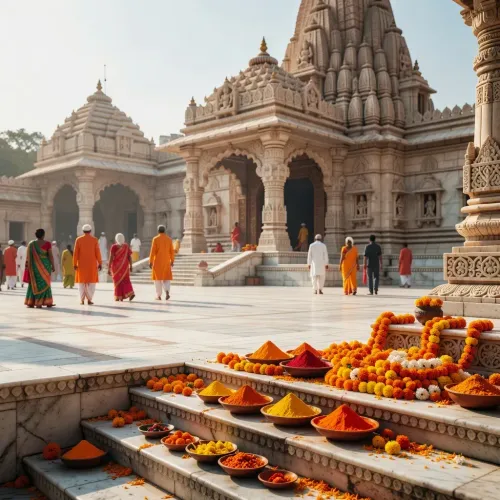
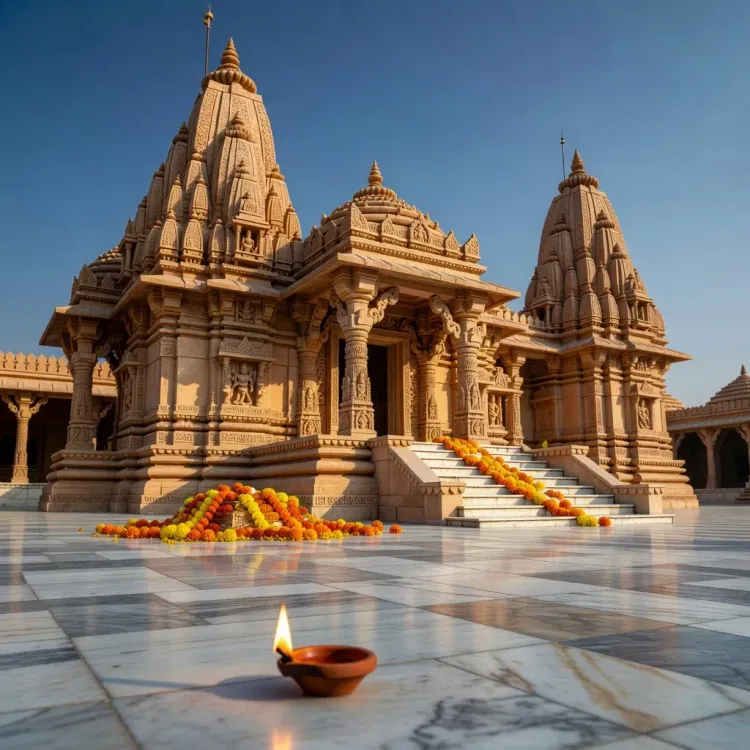
AAP convenor Arvind Kejriwal visited the Shri Ram Mandir in Ayodhya on June 26, 2026, offering darshan of Ram Lalla and calling the temple a symbol of the faith and pride of crores of Hindus. He described the idol's divine radiance as impossible to capture in words.
Key Takeaways
Arvind Kejriwal , AAP national convenor and former Delhi Chief Minister, visited the Shri Ram Mandir in Ayodhya on June 26, 2026 .
Kejriwal described the darshan of Ram Lalla as a moment of 'supreme good fortune' and called the temple a symbol of faith for crores of Hindus .
The Ram Mandir was consecrated on January 22, 2024 , following the Supreme Court's November 2019 verdict allocating the disputed site for temple construction.
Multiple national and regional political leaders across party lines have visited the temple since its inauguration.
Kejriwal concluded his post with the devotional chant 'Siyavar Ramchandra ki jai' — 'Victory to Lord Ramchandra, consort of Sita.'
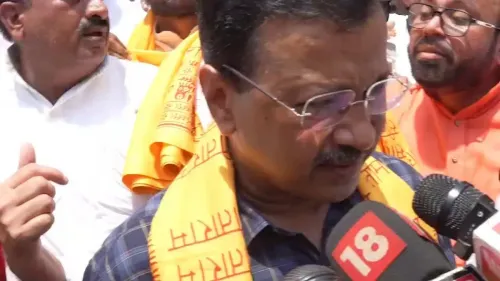
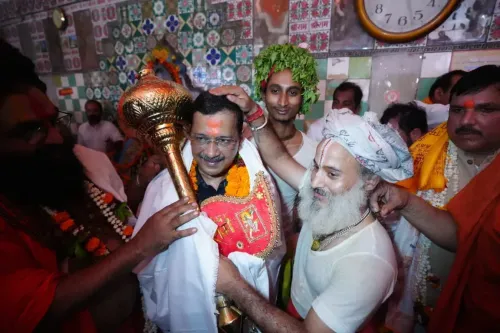
AAP convenor Arvind Kejriwal visited the Shri Ram Mandir in Ayodhya, Uttar Pradesh, on Friday, June 26, 2026, offering darshan of Ram Lalla and describing the experience as a moment of profound spiritual privilege.
Sharing his visit on social media, Kejriwal wrote in Hindi: 'Aaj Shri Ram Mandir mein Prabhu Shri Ramlalla ke darshan ka param saubhagya mila' — 'Today I had the supreme good fortune of having darshan of Lord Shri Ram Lalla at the Shri Ram Mandir.' He called the grand temple a symbol of the faith and pride of crores of Hindus, and added that the divine radiance of the Lord's captivating idol was impossible to capture in words. He concluded with the devotional chant, 'Siyavar Ramchandra ki jai' — 'Victory to Lord Ramchandra, consort of Sita.'
Context
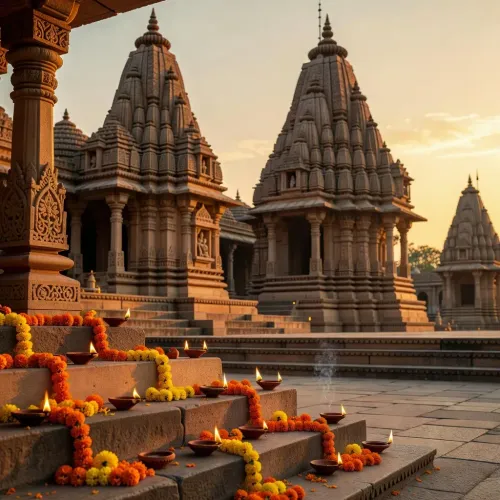
The Shri Ram Mandir in Ayodhya was inaugurated on January 22, 2024, when Prime Minister Narendra Modi performed the pran pratishtha — the consecration ceremony — of the Ram Lalla idol. The inauguration followed the Supreme Court of India's landmark November 2019 verdict, which allocated the disputed site in Ayodhya for the construction of the temple, ending decades of legal and political contestation over one of India's most sensitive religious disputes.
The temple complex has since drawn millions of pilgrims and has emerged as one of the most prominent religious sites in the country. Ayodhya, long revered as the birthplace of Lord Rama, has seen significant infrastructure development in the years following the verdict and the inauguration.
Policy Backdrop
Since the temple's consecration, political figures from across the spectrum have made visits to offer darshan, reflecting the site's transformation into a point of convergence for both religious devotion and political symbolism. Kejriwal's visit fits into a broader pattern of national and regional leaders engaging with the Ram Mandir as a site of cross-party religious significance.
Arvind Kejriwal serves as the national convenor of the Aam Aadmi Party (AAP) and is a former Chief Minister of Delhi. His visit to Ayodhya comes as AAP continues to navigate its positioning on cultural and religious issues at the national level.
Stakeholders and Impact
For Hindu devotees across India, the Ram Mandir represents the culmination of a decades-long aspiration, and visits by prominent political figures carry both religious and symbolic weight. Kejriwal's expression of reverence — describing the idol's divine aura as beyond words — is consistent with the devotional register that many visiting leaders have adopted.
The visit is likely to resonate with AAP's broader constituency, which spans urban voters in Delhi and other states where the party has sought to expand its footprint. Reactions from political observers and rival parties may follow, given the historically charged nature of the Ram Mandir issue in Indian politics.
What's Next
Visits to the Ram Mandir by political leaders have consistently drawn commentary from across the political spectrum, and formal responses from AAP or BJP spokespersons may emerge in the coming days. As Ayodhya continues to develop as a major religious and tourism destination, it is expected to remain a significant stop for national political figures ahead of electoral cycles.
Point of View
Which has increasingly leaned into cultural and religious messaging in recent years, the visit signals a continued effort to occupy ground that has traditionally been associated with the BJP. The devotional, apolitical register of Kejriwal's post — conspicuously avoiding any reference to party or policy — reflects a calculated softness that allows the visit to read as personal faith rather than political positioning. Whether it shifts voter perception will depend on how consistently AAP sustains this cultural outreach.
NationPress
25 Sept 2026
Frequently Asked Questions
When did Arvind Kejriwal visit the Ram Mandir in Ayodhya?
Arvind Kejriwal visited the Shri Ram Mandir in Ayodhya on Friday, June 26, 2026, and shared details of his darshan on social media the same day.
What did Kejriwal say about his visit to the Ram Mandir?
Kejriwal described the visit as a moment of 'supreme good fortune,' called the temple a symbol of faith and pride for crores of Hindus, and said the divine radiance of Ram Lalla's idol was impossible to capture in words.
When was the Ram Mandir in Ayodhya inaugurated?
The Shri Ram Mandir in Ayodhya was inaugurated on January 22, 2024, when Prime Minister Narendra Modi performed the pran pratishtha — the consecration ceremony — of the Ram Lalla idol.
Why do political leaders visit the Ram Mandir in Ayodhya?
Since its inauguration in January 2024, the Ram Mandir has become a site of national religious and political significance, drawing leaders from across party lines who visit to offer darshan and connect with its symbolism for Hindu devotees.
What is Arvind Kejriwal's current political role?
Arvind Kejriwal is the national convenor of the Aam Aadmi Party (AAP) and a former Chief Minister of Delhi.