White House Pushes 'Real Food' Back onto School Lunch Trays
Synopsis
The White House amplified a call to put 'real food' back on school lunch trays, citing Secretary Rollins and Ben Carson. The move reignites a long-running debate over federal nutrition mandates in the National School Lunch Program, with formal USDA rulemaking expected to follow.
Key Takeaways
The White House posted a 'Eat Real Food' message on August 10, 2026 , backing a school lunch overhaul.
Secretary Rollins and Ben Carson are named as leading the push to change what is served on school lunch trays.
The National School Lunch Program provides federally subsidized meals to students in public and nonprofit schools across the U.S.
School meal standards have shifted with each administration since the Healthy, Hunger-Free Kids Act of 2010 .
The USDA previously relaxed whole-grain, sodium, and milk requirements in 2018 under the first Trump term.
Formal USDA rulemaking on revised guidelines and congressional oversight hearings are the next policy milestones to watch.
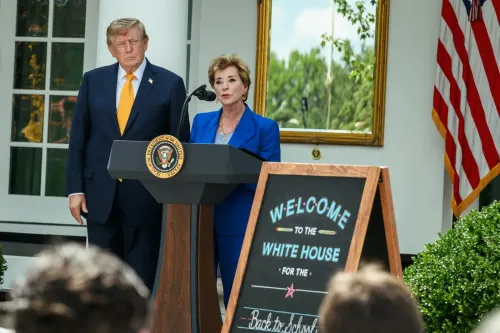
The White House fired a pointed message at America's school cafeterias on Monday, August 10, 2026: 'Eat Real Food.' The post, amplifying remarks attributed to Secretary Rollins and Ben Carson, signals a fresh push to overhaul what millions of American schoolchildren eat every day — and reignites one of the most persistent battles in U.S. education and nutrition policy.
What the White House Is Saying
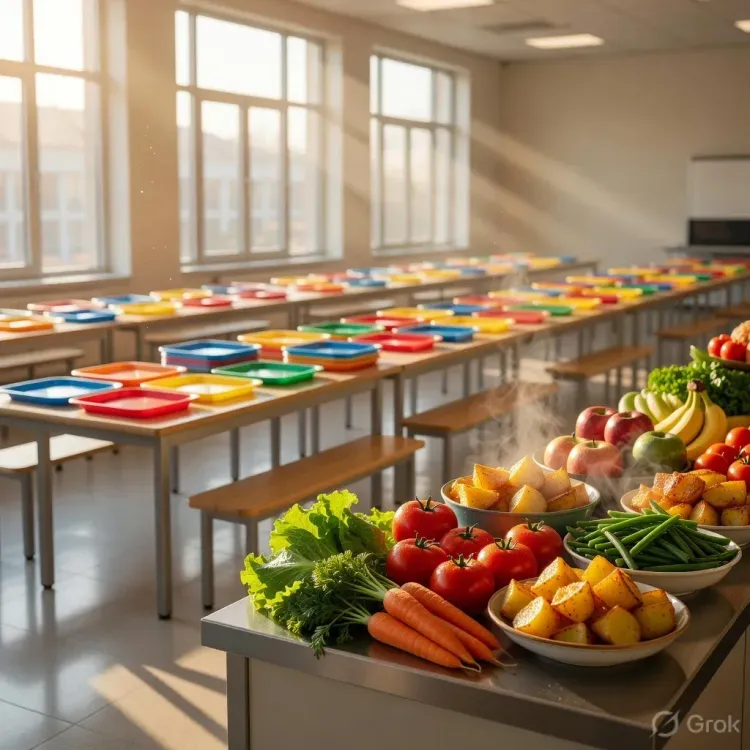
The post quotes Secretary Rollins and Ben Carson directly: 'We are putting real food back on school lunch trays.' The framing — 'real food' versus what is currently served — is a deliberate signal that the administration views existing school meal offerings as falling short of genuine nutritional standards. The two-word rallying cry doubles as a policy position: that processed or overly regulated menus have displaced wholesome nutrition in federally funded school meals.
The Long Battle Over School Lunch Standards
The stakes here are enormous. The National School Lunch Program serves federally subsidized meals to students across public and nonprofit schools nationwide — one of the largest federal nutrition initiatives in the country. The program's standards have swung with each administration since the landmark Healthy, Hunger-Free Kids Act of 2010, which pushed schools toward more fruits, vegetables, and whole grains.
By 2018, the USDA had already begun relaxing requirements on whole grains, sodium limits, and milk options — a move that reflected the first Trump term's emphasis on local flexibility over federal mandates. The current post suggests that philosophy is being taken a step further, with 'real food' as the new standard-bearer — though the precise regulatory details of any 2026 rulemaking have yet to be formally announced.
Carson's Return to the Policy Stage
Ben Carson, the retired neurosurgeon who led the Department of Housing and Urban Development from 2017 to 2021, is a notable presence in this announcement. His involvement in a school nutrition push — outside his prior housing remit — points to a broader, cross-agency effort to reshape federal food policy. His medical background lends a clinical credibility to the 'real food' framing that the White House is clearly leaning into.
What Comes Next for School Menus
The immediate policy mechanism to watch is any formal USDA rulemaking on revised school meal guidelines, along with congressional appropriations and oversight hearings that could follow. School districts, already navigating tight budgets and supply-chain pressures, will be watching closely — any shift in federal standards carries direct cost and operational implications for cafeteria managers from rural Kansas to urban Chicago.
The political fault line is familiar: federal nutrition mandates versus parental and local choice. What is new is the bluntness of the message. 'Eat Real Food' is not a policy memo — it is a prime-time declaration.
Point of View
Whose medical credibility is the subtext, the White House is building a coalition optic around nutrition reform. This fits a consistent pattern of using school meal standards as a proxy battleground for the larger debate over federal overreach versus local autonomy. The real test will come when USDA rulemaking hits the Federal Register and school districts must translate the slogan into procurement decisions.
NationPress
25 Sept 2026
Frequently Asked Questions
What is the White House 'real food' school lunch announcement about?
The White House on August 10, 2026 backed a push by Secretary Rollins and Ben Carson to overhaul school lunch menus, calling for 'real food' to replace what the administration views as inadequate current offerings under the National School Lunch Program.
What is the National School Lunch Program?
The National School Lunch Program is a federally subsidized meal initiative that provides lunches to students in public and nonprofit schools across the United States.
What role does Ben Carson play in school nutrition policy?
Ben Carson, a retired neurosurgeon and former Secretary of Housing and Urban Development (2017-2021), has been named alongside Secretary Rollins in the White House's school lunch push, lending medical credibility to the 'real food' framing.
How have school lunch standards changed under different U.S. administrations?
Standards have shifted significantly since the Healthy, Hunger-Free Kids Act of 2010. The USDA relaxed whole-grain, sodium, and milk requirements in 2018 under the first Trump term, and the current administration appears to be continuing that trend with its 'real food' initiative.
What happens next after this White House school lunch announcement?
The key step to watch is formal USDA rulemaking on revised school meal guidelines, followed by congressional appropriations and oversight hearings that will determine how and when any changes reach school cafeterias.