Did Trump Just Reverse Nutrition Rules by Signing Whole Milk Bill?

Synopsis
In a significant policy shift, President Trump has signed the Whole Milk for Healthy Kids Act, restoring whole milk to schools. This law aims to improve children's nutrition while supporting dairy farmers, marking a pivotal change in federal nutrition standards.
Key Takeaways
Whole Milk Restoration: Schools can now provide whole milk options.
Support for Dairy Farmers: The legislation is expected to benefit local dairy farmers significantly.
Parental Convenience: Parents no longer need a doctor's note for milk alternatives.
Nutrition Policy Shift: This marks a major change in federal nutrition guidelines.
Broader Economic Impact: The law aims to strengthen rural economies through improved dairy sales.
Washington, Jan 15 (NationPress) – President Donald Trump has enacted the Whole Milk for Healthy Kids Act, effectively overturning long-standing school nutrition guidelines and reinstating whole milk in cafeterias nationwide.
On Wednesday (local time), Trump declared this as his inaugural bill signing of the year, emphasizing that the law will guarantee that “millions of school-aged children gain access to high-quality milk.” He also mentioned the benefits it would bring to dairy farmers who have advocated for this change for years.
“Currently, schools involved in the National School Lunch Program can only offer low or nonfat milk options,” Trump informed reporters at the White House.
“With this new legislation, schools will have the opportunity to expand their offerings to include nutritious whole milk,” he added.
The new law also eliminates a requirement for parents, allowing them to request milk substitutes for children with dairy intolerance without needing a doctor’s note.
Trump criticized the previous rule as “rather ridiculous,” asserting that parents should be the ones to decide what is best for their children.
Agriculture Secretary Brooke Rollins stated that the implementation would be swift, with the US Department of Agriculture providing guidance immediately and initiating rulemaking processes right away.
“It should only take a few weeks for the milk to start flowing,” she noted.
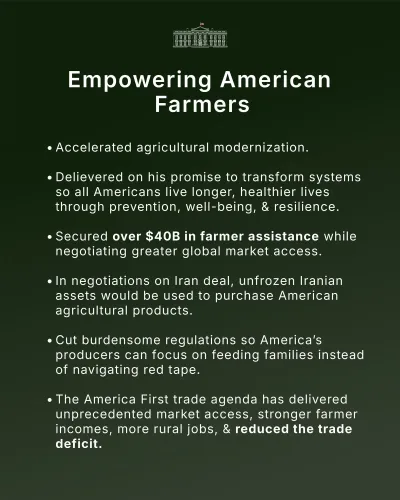
Rollins mentioned that dairy farmers from various backgrounds attended the signing, including small family farms and larger operations, indicating that this law is part of a broader initiative to bolster rural America, with increased dairy exports and improved market access.
Health and Human Services Secretary Robert F. Kennedy Jr. asserted that the law rectifies years of flawed policies, pointing out that “Washington has long viewed fat, especially saturated fat, as the enemy.” He emphasized that “science has never indicated that whole milk is harmful to children.”
Kennedy observed that milk consumption declined after whole milk was removed from schools over a decade ago, leading children to opt for sugary and caffeinated alternatives instead of healthier options. “The removal of whole milk did not enhance health; it harmed it,” he stated.
Housing and Urban Development Secretary Ben Carson also endorsed the shift, highlighting that whole milk aids in brain development and physical growth.
“Whole milk is an excellent beverage,” he remarked. “As a neurosurgeon, I appreciate its benefits for the brain,” he added.
Democratic Senator Peter Welch from Vermont emphasized the importance of dairy farmers in rural communities, stating that access to whole milk benefits both children and local economies. Republican lawmakers indicated that the previous policy adversely affected milk consumption and rural regions.
During the ceremony, parents and farmers expressed that many children rejected skim milk at school, often turning to sweetened beverages instead.
Dairy farmers conveyed that this change would boost demand and support family-run farms, with several speakers noting that resolving this issue took nearly 15 years.
Rollins mentioned that the law aligns with updated dietary guidelines and a revised food pyramid, both emphasizing what officials term “real food.” Under this new legislation, schools will be permitted to provide whole, reduced-fat, low-fat, or fat-free milk, which may be flavored or unflavored, organic, or conventional.
The reinstatement of whole milk represents a significant shift in federal nutrition policy, concluding an extensive debate regarding fat in children’s diets and reinstating a staple long championed by dairy farmers and numerous parents.
Point of View
I believe this legislation reflects a notable shift towards prioritizing children's access to nutritious foods while also addressing the concerns of dairy farmers. It's essential to balance public health objectives with the needs of local economies, and this law attempts to do just that.
NationPress
20 Sept 2026
Frequently Asked Questions
What is the Whole Milk for Healthy Kids Act?
The Whole Milk for Healthy Kids Act is a law signed by President Trump that restores whole milk options in school cafeterias, reversing previous nutrition guidelines that limited schools to low or nonfat milk.
Why was whole milk removed from schools previously?
Whole milk was removed from schools over a decade ago due to concerns about saturated fat and its impact on children's health, leading to a preference for low-fat options.
How does this law affect dairy farmers?
The law supports dairy farmers by increasing the demand for whole milk, which many farmers have advocated for over the years, providing economic relief to both small family farms and larger operations.
What changes does this law implement for parents?
The law eliminates the requirement for parents to provide a doctor's note when requesting milk substitutes for children with dairy intolerance, making it easier for parents to advocate for their children's nutritional needs.
What options will schools have under the new law?
Schools can now offer whole, reduced-fat, low-fat, or fat-free milk, with options that may be flavored or unflavored, organic or conventional.