Kejriwal Recites Sunderkand, Writes to PM Modi Over Ram Temple Row
Synopsis
AAP convenor Arvind Kejriwal on 12 July 2026 organised a Sunderkand recitation and wrote to Prime Minister Modi demanding the death penalty for those accused of desecrating Lord Ram's abode, calling on citizens nationwide to hold Hanuman Chalisa sessions and sign the letter.
Key Takeaways
Arvind Kejriwal organised a Sunderkand recitation on 12 July 2026 as a public vow of resolve.
He issued a formal letter to Prime Minister Narendra Modi demanding capital punishment for those accused in the incident.
Citizens have been urged to hold Hanuman Chalisa recitations and collect signatures on the letter nationwide.
The campaign is framed as a religious and civic duty for Ram devotees across India and the world.
Any response from the Prime Minister's Office will be a key indicator of the issue's political trajectory.
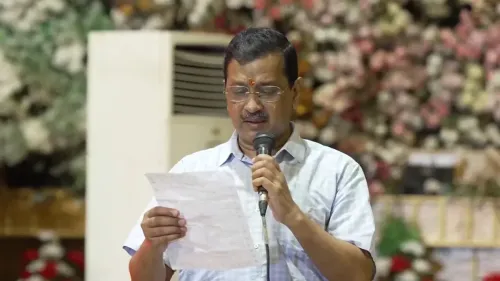
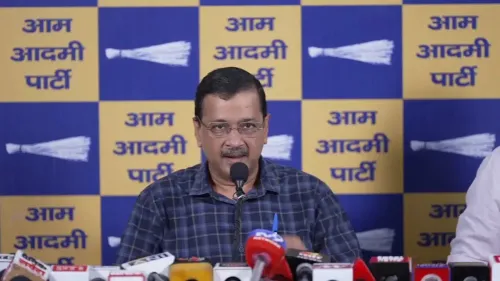
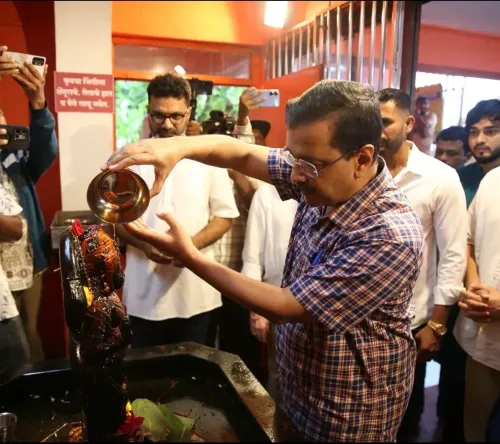
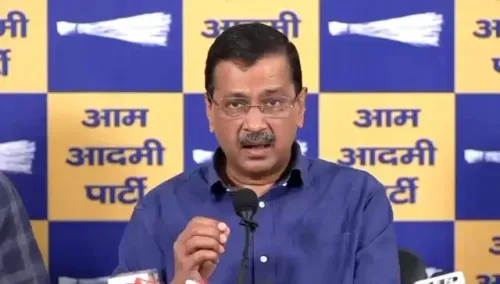
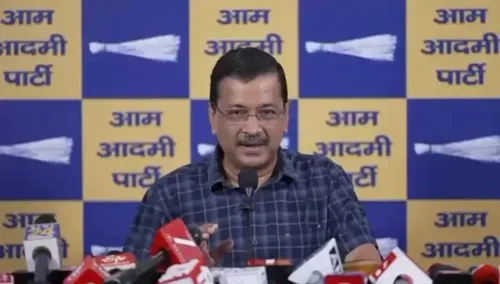
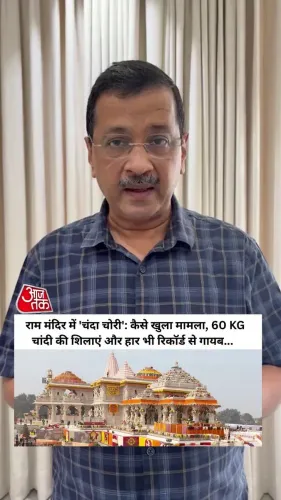
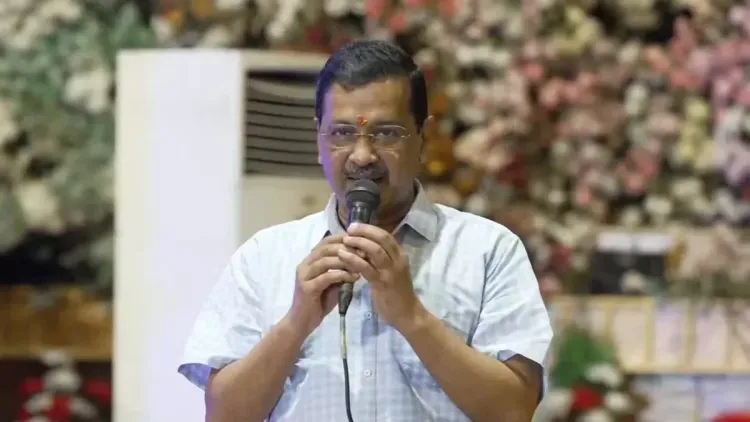
AAP convenor Arvind Kejriwal on Sunday, 12 July 2026, announced that he had organised a recitation of the Sunderkand and issued a letter addressed to Prime Minister Narendra Modi, vowing not to rest until those responsible for what he called 'a robbery at the house of our revered Lord Ram' face capital punishment. He simultaneously called on citizens across India to hold Hanuman Chalisa recitations, gather signatories, and submit the letter to the Prime Minister.
Context
In the post, Kejriwal said, 'Aaj poori duniya ke Ram bhakton mein bahut peeda hai' ('Today there is great anguish among Ram devotees across the world'). He framed the recitation of the Sunderkand — a chapter of the Ramcharitmanas associated with devotion and resolve — as an act of collective commitment rather than a routine religious observance. The letter to the Prime Minister, he said, flows from that same resolve.
Kejriwal urged followers: 'Organise Hanuman Chalisa recitations, invite people, and get everyone to sign this letter. This is our duty.' The appeal is directed at party workers and Ram devotees nationwide, and carries an explicit demand for the severest legal penalty against the alleged perpetrators.
Policy Backdrop
Indian political leaders across the spectrum have periodically invoked Ramayana texts and collective religious recitations to mobilise public sentiment on issues framed in religious or cultural terms. The Hanuman Chalisa in particular has served as a focal point for mass gatherings and petition drives in recent political history, cutting across party lines.
Kejriwal himself has previously invoked Ram-bhakti imagery in political messaging, but a formal letter to the Prime Minister backed by a nationwide signature drive represents a more structured escalation. The demand for capital punishment signals that AAP intends to frame the issue in the sharpest possible legal and moral terms.
Stakeholders and Impact
Ram devotees and AAP workers are the primary audiences for this mobilisation. The call to action — organising Hanuman Chalisa sessions and collecting signatures — is designed to create grassroots momentum that can be aggregated and presented to the Prime Minister's Office as a citizen mandate.
The appeal also places Prime Minister Modi, who has closely associated his government with the Ram Mandir project in Ayodhya, in the position of having to respond — or visibly not respond — to a letter invoking Lord Ram's name. For AAP, the campaign offers a way to stake a claim on religious sentiment that has historically been associated more with the ruling BJP.
What's Next
The immediate metric to watch is the scale of Hanuman Chalisa events organised in response to Kejriwal's call and the volume of signatures collected. Any formal acknowledgement or response from the Prime Minister's Office will determine whether the issue moves from street mobilisation to institutional dialogue.
If the signature drive gains significant traction, AAP is likely to use the collected letters as political capital ahead of upcoming electoral cycles. The campaign's longevity will depend on whether the underlying incident — described in the post but not independently detailed — receives wider public attention and official action.
Point of View
AAP is framing the issue as a test of Modi's personal commitment to Lord Ram rather than a matter of routine law enforcement. The signature-drive format is a classic mass-contact tool that doubles as a voter-data exercise. Whether this translates into durable political capital will hinge on the credibility and visibility of the underlying incident as it becomes clearer in public discourse.
NationPress
12 Jul 2026
Frequently Asked Questions
Why did Arvind Kejriwal recite the Sunderkand on 12 July 2026?
Kejriwal said the recitation was performed as a collective vow of resolve to ensure that those accused of 'robbing Lord Ram's house' receive the death penalty, framing it as a religious commitment rather than a routine prayer.
What does Kejriwal's letter to PM Modi demand?
The letter demands capital punishment for those alleged to have committed what Kejriwal described as a robbery at Lord Ram's abode, and calls on the Prime Minister to act on the matter.
What is AAP asking citizens to do in this campaign?
AAP is urging citizens across India to organise Hanuman Chalisa recitations, invite community members, and collect signatures on the letter addressed to Prime Minister Modi.
What is the Sunderkand and why is it significant here?
The Sunderkand is a chapter of the Ramcharitmanas associated with devotion, courage, and the power of Lord Hanuman; reciting it as a vow carries strong symbolic weight in Hindu religious tradition, which Kejriwal invoked to underscore the seriousness of his campaign.
Has the Prime Minister's Office responded to Kejriwal's letter?
As of the time of publication, no formal response from the Prime Minister's Office has been reported in connection with this letter.