Army Cheetah helicopter crashes in Ladakh's Tangste; all 3 aboard safe
Synopsis
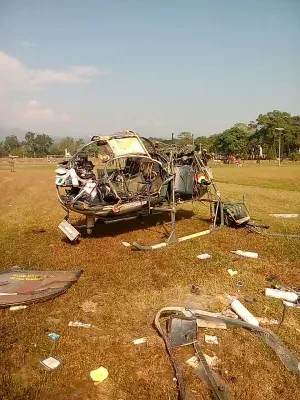
A Cheetah helicopter carrying a Major General and two other Army officers crashed in Ladakh's high-altitude Tangste area — and all three walked away with minor injuries. The incident is the latest in a string of more than 15 Cheetah and Chetak crashes over the past decade, putting fresh urgency on the Army's plan to replace the ageing fleet with HAL-built Light Utility Helicopters within the next two years.
Key Takeaways
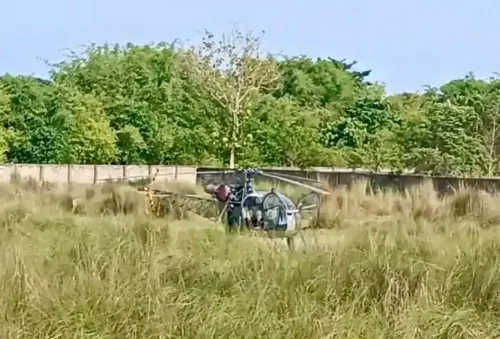
An Indian Army HAL Cheetah helicopter crashed in Tangste, Ladakh on Wednesday ; the incident was confirmed publicly on Saturday, 23 May .
Major General Sachin Mehta , commander of the 3 Infantry Division , was on board as a passenger alongside a Lieutenant Colonel and a Major .
All three officers survived with minor injuries ; no fatalities were reported.
A formal technical and operational enquiry has been initiated to determine the cause.
More than 15 Cheetah and Chetak helicopters have crashed over the past decade, prompting an Army plan to phase out the fleet within one to two years .
The Army requires approximately 250 Light Utility Helicopters (LUHs) ; orders for six limited-series-production LUHs from HAL have already been placed.
An Indian Army Cheetah helicopter crashed in the rugged Tangste area of Ladakh on Wednesday, with all three occupants — including a Major General — escaping with minor injuries in what officials have described as a remarkable survival given the high-altitude terrain. The incident was confirmed publicly on Friday and formally reported on Saturday, 23 May.
Who Was on Board
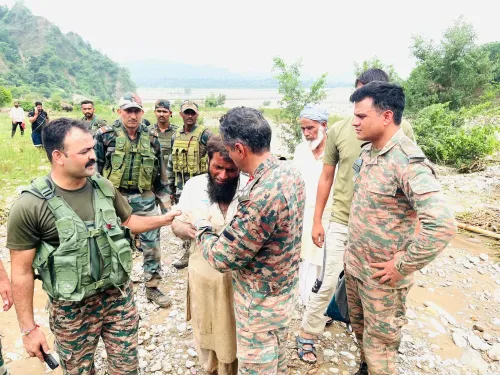
The single-engine HAL Cheetah helicopter was being operated by a Lieutenant Colonel and a Major, with Major General Sachin Mehta — commander of the 3 Infantry Division — travelling as a passenger. All three officers sustained only minor injuries and no fatalities occurred, according to officials familiar with the details.
What Happened and What Is Known
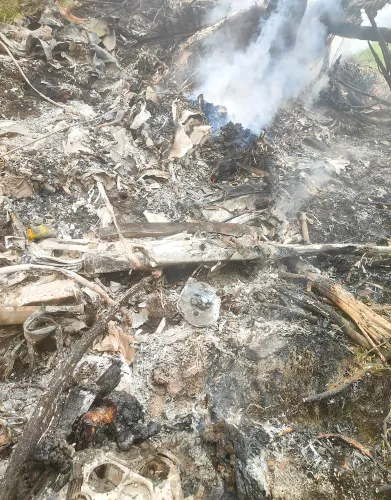
The aircraft went down over the high-altitude mountainous terrain of Tangste during a routine flight. The specific cause of the crash is currently under investigation, and the Army has initiated a formal technical and operational enquiry to determine the circumstances that led to the incident. Officials have not yet attributed the crash to any single factor.
The Ageing Cheetah Fleet Under Scrutiny
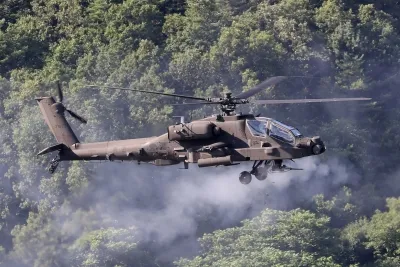
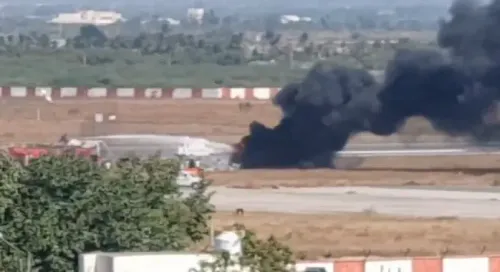
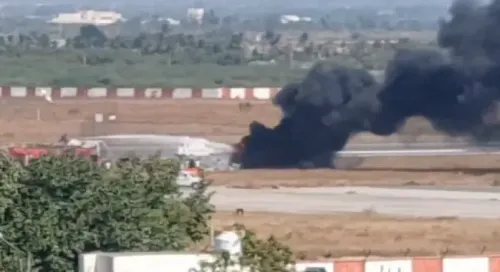
The Cheetah, a licenced version of the French Alouette III, has been a cornerstone of Indian Army aviation — particularly in forward and high-altitude zones such as the Siachen glacier. However, the fleet has faced persistent safety concerns. Over the past decade, more than 15 Cheetah and Chetak helicopters have been involved in crashes, resulting in the loss of several pilots. This latest incident has renewed pressure on the Army to accelerate fleet modernisation.
The Replacement Plan: Light Utility Helicopters
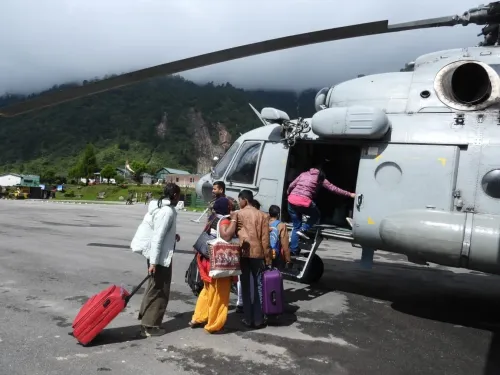
The Indian Army has already outlined a phased modernisation plan for its Army Aviation Corps. The Cheetah and Chetak fleets are slated to begin phase-out within the next one to two years, with new-generation Light Utility Helicopters (LUHs) to be inducted gradually over eight to ten years. The Army requires approximately 250 LUHs to meet its operational needs, and has adopted a dual procurement strategy combining indigenous development with short-term leasing to bridge capability gaps.
Hindustan Aeronautics Limited (HAL) is central to this transition. The Army has already placed orders for six limited-series-production LUHs, engineered to achieve a top speed of 220 kmph, a service ceiling of 6.5 km, and an operational range of 350 km. Army officials have maintained that the existing Cheetah fleet retains a limited technical service life and remains airworthy, even as the case for urgent replacement grows stronger.
Strategic Context
The crash comes at a time when India's armed forces are accelerating the induction of advanced rotary-wing platforms, particularly for operations in the strategically sensitive Ladakh sector. The region's extreme altitude and terrain place exceptional demands on both aircraft and crews, making fleet renewal not just a procurement priority but an operational safety imperative. This is the latest in a series of incidents underscoring the urgency of that transition.
Point of View
But the incident should not be allowed to obscure the systemic risk. More than 15 Cheetah and Chetak crashes in a decade is not a streak of bad luck — it is a fleet-life problem, and the Army has known it for years. The phased LUH induction plan is the right response, but 'one to two years to begin phase-out' with a full replacement horizon of eight to ten years means ageing aircraft will keep flying high-altitude missions well into the next decade. In a theatre as unforgiving as Ladakh, that is a risk that deserves harder scrutiny than it typically receives.
NationPress
24 Sept 2026
Frequently Asked Questions
What happened to the Indian Army Cheetah helicopter in Ladakh?
An Indian Army HAL Cheetah helicopter crashed in the Tangste mountainous area of Ladakh on Wednesday, 21 May 2025. All three occupants — Major General Sachin Mehta and two other officers — survived with minor injuries, and a formal enquiry has been initiated to determine the cause.
Who was on board the Cheetah helicopter that crashed in Tangste?
The helicopter was operated by a Lieutenant Colonel and a Major, with Major General Sachin Mehta, commander of the 3 Infantry Division, travelling as a passenger. All three escaped with only minor injuries.
Why has the Cheetah helicopter fleet been under scrutiny?
The Cheetah fleet, a licenced version of the French Alouette III, has been involved in more than 15 crashes alongside Chetak helicopters over the past decade, resulting in the loss of several pilots. The repeated incidents have intensified calls for the fleet to be replaced with modern Light Utility Helicopters.
What is the Indian Army's plan to replace the Cheetah helicopter?
The Army plans to begin phasing out the Cheetah and Chetak fleets within one to two years, replacing them with new-generation Light Utility Helicopters over eight to ten years. It requires approximately 250 LUHs and has already ordered six limited-series-production units from Hindustan Aeronautics Limited (HAL).
What are the specifications of the replacement Light Utility Helicopter?
The HAL-developed LUH is designed to reach a top speed of 220 kmph, a service ceiling of 6.5 km, and an operational range of 350 km — specifications suited to high-altitude operations in regions like Ladakh and Siachen.