Kargil Vijay Diwas 2025: Army Chief vows to fly India's flag higher
Synopsis
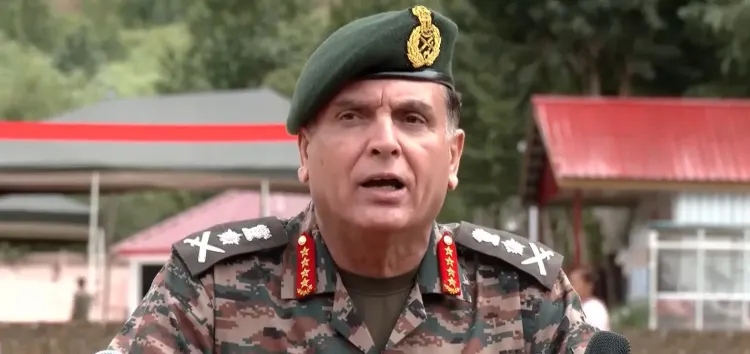
On the 27th anniversary of Kargil Vijay Diwas, Army Chief General Dhiraj Seth stood at the Kargil War Memorial in Drass and recited a soldier's poem in tribute to 527 martyrs — then pledged that the Indian Army would make India's flag fly even higher. It was a rare moment of personal emotion from a service chief, underscoring how deeply the 1999 victory continues to shape the Army's identity.
Key Takeaways
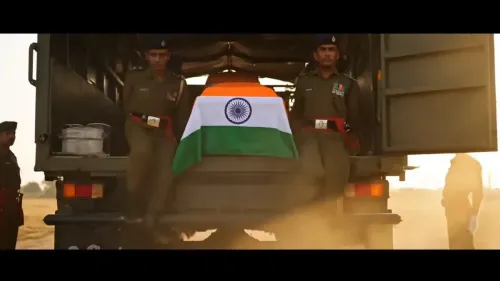
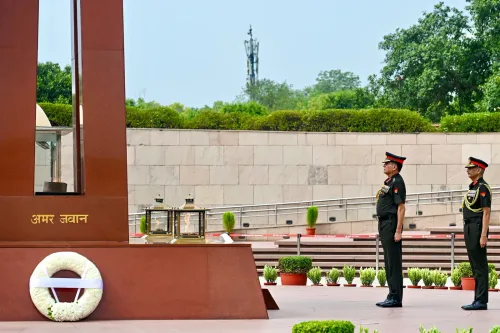
Army Chief General Dhiraj Seth paid tribute to Kargil martyrs at the Kargil War Memorial, Drass on 26 July , the 27th anniversary of Kargil Vijay Diwas .
General Seth recited a poem composed by soldiers of his own unit, honouring the fallen.
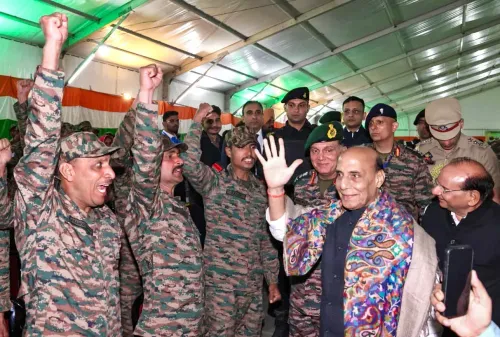
Defence Minister Rajnath Singh also addressed the gathering, calling the 1999 Pakistani infiltration a 'cowardly and insidious attack.' The day honours 527 soldiers who lost their lives during Operation Vijay , fought at altitudes above 5,000 metres .
The 1999 Kargil War remains the only conventional conflict between two nuclear-armed states; Indian forces prevailed without crossing the Line of Control .
Army Chief General Dhiraj Seth on 26 July paid solemn tribute to the martyrs of the 1999 Kargil War at the Kargil War Memorial in Drass, Ladakh, marking the 27th anniversary of Kargil Vijay Diwas. Addressing reporters after the commemoration, he pledged that the Indian Army would, in his words, 'make the pride of the country fly even higher' in the years ahead.
Army Chief's Tribute and Address
Speaking at the event in Drass, General Seth said, “On the 27th anniversary of Kargil Vijay Diwas, here, by my own presence, I feel a kind of new energy, a new pride, within myself. On this occasion, I humbly pay tribute to our brave and heroic martyrs, and along with that, I also bow with affection and respect to their families.”
He also acknowledged the presence of Defence Minister Rajnath Singh, calling it “a very important source of inspiration for the Indian Army in the times to come.”
General Seth recited a poem composed by soldiers of his own unit: 'Marna sabhi ko hai, tum bhale mare... karke namak halal, ladte hue gire, bhuloge aap nahi jo chip gayi shakal, safed jamin par naam hua tumhara atal.' He described the composition as a true reflection of the heroes of Kargil, adding that “the warriors of the Indian Army are so far ahead in the world compared to the soldiers of any army that they cannot even be compared.”
Defence Minister Rajnath Singh's Remarks
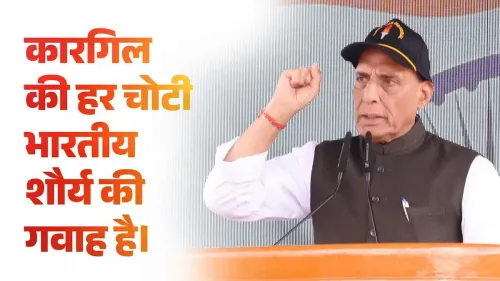
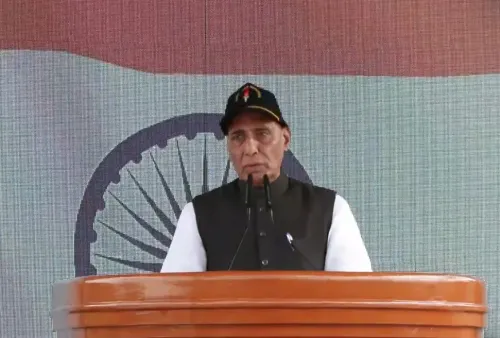
Earlier in the day, Defence Minister Rajnath Singh addressed the gathering at the Kargil War Memorial, reflecting on the nature of the 1999 conflict. “The Tricolour that flutters so proudly atop the Kargil War Memorial comes at a tremendous cost to its honour, pride, and glory. Exactly 27 years ago from today, in this very July of 1999, a cowardly and insidious attack was launched on our motherland,” he said.
Singh noted that Pakistan, through infiltrating army intruders, had seized peaks left unoccupied during winter — but ultimately misjudged the resolve of the Indian Army. “Our soldiers not only scaled the mountain heights but also transcended every definition of human limits,” he added.
The Significance of Kargil Vijay Diwas
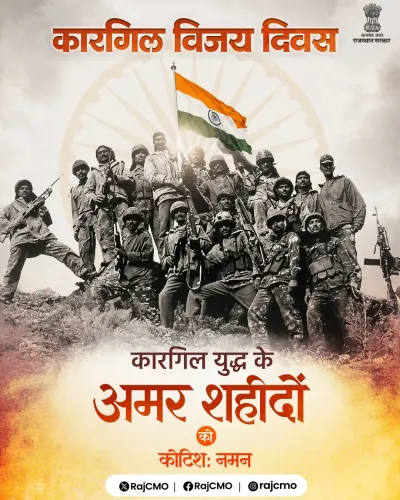
The 27th anniversary honours the 527 soldiers who made the supreme sacrifice during Operation Vijay. The Kargil conflict, fought between May and July 1999, remains the only conventional war between two nuclear-armed neighbours. Battles were waged at altitudes exceeding 5,000 metres across the mountainous sectors of Kargil, Drass, Batalik, Mushkoh, and Kaksar in Ladakh.
Notably, Indian forces drove out Pakistani intruders without crossing the Line of Control (LoC) — a restraint that earned widespread international recognition for military professionalism.
A Defining Moment in India's Defence History
Over the past 27 years, the Kargil victory has come to symbolise far more than a battlefield triumph. It reshaped India's defence preparedness, strategic planning, and national security architecture. This comes amid ongoing efforts to modernise the armed forces and strengthen infrastructure along the Line of Actual Control (LAC) and the LoC. The anniversary serves as both a memorial and a reminder of the high-altitude warfare capabilities that India has continued to develop since 1999.
As the nation reflects on the sacrifices of Operation Vijay, the Army Chief's pledge signals that the institutional memory of Kargil continues to drive the Indian Army's sense of purpose and preparedness going forward.
Point of View
Not just performed. Yet the anniversary also arrives at a moment when India's northern borders demand the same quality of resolve that 1999 demanded: the Army's pledge to 'fly the flag higher' will be measured not in speeches at memorials but in the infrastructure, equipment, and doctrine it fields along the LAC and LoC in the years ahead.
NationPress
24 Oct 2026
Frequently Asked Questions
What is Kargil Vijay Diwas and why is it observed on 26 July?
Kargil Vijay Diwas is observed every year on 26 July to mark India's victory in the 1999 Kargil War, when Operation Vijay officially concluded and Pakistani intruders were driven off Indian peaks. The day honours the 527 soldiers who lost their lives during the conflict.
What did Army Chief General Dhiraj Seth say at Drass?
General Seth paid tribute to the Kargil martyrs and their families, recited a poem composed by soldiers of his own unit, and pledged that the Indian Army would 'make the pride of the country fly even higher' in the coming years. He also praised the presence of Defence Minister Rajnath Singh as a source of inspiration for the Army.
What did Defence Minister Rajnath Singh say at the Kargil War Memorial?
Rajnath Singh described the 1999 Pakistani infiltration as a 'cowardly and insidious attack' that exploited peaks left unoccupied in winter. He said the enemy failed to gauge the valour of Indian soldiers, who scaled mountain heights and 'transcended every definition of human limits.'
How many soldiers died in the 1999 Kargil War?
According to official figures, 527 Indian soldiers lost their lives during Operation Vijay. The conflict was fought between May and July 1999 at altitudes exceeding 5,000 metres across Kargil, Drass, Batalik, Mushkoh, and Kaksar in Ladakh.
Why is the Kargil War historically significant?
The 1999 Kargil conflict is the only conventional war fought between two nuclear-armed nations. India's victory — achieved without crossing the Line of Control — earned international recognition and fundamentally reshaped the country's defence preparedness and national security framework.