Rajnath Singh at Kargil Vijay Diwas: 500+ martyrs' sacrifice will never be forgotten
Synopsis
Rajnath Singh's address at Drass on Kargil Vijay Diwas went beyond ritual commemoration — invoking brides who lost their Sindoor, mothers who lost their sight waiting, and children who knew their fathers only from photographs. With over 500 martyrs and a war fought at 18,000 feet, the 26th anniversary was a reminder that India's strategic victories carry a human ledger that no ceremony can fully settle.
Key Takeaways
Defence Minister Rajnath Singh addressed the Kargil War Memorial in Drass on 26 July 2025 , marking the 26th Kargil Vijay Diwas .
More than 500 soldiers lost their lives in the 1999 Kargil War ; many were aged just 22, 24, and 26 years .
Singh paid tribute to Captain Manoj Pandey and Captain Vikram Batra , calling them part of India's enduring heritage.
Pakistan's forces exploited winter vacancy of high-altitude peaks; Singh said the enemy 'failed to gauge the heights of our Army's valour.' The two-day commemoration began on 25 July , attended by veterans, martyrs' families, military commanders, and civil dignitaries.
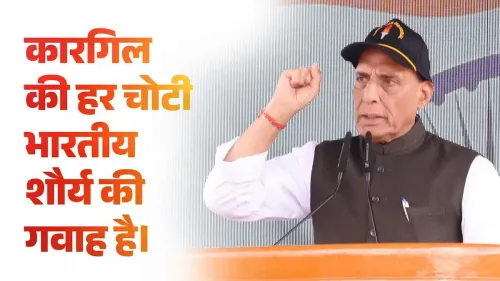
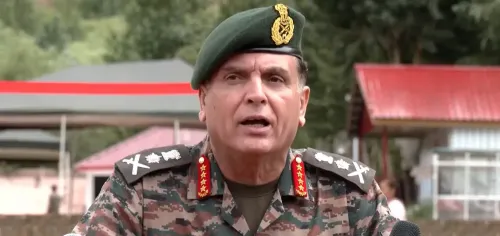
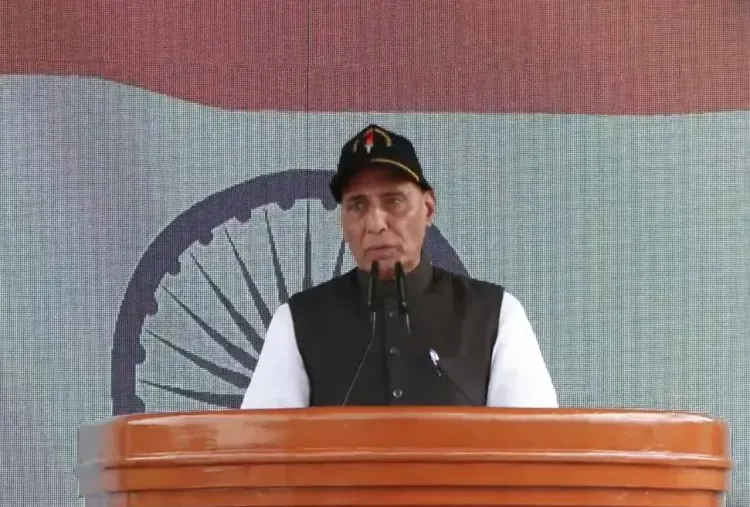
Defence Minister Rajnath Singh on Sunday, 26 July 2025, paid solemn tribute to the soldiers of the 1999 Kargil War at the Kargil War Memorial in Drass, marking the 26th Kargil Vijay Diwas. Addressing a gathering of veterans, martyrs' families, and senior military commanders, Singh reflected on Pakistan's miscalculation of Indian Army resolve and the irreplaceable human cost of victory.
The Price of the Tricolour
Speaking at the memorial, Singh said, 'The Tricolour that flutters so proudly atop the Kargil War Memorial comes at a tremendous cost to its honour, pride, and glory. Exactly 27 years ago from today, in this very July of 1999, a cowardly and insidious attack was launched on our motherland.' He described how Pakistan's forces exploited the winter vacancy of high-altitude peaks through 'deceit and trickery,' only to be repulsed by soldiers who, in his words, 'not only scaled the mountain heights but also transcended every definition of human limits.'
More than 500 soldiers laid down their lives in the conflict. Singh painted a stark picture of grief: 'Some newly weds who lost their Sindoor, some mothers who lost their eyesight waiting for their son, some children who had only seen their fathers in pictures.' He noted that many of those martyrs were aged just 22, 24, and 26 years — young men who, he said, dedicated their every dream to the nation 'without the slightest hesitation.'
Honouring the Heroes
Singh invoked the names of Captain Manoj Pandey and Captain Vikram Batra — two of the war's most celebrated officers — stating that their stories of bravery are passed down by mothers to their children to this day. 'We have preserved these heroes as our heritage, and generations yet unborn will continue to draw inspiration from their valour,' he said.
The Defence Minister described the Kargil War as not merely a military and strategic victory for India, but a 'testament of valour of the Indian Armed Forces presented before the entire world' — a framing that underscores the war's enduring place in India's national identity.
The Commemoration at Drass
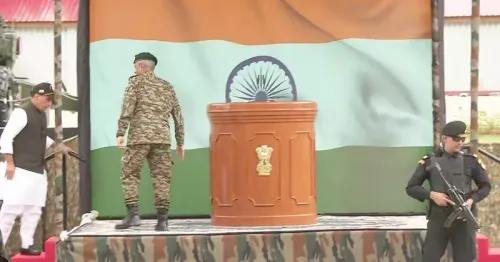
The two-day Kargil Vijay Diwas programme commenced on Saturday, 25 July, at the Kargil War Memorial in Drass, the town closest to the Line of Control where some of the war's fiercest battles were fought. The annual event draws senior military commanders, veterans, families of martyrs, civil dignitaries, and government representatives from across the country.
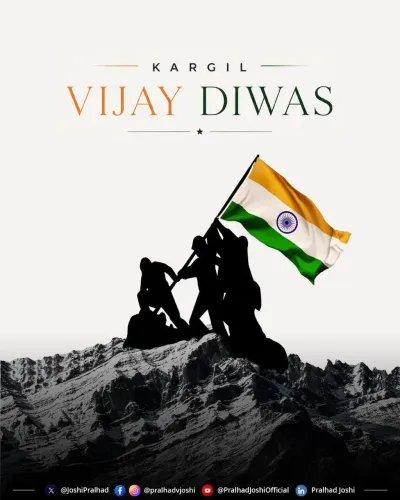
This year's observance carries particular weight as India marks 26 years since Operation Vijay concluded on 26 July 1999, formally restoring Indian control over all occupied peaks along the Kargil sector.
Why Kargil Vijay Diwas Matters
The Kargil conflict remains one of the most strategically significant military engagements in post-independence India, fought at altitudes exceeding 18,000 feet under extreme conditions. The annual commemoration serves not only as a memorial but as a reaffirmation of India's military doctrine and the civilian society's bond with its armed forces. As families of the fallen continue to seek recognition and welfare support, Kargil Vijay Diwas remains a live policy moment — not merely a ceremonial one.
Point of View
But Singh's invocation of grieving mothers, widowed brides, and fatherless children signals an attempt to reconnect the commemoration with its raw human cost — not just its strategic triumph. That framing matters: welfare gaps for Kargil veterans' families remain an unresolved policy issue, and no amount of oratory substitutes for structural support. The naming of Vikram Batra and Manoj Pandey is also politically deliberate — their stories are deeply embedded in popular culture, making them more effective as national symbols than abstract casualty numbers. The real test of Kargil Vijay Diwas as an institution is whether it drives policy outcomes for surviving families, or remains a solemn but consequence-free ritual.
NationPress
24 Oct 2026
Frequently Asked Questions
What is Kargil Vijay Diwas and why is it observed on 26 July?
Kargil Vijay Diwas is observed every year on 26 July to mark India's victory in the 1999 Kargil War, when Operation Vijay formally concluded and Indian forces recaptured all occupied peaks along the Kargil sector. The day honours the more than 500 soldiers who made the supreme sacrifice during the conflict.
What did Rajnath Singh say at the Kargil War Memorial in Drass?
Defence Minister Rajnath Singh said Pakistan resorted to 'deceit and trickery' by occupying peaks left vacant in winter, but underestimated Indian Army resolve. He recalled the grief of martyrs' families — mothers, young widows, and children who knew their fathers only from photographs — and paid tribute to Captain Manoj Pandey and Captain Vikram Batra.
How many Indian soldiers died in the 1999 Kargil War?
According to Singh's address at the Kargil War Memorial, more than 500 Indian soldiers laid down their lives during the 1999 Kargil War. Many of those martyrs were in their early twenties at the time of their sacrifice.
Where is the Kargil War Memorial and why is Drass significant?
The Kargil War Memorial is located in Drass, a town in the Kargil district of Ladakh, close to the Line of Control where some of the war's most intense battles were fought at altitudes exceeding 18,000 feet. It serves as the primary site for national commemorations on Kargil Vijay Diwas.
Who attends the Kargil Vijay Diwas commemoration?
The annual event at Drass is attended by senior military commanders, war veterans, families of martyrs, civil dignitaries, and government representatives. The two-day programme in 2025 commenced on 25 July, with the main ceremony held on 26 July.