Shillong violence: Army, RAF flag march as Assam-Meghalaya tensions flare
Synopsis
Four days after KSU protesters allegedly attacked Assam-registered tourist vehicles in Shillong, the Army and RAF are marching through the Meghalaya capital, the Centre has deployed five companies of central forces, and Jorabat — the arterial crossing between two states — has become a flashpoint. A ministerial-level meeting in Guwahati signals how quickly a student-union protest has escalated into a bilateral crisis.
Key Takeaways
The Army and RAF conducted a flag march in Shillong on 23 August after violence during a KSU rally on 19 August .
Vehicles carrying Assam tourists were allegedly attacked; windows smashed and some tourists reportedly injured.
The Centre approved deployment of five companies of central armed forces in Meghalaya.
Three KSU office-bearers — president Raymond Kharjana, VP Pynkmenlang Sanmiet, and general secretary Reuben Najiar — were arrested.
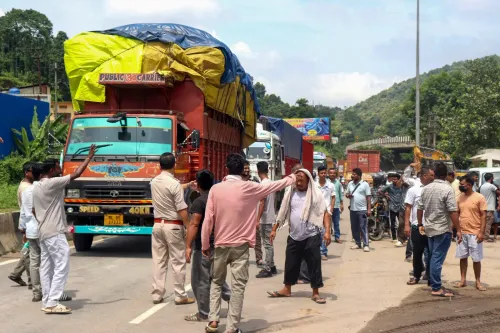
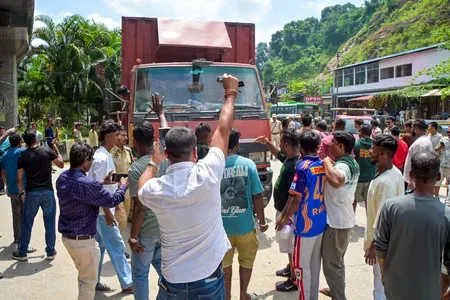
Protests at Jorabat entered a third day, with demonstrators blocking Meghalaya-registered vehicles from entering Assam.
AJYCP threatened an economic blockade and action against Meghalaya residents in Assam if attacks continued.
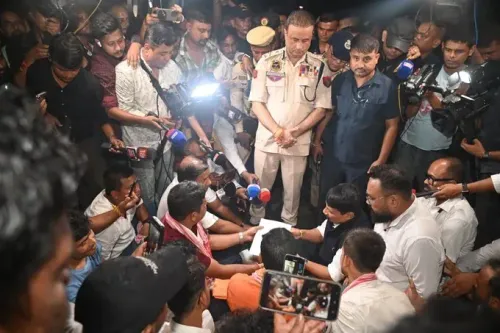
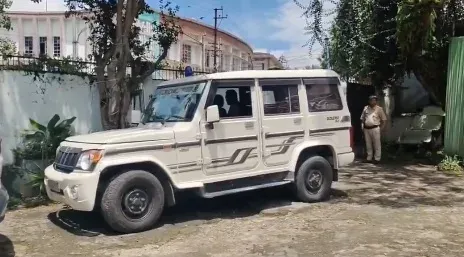
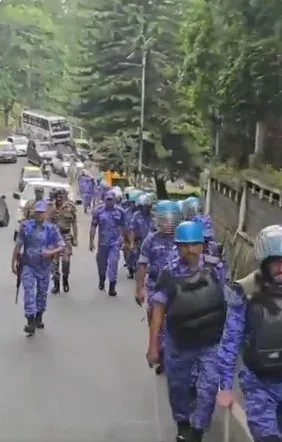
The Army and Rapid Action Force (RAF) conducted a flag march through Shillong on 23 August as security was significantly tightened across the Meghalaya capital, following violence that erupted during a Khasi Students' Union (KSU) rally on 19 August, officials said. The deployment came amid sustained tensions after vehicles carrying tourists from Assam were allegedly attacked during a KSU black-flag protest, triggering a cross-border standoff between the two northeastern states.
What Happened on 19 August
During the KSU protest in Shillong, several vehicles were vandalised — windows and windshields smashed — while some tourists were reportedly injured. Public property was also damaged in the violence. Three senior KSU office-bearers — president Raymond Kharjana, vice president Pynkmenlang Sanmiet, and general secretary Reuben Najiar — were arrested late Wednesday in connection with the incident.
Centre Steps In, Deploys Central Forces
The Centre approved the deployment of five companies of central armed forces in Meghalaya to assist the state police in maintaining law and order. The flag march by the Army and RAF through Shillong's streets was intended to reassure residents and deter further unrest. Heavy police and reserve personnel were also deployed at Jorabat, the key entry point between Assam and Meghalaya, to prevent fresh incidents.
High-Level Meeting in Guwahati
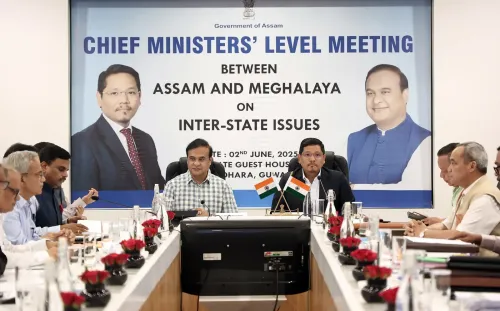
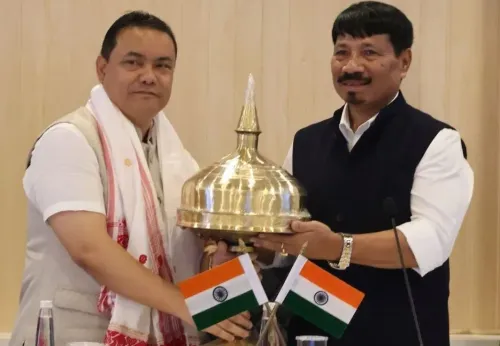
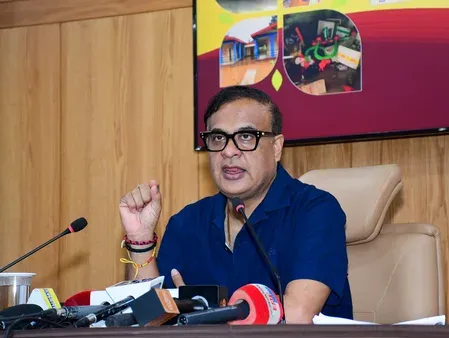
Assam Border Protection and Development Minister Atul Bora and Meghalaya Deputy Chief Minister Sniawbhalang Dhar held a high-level meeting with senior officials of both states in Guwahati on Saturday to assess the situation and discuss steps to prevent further escalation. Bora described the Shillong incident as 'unwarranted and unfortunate' and said Assam Chief Minister Himanta Biswa Sarma had acted promptly after the violence. He added that Sarma spoke to Meghalaya Chief Minister Conrad K. Sangma, who subsequently asked Dhar to engage with Assam and explore measures to restore peace and ensure smooth movement between the two states.
Protests at Jorabat and Counter-Threats in Assam
The Shillong violence triggered protests by motor vehicle workers' unions in Assam. Demonstrations at Jorabat began the following day, with protesters stopping Meghalaya-registered vehicles from entering Assam and, in some cases, forcing them to turn back. The protests continued for a third consecutive day on Friday, with demonstrators demanding compensation for damaged vehicles and a formal apology from authorities. The Asom Jatiyatabadi Yuba Chatra Parishad (AJYCP) escalated rhetoric further, calling for an economic blockade and warning of action against Meghalaya residents in Assam if attacks on Assamese people in Shillong continued.
What Happens Next
Authorities in both states are now working to contain tensions, prevent retaliatory incidents, and ensure uninterrupted movement of people and vehicles across the border. Bora appealed to citizens on both sides to maintain peace and harmony, citing the longstanding ties between Assam and Meghalaya. With central forces now on the ground and diplomatic engagement underway at the ministerial level, the situation remains tense but is being closely monitored.
Point of View
Central force deployment, and counter-blockade threats at Jorabat reveals how thin the peace dividend is between the two states. The AJYCP's economic blockade warning is particularly concerning: if acted upon, it risks punishing ordinary Meghalaya residents for the actions of a student body, deepening grievance rather than resolving it. Both governments now face the harder task of addressing the underlying tensions — not just managing the immediate optics of flag marches and high-level meetings.
NationPress
7 Oct 2026
Frequently Asked Questions
What triggered the Shillong violence on 19 August 2025?
Violence broke out during a Khasi Students' Union (KSU) black-flag protest rally in Shillong on 19 August, when vehicles carrying tourists from Assam were allegedly attacked. Several vehicles were vandalised with windows and windshields smashed, and some tourists were reportedly injured.
Who has been arrested in connection with the Shillong violence?
Three senior KSU office-bearers were arrested late Wednesday: president Raymond Kharjana, vice president Pynkmenlang Sanmiet, and general secretary Reuben Najiar. They were taken into custody in connection with the violence during the 19 August rally.
What security measures have been deployed in Shillong and at Jorabat?
The Army and RAF conducted a flag march in Shillong, and the Centre approved the deployment of five companies of central armed forces in Meghalaya to support state police. Heavy police and reserve personnel were also positioned at Jorabat to prevent fresh violence at the Assam-Meghalaya border crossing.
What is happening at Jorabat and why does it matter?
Jorabat is the primary entry point between Assam and Meghalaya. Following the Shillong violence, motor vehicle workers' unions in Assam began stopping Meghalaya-registered vehicles from crossing into Assam. Protests entered a third consecutive day on Friday, with demonstrators demanding compensation for damaged vehicles and a formal apology from authorities.
What steps are both state governments taking to ease tensions?
Assam Border Protection Minister Atul Bora and Meghalaya Deputy Chief Minister Sniawbhalang Dhar held a high-level meeting in Guwahati on Saturday to discuss de-escalation steps. Assam CM Himanta Biswa Sarma also spoke directly with Meghalaya CM Conrad K. Sangma, who subsequently directed Dhar to engage with Assam on restoring peace and ensuring free movement between the states.