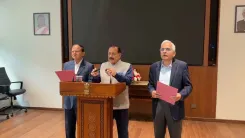
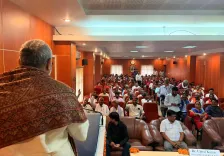
Army Sports Institute Pune Takes Sport to Tawang's Young Athletes
Synopsis
The Army Sports Institute, Pune, visited Tawang in Arunachal Pradesh on 30 October 2026, meeting young athletes and coaches to inspire sporting excellence — adding institutional muscle to the Northeast's growing talent pipeline.
Key Takeaways
The Army Sports Institute (ASI), Pune team visited Tawang, Arunachal Pradesh on 30 October 2026 .
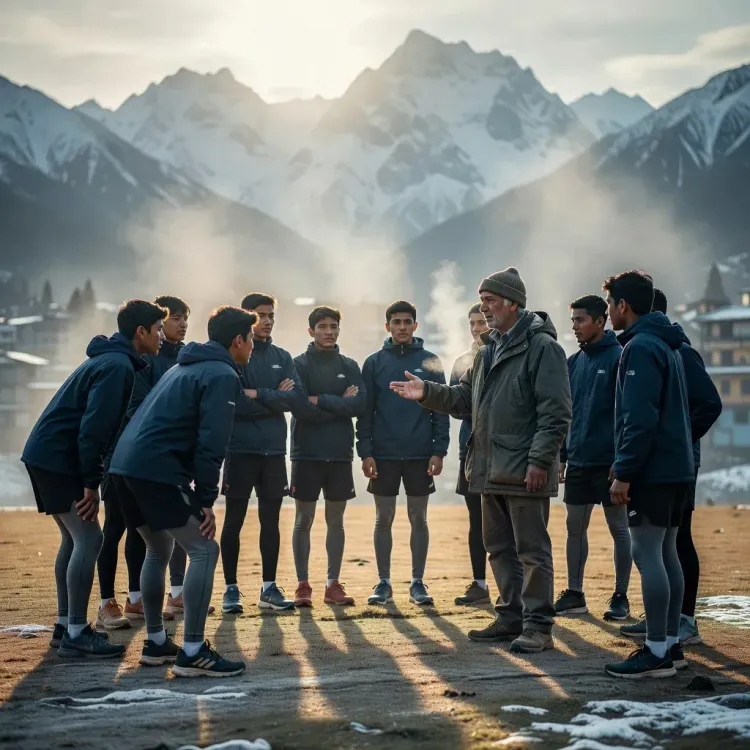
The delegation interacted with young sportspersons and encouraged them to pursue excellence in sports.
The visit explicitly recognised the contribution of local coaches and Arunachal's sporting talent.
ASI outreach to border districts is part of a broader Indian Army community engagement pattern in the Northeast.
The Khelo India scheme, launched in 2017 , provides a parallel government pathway for talent identification in northeastern states.
Arunachal Pradesh has previously contributed athletes to national camps in archery, boxing, and athletics.
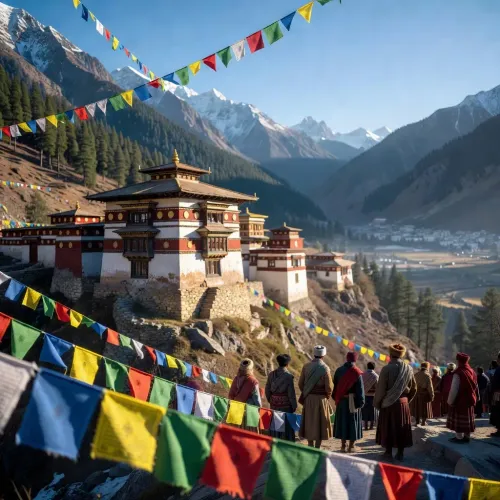
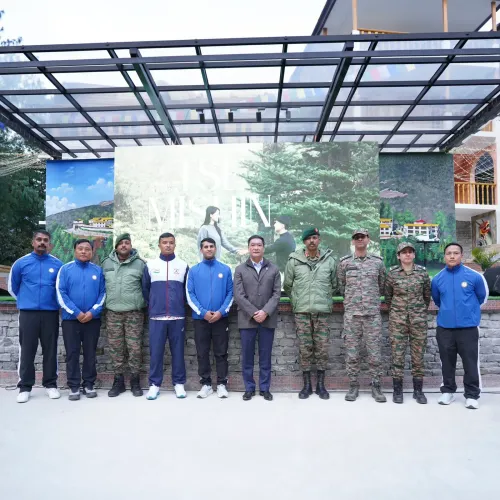
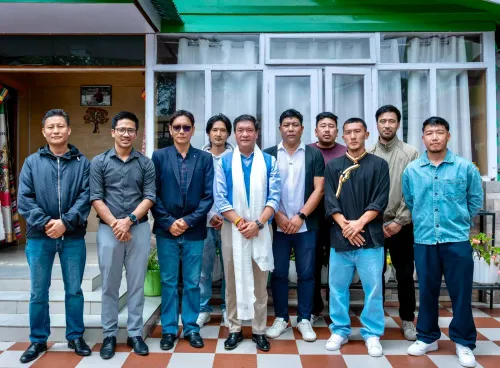
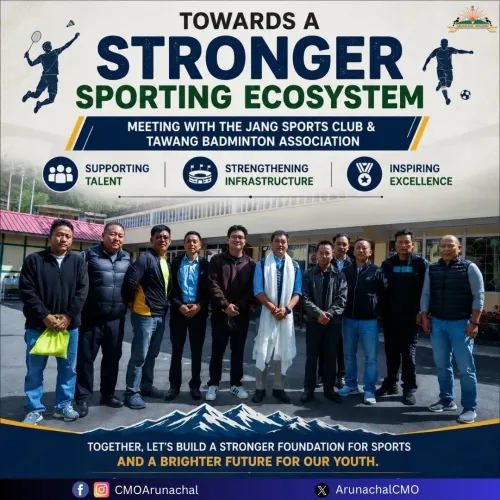
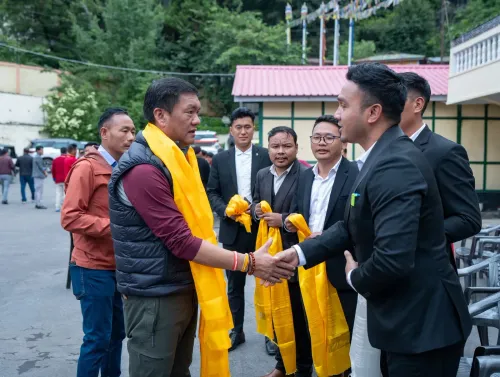
At the foot of the Himalayas, where India's border meets the sky, a delegation from the Army Sports Institute (ASI), Pune arrived in Tawang, Arunachal Pradesh, to meet the next generation of Indian athletes — face to face, on their home ground.
The Chief Minister's Office of Arunachal Pradesh confirmed the visit on Friday, 30 October 2026, noting that the ASI team interacted with young sportspersons in Tawang, encouraging them to chase excellence. The visit also shone a light on the contribution of local coaches and the depth of sporting talent the region already possesses.
ASI's reach into India's frontier
The Army Sports Institute, headquartered in Pune, is the Indian Army's premier sports training institution — a factory that has shaped national and international competitors across disciplines. Its outreach to border districts like Tawang is part of a steady pattern: Army units stationed along the Line of Actual Control have long run sports clinics and talent-spotting drives as community engagement in the Northeast. This visit follows that tradition, but with the added institutional weight of ASI's national mandate.
Tawang's sporting potential meets structured pathways
Tawang — famed for its 17th-century monastery and its strategic position bordering China and Bhutan — carries an often-overlooked athletic tradition. Arunachal Pradesh has fed national camps in archery, boxing, and athletics in recent years, and the state's young population is increasingly visible on competitive circuits. The ASI team's interaction adds a credible institutional voice to that momentum, one that coaches in remote districts rarely get direct access to.
Central government support runs parallel through the Khelo India scheme, launched in 2017, which includes dedicated talent identification and training components for northeastern states. Together, the Army's ground-level outreach and Khelo India's structured pathways create a two-lane road for gifted athletes in districts like Tawang to move toward residential academies and competitive selection.
What the coaches' recognition signals
Notably, the CMO's post did not just spotlight the athletes — it explicitly acknowledged the contribution of coaches. That framing matters. Local coaching in frontier districts operates with minimal resources and recognition; a high-profile institutional visit that names their work publicly is a form of validation that can encourage retention. The best talent pipelines fail without coaches who stay. Tawang's are being seen.
The next question is whether this visit translates into selection trails for ASI or Khelo India residential academies — and whether Tawang's young sportspersons get a direct shot at the pathway the Institute has now personally outlined for them.
Point of View
The Army reinforces its community presence while the central government's Khelo India scheme provides the civilian scaffolding. The explicit acknowledgment of local coaches in the CMO's communication also signals a maturing of northeastern sports policy: talent identification means little without sustainable local coaching ecosystems. Whether this visit produces measurable selection outcomes will determine if it is genuinely developmental or primarily symbolic.
NationPress
30 Oct 2026
Frequently Asked Questions
What is the Army Sports Institute (ASI) in Pune?
The Army Sports Institute (ASI) in Pune is the Indian Army's premier sports training institution that trains service athletes and conducts outreach to identify and develop sporting talent in civilian populations, including border and northeastern districts.
Why did ASI visit Tawang in Arunachal Pradesh?
The ASI Pune team visited Tawang to interact with young sportspersons, encourage them to pursue excellence in sports, and highlight the contribution of local coaches and existing sporting talent in the region.
What is the Khelo India scheme and how does it help Arunachal Pradesh?
Khelo India is a central government sports development scheme launched in 2017 that includes dedicated components for talent identification and training in northeastern states like Arunachal Pradesh, providing structured pathways to residential academies and competitive selection.
What sports talent has Arunachal Pradesh produced?
Arunachal Pradesh has contributed athletes to national training camps in archery, boxing, and athletics in recent years, with Tawang and other districts recognized as sources of emerging sporting talent.
Where is Tawang located and why is it significant?
Tawang is a district in Arunachal Pradesh situated near the Line of Actual Control with China. It is home to a 17th-century monastery and is considered strategically important, making community outreach programmes like the ASI visit especially significant.