Arunachal Cabinet Clears Uniform Recruitment Norms for Group A, B, C Posts
Synopsis
The Pema Khandu-led Arunachal Pradesh Cabinet has approved uniform eligibility criteria for direct recruitment to Group A, B and C posts, aiming to bring fairness and transparency to state government hiring for youth across the state.
Key Takeaways
The Arunachal Pradesh State Cabinet , chaired by CM Pema Khandu , approved uniform eligibility criteria for direct recruitment on 14 August 2026 .
The new framework covers Group A, B and C posts — spanning gazetted officers to non-gazetted state government staff.
The decision aims to make recruitment 'fair, transparent and inclusive' for the youth of Arunachal Pradesh .
Arunachal has periodically revised recruitment rules since the 2000s to reduce litigation and discretionary practices in public hiring.
Exact eligibility criteria, modifications to reservation policies, and rollout timelines have not yet been made public.
A single, consistent eligibility yardstick for every government job seeker in Arunachal Pradesh — that is what the state cabinet delivered on Friday, 14 August 2026, just as the nation marked the eve of Independence Day. The Chief Minister's Office of Arunachal Pradesh announced that the Pema Khandu-led State Cabinet has approved uniform eligibility criteria for direct recruitment to Group A, B and C posts across the state government.
The decision promises a recruitment framework the cabinet describes as 'fair, transparent and inclusive' — words that carry real weight in a state where inconsistent eligibility rules have historically triggered litigation and grievances among job aspirants.
What 'Uniform Eligibility' Actually Means for Arunachal's Job Seekers
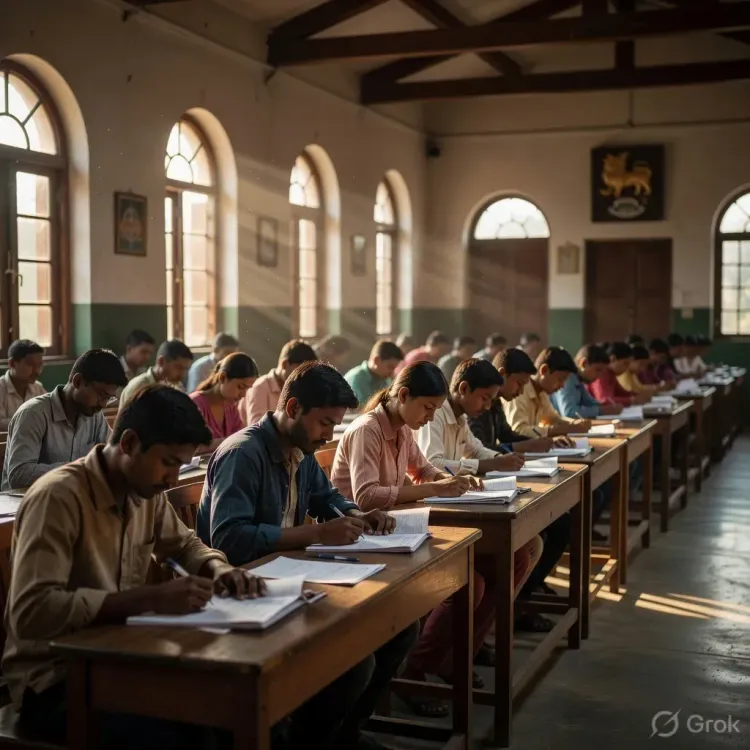
Group A, B and C posts cover the full spectrum of state civil services — from gazetted officers at the top to non-gazetted staff at the frontline. Until now, recruitment notifications across departments could carry varying eligibility conditions, leaving candidates uncertain and opening the door to legal challenges. A single, standardised framework closes that gap: one set of rules, every department, every notification. For the youth of Arunachal Pradesh — a state with a young demographic and a strong appetite for government employment — the practical impact is clarity. Aspirants preparing for state recruitment examinations will now work toward a fixed, predictable benchmark rather than navigating department-by-department variations.Arunachal's Longer Push to Clean Up Public Hiring
The move fits a pattern the state has pursued since the 2000s: periodic revision of recruitment rules to reduce discretion, curb litigation, and align hiring with merit while respecting domicile preferences. Across India's Northeast, states have faced particular pressure to balance local employment demands with transparent, contestable processes — and uniform eligibility norms are increasingly the instrument of choice. Chief Minister Pema Khandu, who has led the BJP-governed state since July 2016, has positioned the cabinet's governance agenda around institutional reform. This recruitment decision extends that arc into one of the most politically sensitive arenas in any state: who gets a government job, and on what terms. The specifics of the approved criteria — exact qualifications, age limits, any changes to existing reservation provisions — have not yet been made public, and the rollout timeline for recruitment notifications under the new framework remains to be announced. When those details land, Arunachal's job aspirants will know exactly what game they are playing — and that, by itself, is a significant change.Point of View
The Khandu government is simultaneously reducing the legal vulnerability of its recruitment processes and signalling administrative seriousness ahead of future election cycles. The broader Northeast pattern of adopting merit-plus-domicile frameworks suggests this is less an isolated reform and more a regional convergence toward institutionalised hiring. The real test will be in the fine print: whether the new criteria tighten or relax existing reservation provisions will determine whether the reform is celebrated or contested.
NationPress
28 Sept 2026
Frequently Asked Questions
What did the Arunachal Pradesh Cabinet decide about government recruitment?
The Arunachal Pradesh State Cabinet, led by Chief Minister Pema Khandu, approved uniform eligibility criteria for direct recruitment to Group A, B and C state government posts to ensure a fair and transparent hiring process.
What are Group A, B and C posts in state government recruitment?
Group A, B and C are standard classifications of government posts. Group A covers senior gazetted officers, Group B covers junior gazetted posts, and Group C covers non-gazetted staff — together spanning the bulk of state civil service positions.
How does uniform eligibility criteria help job aspirants in Arunachal Pradesh?
A single, standardised framework means candidates preparing for state government jobs work toward one consistent benchmark across all departments, reducing confusion, preventing litigation, and making the process more predictable.
Who is Pema Khandu and how long has he been Chief Minister of Arunachal Pradesh?
Pema Khandu is the Chief Minister of Arunachal Pradesh and has led the BJP-governed state since July 2016, making him one of the longer-serving chief ministers in the Northeast.
When will the new recruitment criteria be notified and implemented?
The rollout timeline and the specific details of the approved eligibility criteria have not yet been officially announced; further recruitment notifications are expected to carry the new uniform standards.