Assam CM Office Flags Emergency Embankment Works in Morigaon
Synopsis
The Chief Minister's Office of Assam on 21 July 2026 shared images of emergency embankment restoration along the Bhogdoi River at Solmora and Gayangaon, and protection works on the River Killing's right bank in Morigaon, with CM Himanta Biswa Sarma directing priority interventions amid active monsoon erosion.
Key Takeaways
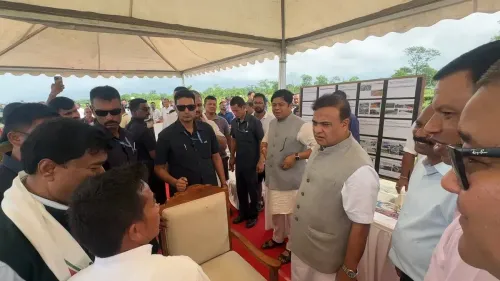
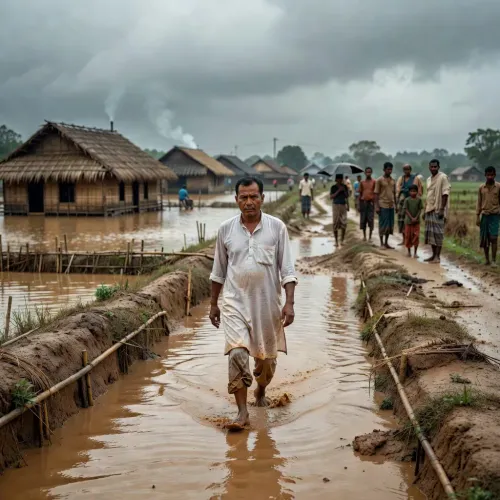
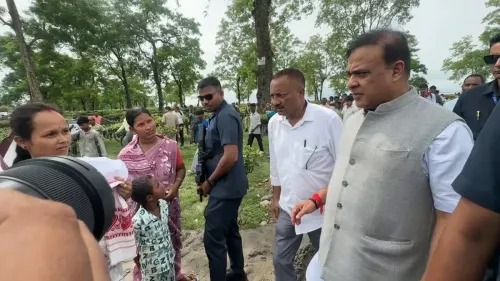
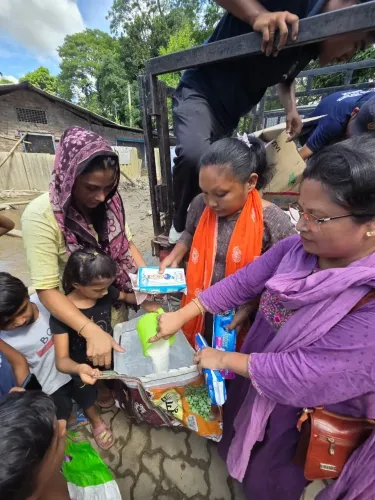
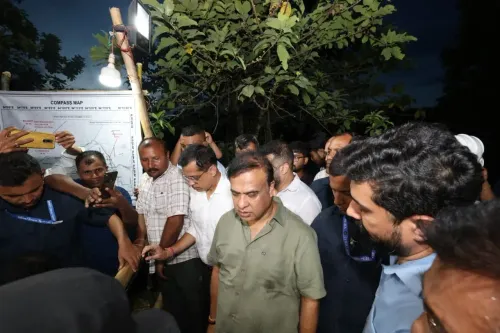
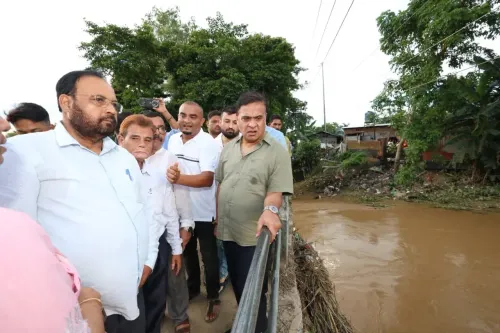
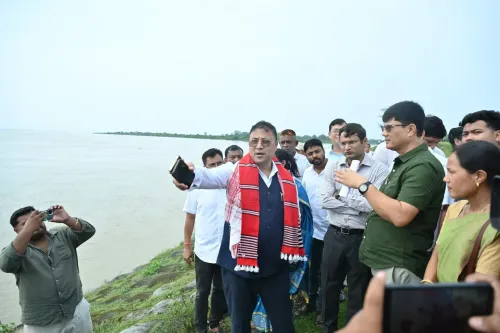
The Chief Minister's Office of Assam released four images on 21 July 2026 showing emergency embankment works in Morigaon district .
Restoration is underway along the Bhogdoi embankment at Solmora and Gayangaon .
Emergency protection measures are ongoing along the right bank of River Killing following erosion near the embankment.
Works are being executed by the Morigaon Water Resources Division under CM Dr.
Himanta Biswa Sarma's guidance.
The CMO stated the situation is under 'constant watch' with interventions being carried out on priority.
Assam's embankment repair framework draws on a policy lineage dating to the 1950s , with central support under the Flood Management Programme since 2007 .
The Chief Minister's Office of Assam on Tuesday, 21 July 2026 shared visuals of emergency restoration works underway along the Bhogdoi embankment at Solmora and Gayangaon, and ongoing protection measures along the right bank of the River Killing under the Morigaon Water Resources Division, following erosion observed near the embankments.
Context
The post states that the Government of Assam has 'taken all necessary measures to restore damaged sections and undertake emergency protection works' under the guidance of Chief Minister Dr. Himanta Biswa Sarma. It further notes that 'the situation is under constant watch, with all necessary interventions being carried out on priority.' Four images accompanying the post show ground-level restoration activity at the affected sites.
The Bhogdoi River is a tributary of the Brahmaputra in upper Assam, historically prone to bank erosion that affects nearby villages and agricultural land. The River Killing flows through Morigaon district, where recurring erosion has repeatedly threatened embankments and surrounding settlements.
Policy Backdrop
Assam has maintained a system of annual pre-monsoon and emergency embankment repairs through its Water Resources Department since the 1950s, when large-scale embankment construction was undertaken following the devastating 1950 earthquake. These works have been a core component of the state's flood and erosion management architecture for over seven decades.
Central government support under the Flood Management Programme (FMP), operational since 2007, has supplemented state expenditure on erosion-control works in Assam. The current interventions in Morigaon continue this established pattern of rapid-response engineering during the monsoon season. The Morigaon Water Resources Division is the field unit of the state department responsible for embankment maintenance and flood protection in the district.
Stakeholders and Impact
Residents of Morigaon district — including farming communities whose land and livelihoods are directly exposed to riverbank erosion — are the primary stakeholders in these works. Embankment breaches during the monsoon can inundate cropland, damage homes, and displace communities, making timely restoration critical.
Riverbank erosion and flooding remain chronic challenges across the Brahmaputra valley, driving repeated state expenditure each monsoon season. Successive Assam governments have treated emergency embankment works as a core disaster-management and rural-infrastructure priority, and the current response reflects that continuity.
What's Next
The CMO's statement that the situation is under 'constant watch' signals that monitoring will continue through the peak monsoon period. Progress reports on completed sections and any supplementary budget or central-fund requests related to these works would be the next indicators to watch.
With the Brahmaputra and its tributaries typically peaking between July and August, the pace of restoration at Solmora, Gayangaon, and along the River Killing right bank will determine the degree of protection available to downstream communities for the remainder of the season.
Point of View
The messaging frames emergency infrastructure work as a leadership-driven priority rather than routine departmental action. This fits a broader pattern in which Assam's current administration has used real-time social media updates to manage public perception during flood and erosion events. The key policy question going forward is whether these emergency interventions translate into durable structural upgrades, or remain part of the cyclical monsoon-repair cycle that has characterised Brahmaputra valley flood management for decades.
NationPress
20 Oct 2026
Frequently Asked Questions
What embankment works are being done in Morigaon Assam in 2026?
The Morigaon Water Resources Division is carrying out emergency restoration along the Bhogdoi embankment at Solmora and Gayangaon, and protection works on the right bank of River Killing, following erosion observed near the embankments during the 2026 monsoon season.
Which river is causing erosion in Morigaon district Assam?
Both the Bhogdoi River and River Killing are causing embankment erosion in Morigaon district. The Bhogdoi is a Brahmaputra tributary prone to bank erosion, while River Killing flows through Morigaon and has repeatedly threatened local embankments.
What is the Morigaon Water Resources Division?
The Morigaon Water Resources Division is a field unit of Assam's Water Resources Department responsible for embankment maintenance, flood protection, and emergency repair works in Morigaon district.
What is the Flood Management Programme FMP in Assam?
The Flood Management Programme is a central government scheme operational since 2007 that provides financial support to states like Assam for erosion-control and flood-protection works, supplementing state budgets for embankment repair.
How does Assam handle river erosion during monsoon?
Assam deploys its Water Resources Department divisions to carry out pre-monsoon and emergency embankment repairs each year, a practice established since the 1950s. Central FMP funds supplement state spending, and the Chief Minister's Office monitors and publicly communicates progress during active erosion events.