Assam CM Himanta Biswa Sarma pushes for people-centric police reforms
Synopsis
Assam's chargesheet problem is now front and centre: with filings recorded in only 54% of nearly 10 lakh cases since 2016, CM Himanta Biswa Sarma's latest law-and-order review signals mounting pressure on the state police to close a massive investigative backlog — while civil-military coordination with Assam Rifles adds a parallel security dimension.
Key Takeaways
Assam CM Himanta Biswa Sarma chaired a law and order review on 17 August in Guwahati .
He directed police to build a modern, people-centric policing system with stronger crime prevention and investigation.
Chargesheets have been filed in only 54% of nearly 10 lakh cases registered since 2016 , according to a state Assembly disclosure on 6 July .
Agenda included reforms to Home Guards , Village Defence Parties , Dial 112 , police housing, and jurisdiction rationalisation.
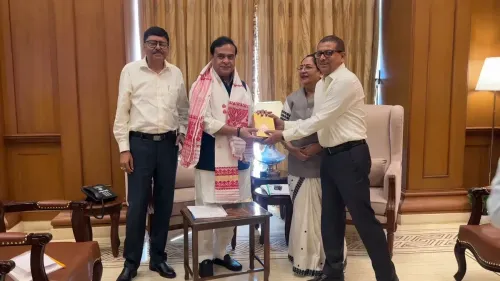
Chief Secretary Ravi Kota met Major General Inderjit Singh Bhinder of Assam Rifles (East) to strengthen civil-military coordination on border management and development.
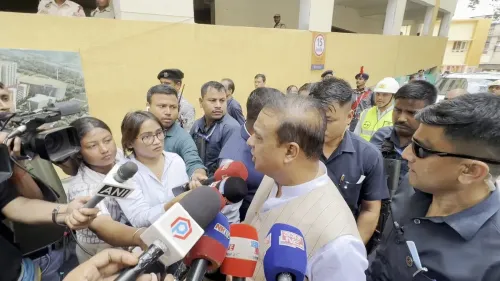
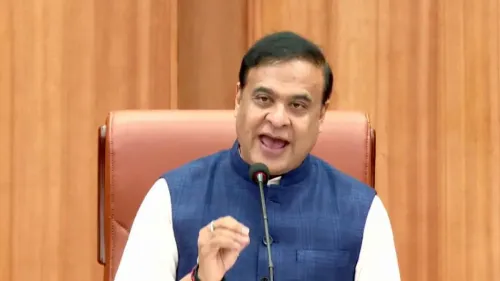
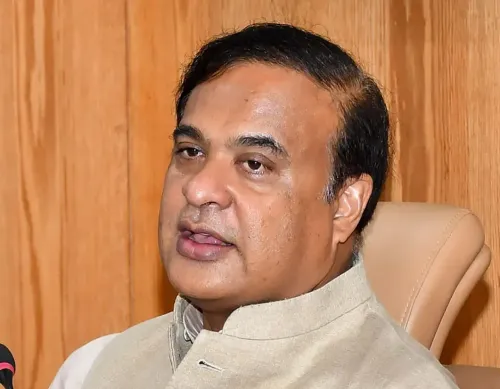
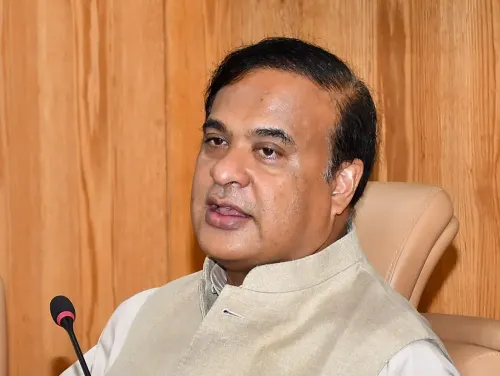
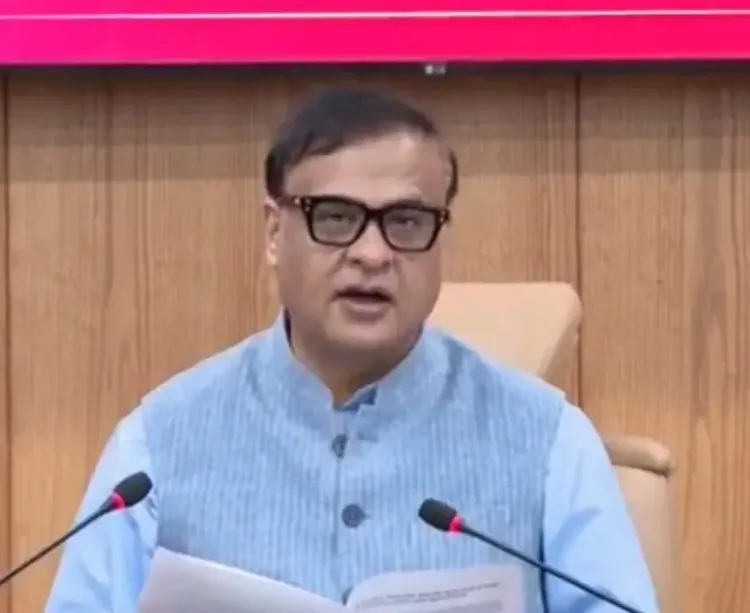
Assam Chief Minister Himanta Biswa Sarma on Monday, 17 August chaired a high-level review of the state's law and order situation in Guwahati, directing police authorities to build a modern, responsive, and people-centric policing system with sharper focus on crime prevention and effective investigations.
Key Developments from the Review
Sarma met with Director General of Police Harmeet Singh and senior officials of the Police and Home Department to assess the overall security landscape and key aspects of police administration. The agenda covered a wide range of issues — from measures to prevent child marriage and polygamy, to reforms in Home Guards and Village Defence Parties, the Dial 112 emergency response service, battalion-related infrastructure projects, police housing, and the rationalisation of police station jurisdictions.
Focus on Investigations and Conviction Rates
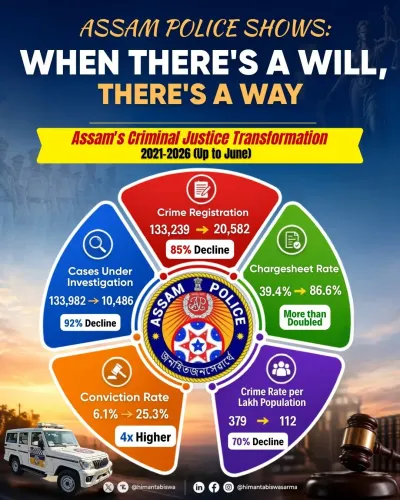
The Chief Minister stressed the need to strengthen the investigation process and ensure criminal cases are taken to their logical conclusion. He called for timely, effective investigations so that offenders are brought to justice and conviction rates improve. This directive carries particular weight given a disclosure made to the state Assembly on 6 July: chargesheets had been filed in only around 54 per cent of nearly 10 lakh cases registered across Assam since 2016, when the Bharatiya Janata Party (BJP) first came to power in the state. That figure — roughly 4.6 lakh cases without a chargesheet — points to a persistent backlog that has drawn scrutiny from legislators and civil society alike.
Why This Review Matters
Sarma has repeatedly emphasised improving policing standards, strengthening investigative mechanisms, and ensuring better delivery of security services to citizens. This is not the first such directive — the Chief Minister has consistently returned to policing reform as a governance priority, making Monday's review part of a broader, ongoing push rather than a one-off intervention. Notably, the low chargesheet rate suggests systemic gaps in investigation capacity that cannot be addressed by administrative direction alone; structural reforms in staffing, forensic support, and legal aid may also be required.
Civil-Military Coordination on Security
Separately, Assam Chief Secretary Ravi Kota on the same day met with Major General Inderjit Singh Bhinder, Inspector General of Assam Rifles (East), to discuss security and development issues in Assam and the wider Northeast. According to Kota, the discussions centred on enhancing coordination between civil authorities and security forces, with emphasis on security, border management, and development. The Chief Secretary acknowledged the Assam Rifles' contribution to maintaining peace and its sustained engagement with communities across the Northeast region.
What Comes Next
The directives from Monday's review are expected to translate into operational guidelines for police stations across Assam. Whether the push to improve chargesheet rates gains measurable traction will likely be a key indicator of the state government's policing reforms in the months ahead.
Point of View
A figure that implicates both investigative capacity and political will over a nine-year stretch that includes multiple BJP tenures. Sarma's repeated emphasis on policing reform has not yet produced a measurable turnaround in that metric. Directives from the top matter, but without forensic infrastructure, adequate staffing, and accountability mechanisms at the station level, the gap between ministerial intent and ground-level outcomes is likely to persist. The civil-military coordination meeting with Assam Rifles, while routine, signals that the Centre's security architecture in the Northeast remains a parallel track the state cannot afford to ignore.
NationPress
2 Oct 2026
Frequently Asked Questions
What did Assam CM Himanta Biswa Sarma direct at the law and order review?
Sarma directed police authorities to build a modern, responsive, and people-centric policing system, with greater emphasis on crime prevention, stronger investigations, and improved conviction rates. The review, held on 17 August in Guwahati, also covered reforms to Home Guards, Village Defence Parties, Dial 112, and police housing.
What is Assam's chargesheet filing rate and why does it matter?
According to a state Assembly disclosure on 6 July, chargesheets have been filed in only around 54% of nearly 10 lakh cases registered in Assam since 2016. This means roughly 4.6 lakh cases remain without a chargesheet, pointing to a significant backlog in the state's criminal justice pipeline.
Who attended the law and order review meeting in Guwahati?
The meeting was chaired by Chief Minister Himanta Biswa Sarma and attended by Director General of Police Harmeet Singh along with senior officials of the Police and Home Department.
What was discussed in the Assam Chief Secretary's meeting with Assam Rifles?
Chief Secretary Ravi Kota met Major General Inderjit Singh Bhinder, Inspector General of Assam Rifles (East), to discuss enhancing coordination between civil authorities and security forces on security, border management, and development in Assam and the wider Northeast.
What specific policing issues were on the agenda at the Assam review?
The review covered child marriage and polygamy prevention, crime prevention strategies, Home Guards and Village Defence Party reforms, the Dial 112 emergency response service, battalion-related projects, police housing, and the rationalisation of police station jurisdictions across Assam.