Assam CM Sarma greets Sikhs, recalls Chaparmukh's history
Synopsis
On Guru Nanak Jayanti, Assam Chief Minister Himanta Biswa Sarma recalled the arrival of Sikh soldiers in the 1820s and the community's settlement in Chaparmukh. He also cited recognition of traditional Sikh marriage ceremonies and renewed a commitment to protect the community's identity and faith.
Key Takeaways
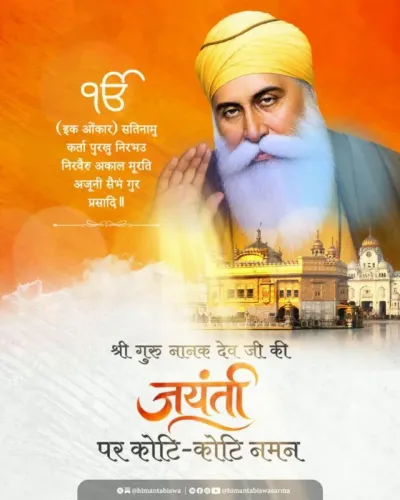
Assam Chief Minister Himanta Biswa Sarma greeted Sikhs in Assam and worldwide on Guru Nanak Jayanti .
He recalled Subedar Chaitanya Singh and Sikh soldiers who came from Punjab in the 1820s .
Sarma said their families settled in Chaparmukh , where Gurudwara Mataji was established in 1820 .
He said the gurdwara holds a rare handwritten Adi Granth .
The chief minister cited recognition of traditional Sikh marriage ceremonies, without giving its date or legal form.
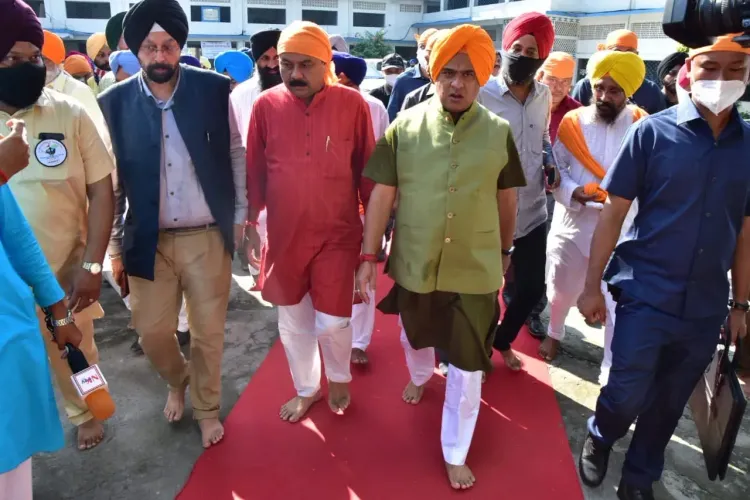
Assam Chief Minister Himanta Biswa Sarma marked Guru Nanak Jayanti on 24 November 2026 with greetings to Sikhs in Assam and across the world, recalling a community history in the state that stretches back to the 1820s. He also said his government had recognised traditional Sikh marriage ceremonies as part of its commitment to protect the community's identity and faith.
From Punjab soldiers to Chaparmukh families
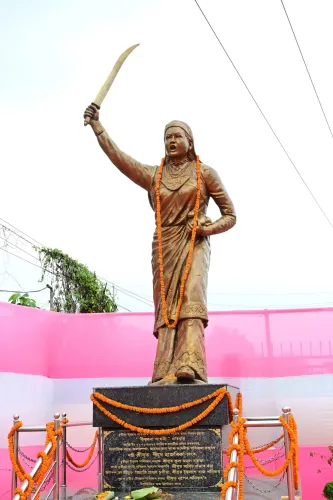
Sarma traced that shared history to Subedar Chaitanya Singh and his Sikh soldiers, who came from Punjab to defend Assam alongside Swargadeo Chandrakanta Singha, the last Ahom king. Chandrakanta Singha faced Burmese invasions in the early 19th century.
The soldiers' families settled in Chaparmukh, in Nagaon district, Sarma said. He pointed to Gurudwara Mataji, established in 1820, which he said still holds a rare handwritten Adi Granth.
Marriage recognition and Guru Nanak's teachings
Alongside the historical account, Sarma said: 'Our government is committed to protecting the community's identity and faith.' He identified recognition of traditional Sikh marriage ceremonies as one step taken by the government, without specifying its date or legal form in the post.
Guru Nanak Dev, the founder of Sikhism, taught equality, honest living and service to others. Sarma invoked the Sikh principle of Sarbat da Bhala, which he described as 'the well being of all', as a guide for building a stronger Assam.
His message linked a centuries-old settlement to a present-day commitment: safeguarding the community's faith and identity as Assam moves forward.
Point of View
Though the post does not explain its legal form or timing. Any follow-up details would help clarify how that recognition operates.
NationPress
24 Nov 2026
Frequently Asked Questions
What did Himanta Biswa Sarma say on Guru Nanak Jayanti?
He greeted Sikhs in Assam and across the world, recalled their historical ties to the state and said his government was committed to protecting the community's identity and faith.
How did the Sikh community settle in Chaparmukh?
Sarma said the families of Sikh soldiers who came from Punjab with Subedar Chaitanya Singh in the 1820s settled in Chaparmukh. The soldiers came to defend Assam alongside Ahom ruler Chandrakanta Singha.
What is special about Gurudwara Mataji in Assam?
Gurudwara Mataji in Chaparmukh was established in 1820 and holds a rare handwritten Adi Granth, according to Sarma.
What did Assam CM say about Sikh marriage ceremonies?
Sarma said his government had recognised traditional Sikh marriage ceremonies. His post did not specify when the recognition took place or its legal form.
What does Sarbat da Bhala mean?
Sarbat da Bhala refers to the well-being of all. Sarma invoked the principle alongside the teachings of Guru Nanak Dev.