CM Himanta's road vision reshapes Tamulpur, Assam
Synopsis
The Chief Minister's Office of Assam spotlighted road transformation in Tamulpur district on 27 May 2026, linking the progress to CM Dr. Himanta Biswa Sarma's connectivity agenda. The push aligns with central schemes and the Act East Policy, aiming to improve mobility and economic access for rural communities near the Bhutan border.
Key Takeaways
The Chief Minister's Office of Assam posted on 27 May 2026 highlighting road transformation in Tamulpur district .
Tamulpur is a district in northern Assam, carved from erstwhile Baksa district , located near the Bhutan border .
The road push aligns with the central government's Bharatmala Pariyojana and India's Act East Policy .
Himanta Biswa Sarma has prioritised all-weather road connectivity in Assam's northern and Bodoland regions since taking office in May 2021 .
Key beneficiaries include rural residents, farmers, and local traders who depend on reliable roads for market access and essential services.
Completion milestones of ongoing road packages and next state budget allocations for Tamulpur will be closely watched.
The Chief Minister's Office of Assam on Wednesday, 27 May 2026, highlighted the ongoing road transformation in Tamulpur district, framing it as a direct expression of Chief Minister Dr. Himanta Biswa Sarma's vision for a stronger, faster, and more connected Assam.
Context
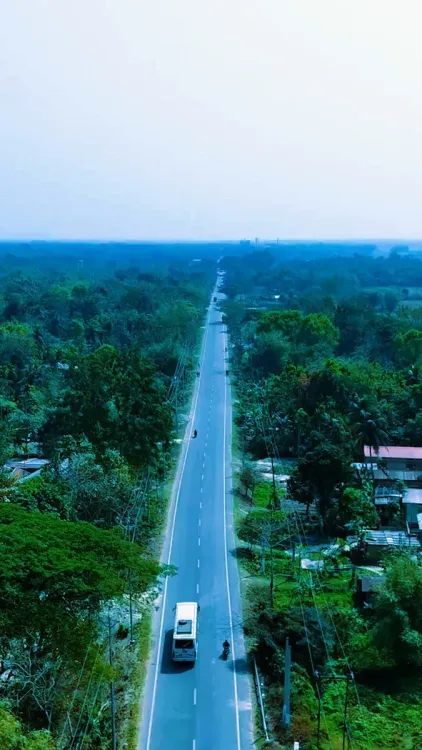
The post from the Chief Minister's Office stated: 'Connectivity driving progress. The transforming roads of Tamulpur reflect HCM Dr. Himanta Biswa's vision for a stronger, faster and more connected Assam.' The message was accompanied by a video, underscoring the visible, on-ground changes taking shape in the district. Tamulpur, a relatively young district carved out of the erstwhile Baksa district in northern Assam and situated near the Bhutan border, has historically faced connectivity challenges that have constrained local economic activity.
Policy Backdrop
Road infrastructure in Assam's northern and Bodoland regions has been a stated priority for the state government since 2021, when Dr. Himanta Biswa Sarma assumed office as Chief Minister. The state has aligned its road development agenda with central initiatives, including the Bharatmala Pariyojana — the Government of India's flagship highway and connectivity programme launched in 2015 — which included multiple packages covering Assam's districts. The broader thrust of these efforts falls under India's Act East Policy, which treats Northeast connectivity as both an economic and a strategic imperative, linking border districts like Tamulpur to wider regional trade corridors.
Assam governments since 2016 have progressively pushed for all-weather roads in the Bodoland Territorial Region and adjacent areas, recognising that poor road access directly suppresses agricultural incomes and limits access to health and education services. The current administration has continued and, in several cases, accelerated this trajectory.
Stakeholders and Impact
The primary beneficiaries of improved road connectivity in Tamulpur are its rural residents, local traders, and farming communities who depend on reliable road access to move produce to markets and access essential services. Better roads reduce travel time and logistics costs, which can translate into improved price realisations for farmers and expanded market reach for small businesses. The district's proximity to the Bhutan border also means that enhanced connectivity carries cross-border trade implications, potentially boosting informal and formal commerce in the region.
For the Himanta Biswa Sarma administration, infrastructure delivery in districts like Tamulpur serves as a visible marker of governance performance, particularly in constituencies that have historically felt underserved by state investment.
What's Next
Attention will now turn to the completion milestones of ongoing road packages in Tamulpur and adjacent districts, as well as any dedicated allocations in the next Assam state budget cycle. The state's ability to deliver finished, all-weather roads — rather than works-in-progress — will determine whether the connectivity narrative translates into measurable improvements in mobility and economic outcomes for residents. Progress in Tamulpur is also likely to be cited as a template for similar pushes across other underdeveloped districts in the Bodoland region.
Point of View
Where visible development can yield both economic and political dividends. By publicly anchoring these projects to CM Himanta Biswa Sarma's personal vision, the administration is building a governance narrative centred on tangible delivery rather than policy announcements alone. This approach mirrors the broader Northeast infrastructure push under the Act East framework, where road connectivity is positioned as the foundational layer for trade, security, and social development. Whether the pace of delivery matches the ambition will be the critical test in the coming budget cycles.
NationPress
11 Oct 2026
Frequently Asked Questions
What is the road development project in Tamulpur, Assam?
The Assam government, under CM Dr. Himanta Biswa Sarma, has been upgrading roads in Tamulpur district as part of a broader connectivity drive for northern Assam, aligned with central schemes like Bharatmala Pariyojana.
Where is Tamulpur district located in Assam?
Tamulpur is a district in northern Assam, carved out of the erstwhile Baksa district, and is situated near the Bhutan border in the Bodoland Territorial Region.
What is CM Himanta Biswa Sarma's infrastructure vision for Assam?
CM Dr. Himanta Biswa Sarma has prioritised all-weather road connectivity across Assam, particularly in northern and Bodoland areas, framing improved roads as essential for economic growth, market access, and regional integration under India's Act East Policy.
How does Bharatmala Pariyojana affect Assam road development?
Bharatmala Pariyojana, the Government of India's flagship highway programme launched in 2015, included connectivity packages covering Assam's districts, and the state government has aligned its road development agenda with this central initiative.
Who benefits from improved roads in Tamulpur, Assam?
Rural residents, farmers, and local traders in Tamulpur are the primary beneficiaries, as better roads reduce travel time, lower logistics costs, and improve access to markets, health services, and education. The district's proximity to Bhutan also adds cross-border trade significance.