Assam CM Office Monitors Flood Situation, Relief Active
Synopsis
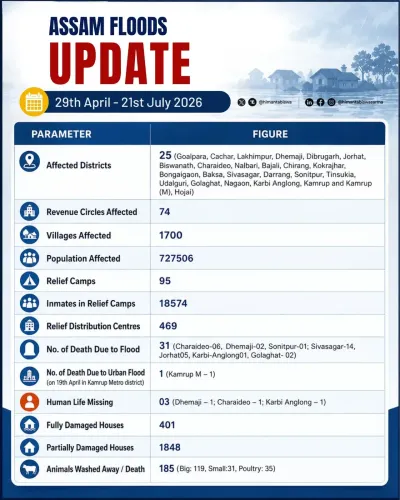
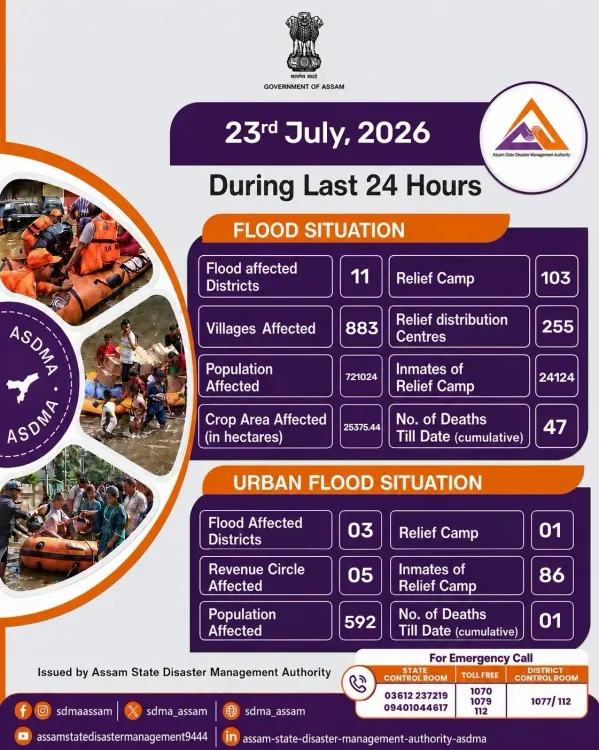
The Chief Minister's Office of Assam issued a flood situation update on 24 July 2026, confirming that authorities are actively monitoring conditions and relief operations remain ongoing in affected districts during the peak monsoon period.
Key Takeaways
The Chief Minister's Office of Assam issued a flood situation update on 24 July 2026 .
The update is dated 23 July 2026 , indicating near-real-time reporting from the state administration.
Authorities are described as continuing to monitor the 'evolving' flood situation, signalling an active and dynamic crisis.
Relief measures are confirmed as active in the affected districts.
Assam experiences recurrent seasonal flooding from the Brahmaputra River and its tributaries every monsoon season.
Chief Minister Himanta Biswa Sarma leads the state's disaster response coordination framework.
The Chief Minister's Office of Assam on 24 July 2026 issued an update confirming that authorities are continuing to monitor the evolving flood situation and that relief measures remain active across affected districts in the state.
Context
The official update, dated 23 July 2026, states that 'authorities continue to monitor the evolving flood situation while relief measures remain active in the affected districts.' The communication signals that the crisis remains dynamic and that the state administration is in active response mode rather than a post-flood recovery phase.
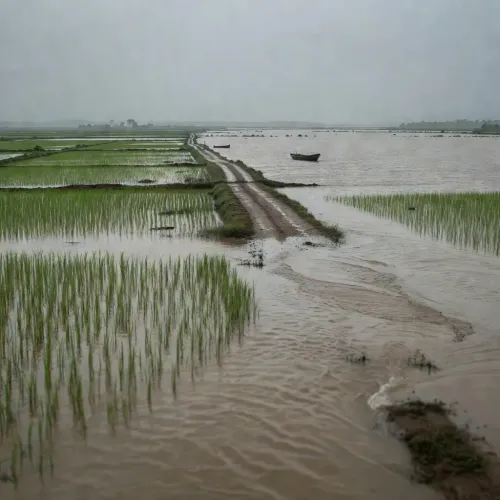
Assam, situated in the Brahmaputra valley in northeast India, is among the most flood-prone states in the country. The monsoon season, which typically runs from June to September, brings annual inundation driven by the overflow of the Brahmaputra River and its numerous tributaries.
Policy Backdrop
The Assam government has maintained structured flood monitoring and relief operations during the monsoon period for decades under its state disaster management framework. Issuing regular situation updates through official channels is standard practice designed to keep the public and administrative machinery informed in real time.
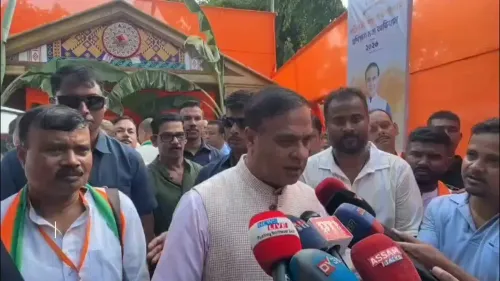
Chief Minister Himanta Biswa Sarma, who has helmed the state since 2021, oversees state-level disaster response coordination. The CMO's public updates serve both an administrative and a transparency function, ensuring that district administrations and relief agencies remain aligned with the state's response priorities.
Stakeholders and Impact
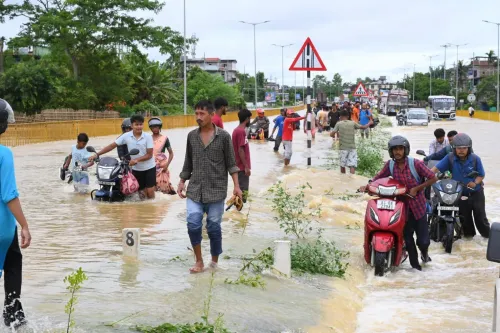
The communities most directly affected by seasonal flooding in Assam are residents of low-lying plains districts and agricultural households whose livelihoods depend on the land. Repeated inundation damages standing crops, displaces families, and strains local infrastructure, making timely relief distribution a critical intervention.
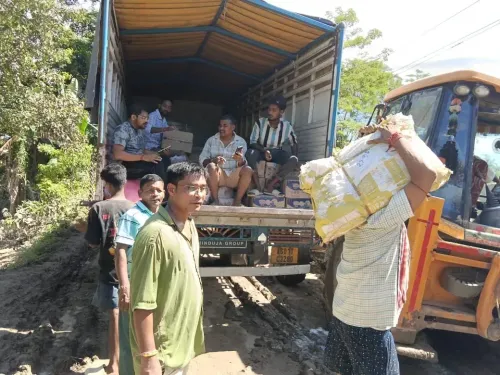
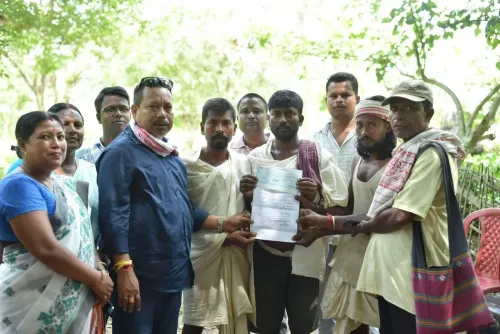
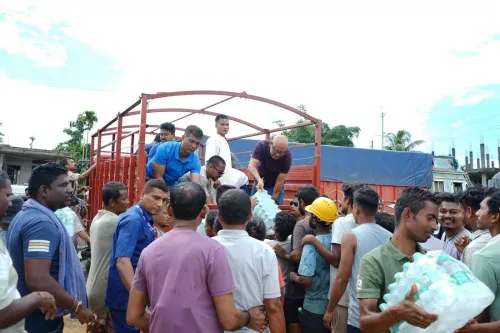
State relief operations typically involve food distribution, evacuation support, and temporary shelter arrangements coordinated through district administrations. The confirmation that relief measures remain 'active' suggests these mechanisms are currently operational in the field.
What's Next
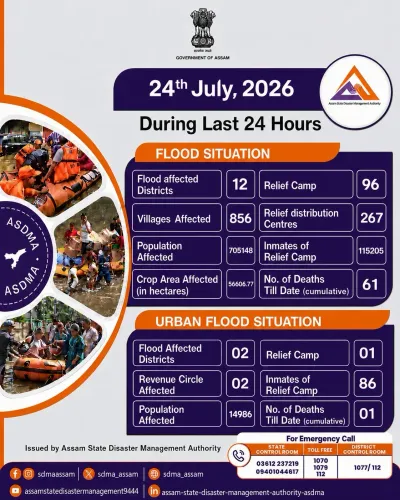
Observers and affected communities will watch for further official updates on river water levels, district-wise relief distribution figures, and any decision by the state to seek additional central assistance under national disaster management norms. The trajectory of the Brahmaputra and its tributaries during the remaining monsoon weeks will be the key determinant of how long the current response posture is sustained.
As the monsoon season progresses through August, the state is expected to continue issuing periodic updates, with the situation potentially escalating or stabilising depending on rainfall patterns across the broader catchment area.
Point of View
The administration positions itself as proactive rather than reactive, a framing that has become increasingly important in the era of real-time social media scrutiny. The update fits a broader pattern under Chief Minister Himanta Biswa Sarma of using official digital channels to project administrative responsiveness during natural disasters. Whether the relief infrastructure on the ground matches the official narrative will become clearer as district-level data emerges in subsequent updates.
NationPress
22 Oct 2026
Frequently Asked Questions
What is the current flood situation in Assam in July 2026?
According to the Chief Minister's Office of Assam, as of 23 July 2026, the flood situation remains evolving and authorities are actively monitoring conditions while relief measures are active in affected districts.
Which river causes flooding in Assam every year?
The Brahmaputra River, a major transboundary river flowing through the Assam plains, is the primary cause of seasonal flooding in the state, with its overflow during the June-September monsoon inundating multiple districts annually.
Who is responsible for flood relief in Assam?
The Assam state government, led by Chief Minister Himanta Biswa Sarma, coordinates disaster response and relief operations through district administrations under the state disaster management framework.
How does the Assam government respond to floods?
The Assam government activates its state disaster management plan each monsoon season, deploying relief measures including food distribution, evacuation support, and temporary shelter, while issuing regular public situation updates.
What should flood-affected people in Assam do?
Flood-affected residents should follow instructions from local district administration, move to designated relief camps or higher ground if advised, and stay updated through official state government communications.