CM Himanta Reports 50% Rise in Assam Flood Shelter Camp Population
Synopsis
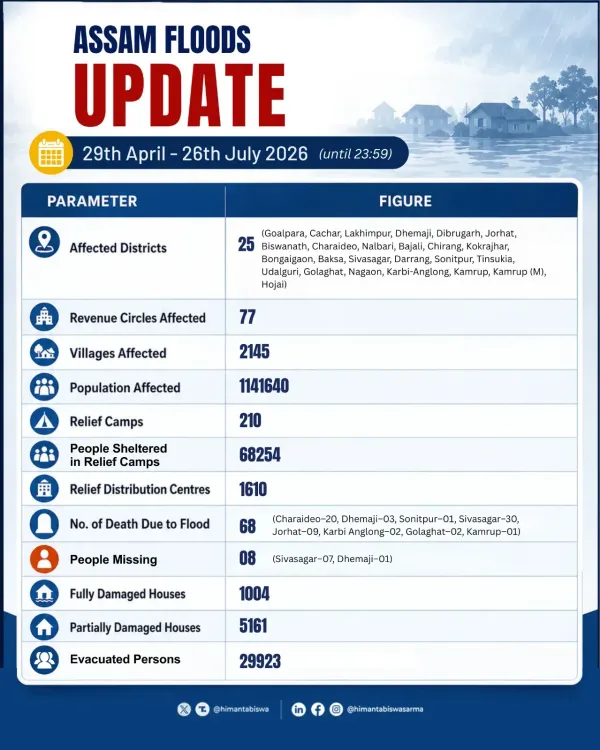
Assam Chief Minister Himanta Biswa Sarma on 27 July 2026 reported a ~50% single-day rise in shelter camp populations and a 14% increase in Relief Distribution Centres as the state intensified flood rescue and rehabilitation operations across newly reached areas.
Key Takeaways
Assam CM Himanta Biswa Sarma issued a flood update on 27 July 2026 .
Shelter camp population rose by approximately 50 per cent in a single day as rescue teams expanded reach.
Relief Distribution Centres increased by 14 per cent , reflecting a parallel scale-up in logistics.
The surge is attributed to active rescue outreach into previously unreached flood-affected areas.
Operations involve coordination with the NDRF and SDRF under the Assam State Disaster Management Authority .
Daily updates from the state government are expected to continue through the peak monsoon period.
Assam Chief Minister Himanta Biswa Sarma on Monday, 27 July 2026, reported a sharp rise in the state's flood relief operations, stating that the number of people in shelter camps had grown by approximately 50 per cent since the previous day as rescue teams expanded their reach into more affected areas.
Context
In his update posted on 27 July 2026, CM Sarma noted that Relief Distribution Centres had also increased by 14 per cent, signalling a rapid scale-up of the state's disaster response machinery. The Chief Minister stated that 'relief and rehabilitation efforts are underway in full swing,' framing the surge in shelter-camp numbers not as a sign of worsening conditions alone, but as evidence that rescue teams are actively reaching previously inaccessible communities.
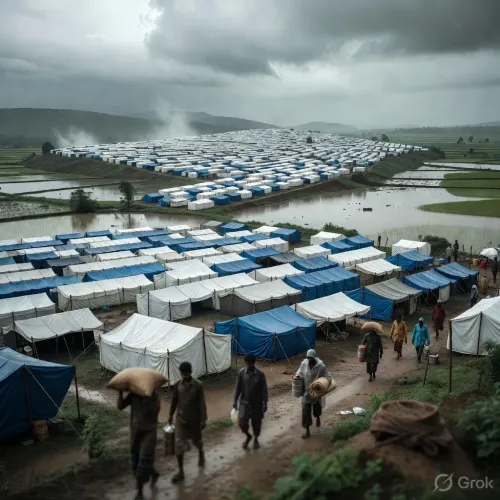
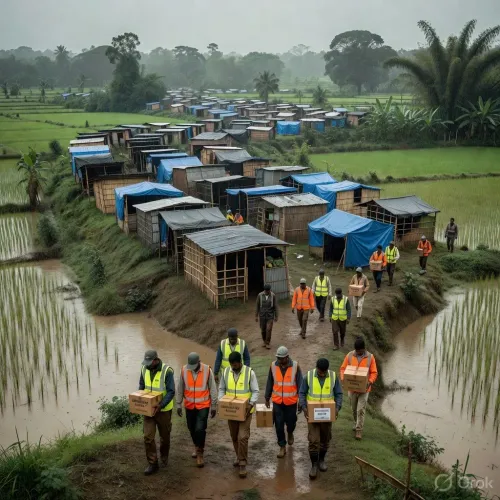
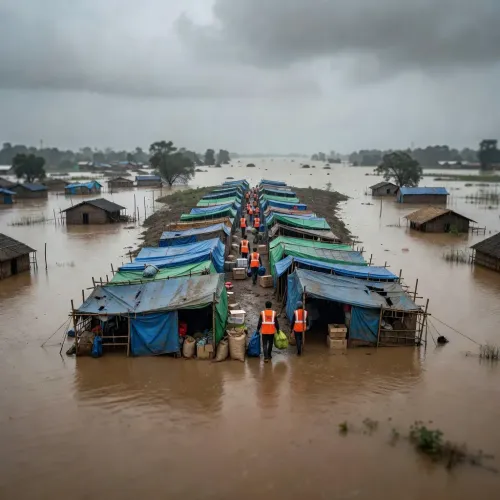
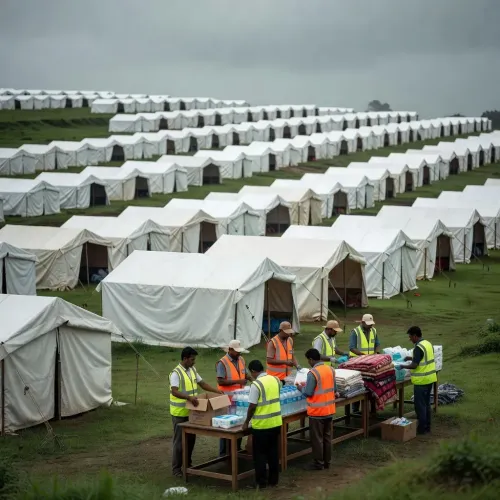
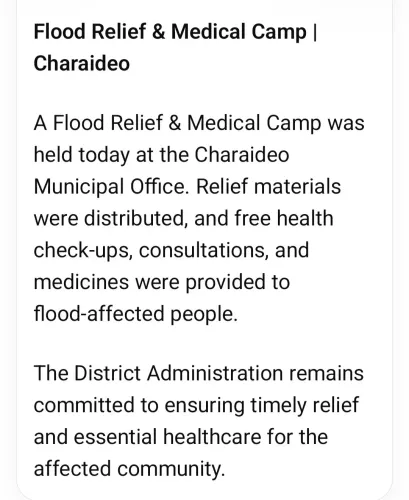
The update came with two images shared alongside the post, offering a visual account of ground-level relief activity across the state.
Policy Backdrop
Assam is among India's most flood-prone states, with the Brahmaputra river system and its tributaries swelling each monsoon season, typically between June and September. Annual flooding displaces large populations across the plains, inundating farmland and settlements in successive waves.
The state government runs coordinated flood relief operations each year in partnership with the National Disaster Response Force (NDRF) and the State Disaster Response Force (SDRF). Daily situation reports from the Assam State Disaster Management Authority (ASDMA) form the backbone of public communication during peak flood periods, and successive administrations have maintained this practice of transparent, frequent updates.
Stakeholders and Impact
The primary stakeholders are the flood-affected residents of Assam who have been evacuated to government shelter camps, many of whom depend entirely on state-run Relief Distribution Centres for food, drinking water, and essential supplies. The approximately 50 per cent jump in shelter-camp population within a single day reflects the pace at which rescue operations are drawing in displaced persons from newly reached areas.
Local administration officials, NDRF and SDRF personnel, and district-level relief coordinators are central to executing the scale-up. The 14 per cent rise in Relief Distribution Centres indicates that logistical infrastructure is being expanded in parallel with rescue efforts, a critical factor in preventing supply bottlenecks as camp populations grow.
What's Next
Daily flood bulletins from the Assam State Disaster Management Authority will be closely watched as water levels in the Brahmaputra and its tributaries fluctuate through the peak monsoon weeks of late July and August. Any request for additional central assistance from the Ministry of Home Affairs — including extra NDRF battalions or emergency funds — would mark a significant escalation in the state's response posture.
The coming days will test whether the state's relief infrastructure can keep pace with further displacement, particularly if embankment breaches open new areas to flooding. CM Sarma's public updates are expected to continue on a daily basis, providing a running account of shelter numbers, distribution reach, and rehabilitation progress.
Point of View
A historically weak link in Assam's flood response. Whether that balance holds as the monsoon peaks will determine both the humanitarian outcome and the political narrative heading into the post-flood rehabilitation phase.
NationPress
26 Oct 2026
Frequently Asked Questions
How many people are in Assam flood shelter camps on 27 July 2026?
CM Himanta Biswa Sarma reported on 27 July 2026 that shelter camp populations rose by approximately 50 per cent since the previous day, though exact total figures were not specified in his update.
What is the latest update on Assam floods 2026?
As of 27 July 2026, the Assam government reported a ~50% single-day rise in shelter camp populations and a 14% increase in Relief Distribution Centres, with relief and rehabilitation efforts described as being 'in full swing.'
Which river causes flooding in Assam every year?
The Brahmaputra river and its tributaries are the primary cause of annual flooding in Assam, with seasonal monsoon swelling and embankment breaches displacing large populations each year between June and September.
Who is handling Assam flood relief operations in 2026?
The Assam state government, led by Chief Minister Himanta Biswa Sarma, is coordinating flood relief in partnership with the National Disaster Response Force and the State Disaster Response Force under the Assam State Disaster Management Authority.
What are Relief Distribution Centres in Assam floods?
Relief Distribution Centres are state-run facilities set up during flood emergencies to provide food, drinking water, and essential supplies to displaced residents; CM Sarma reported a 14% increase in these centres on 27 July 2026.