CM Himanta Updates Assam Flood Relief: 1,788 Centres Active
Synopsis
Assam Chief Minister Himanta Biswa Sarma reported on 31 July 2026 that 1,788 relief distribution centres and 216 relief camps are active across flood-affected Assam, with rehabilitation listed as the state's top priority as the monsoon continues.
Key Takeaways
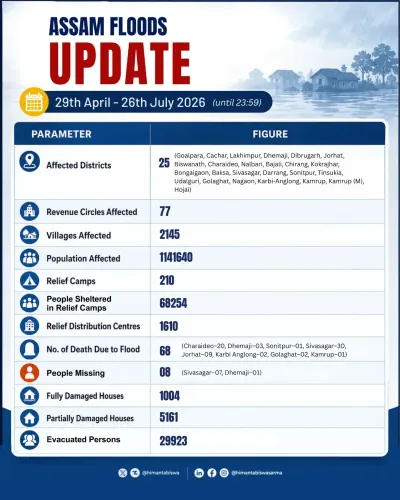
1,788 relief distribution centres are operational across flood-affected Assam as of 31 July 2026 .
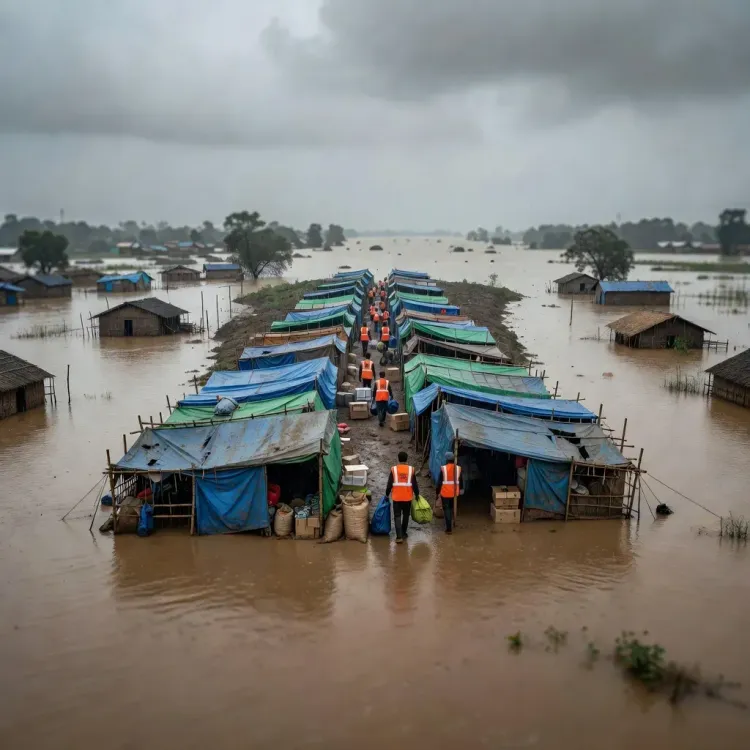
216 relief camps are providing shelter and supplies to displaced communities.
Chief Minister Himanta Biswa Sarma stated rehabilitation — not just emergency relief — is the top priority.
Assam's flood response operates under the Disaster Management Act, 2005 and is activated every monsoon season.
The Brahmaputra and its tributaries cause predictable annual inundation across multiple Assam districts.
As the monsoon batters Assam through July 2026, Assam Chief Minister Himanta Biswa Sarma confirmed on Friday, 31 July that the state's flood relief machinery is running at full pace — with 1,788 relief distribution centres and 216 relief camps now operational across flood-affected communities.
The scale of the relief network on the ground
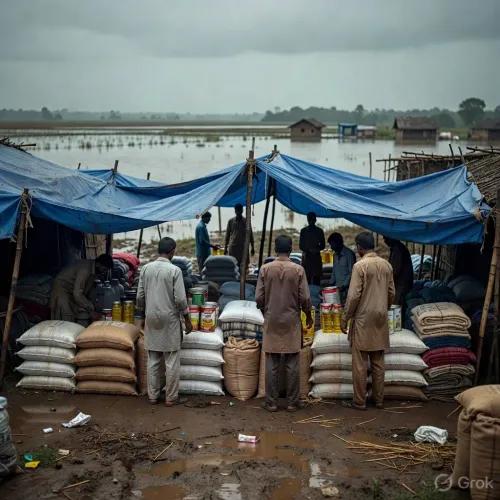
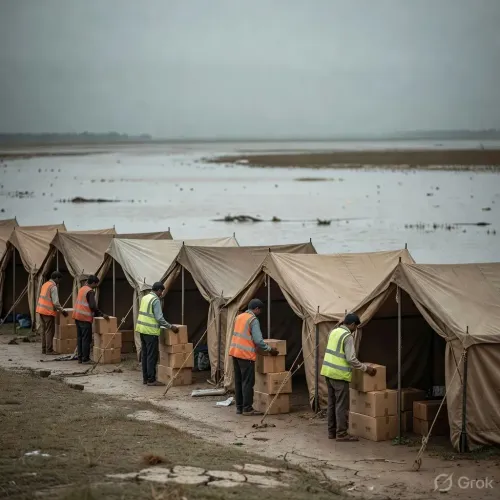
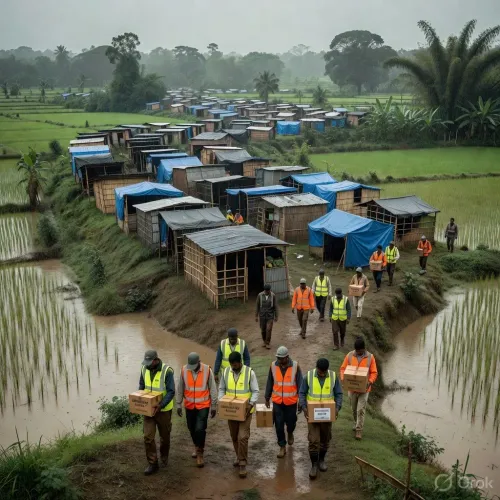
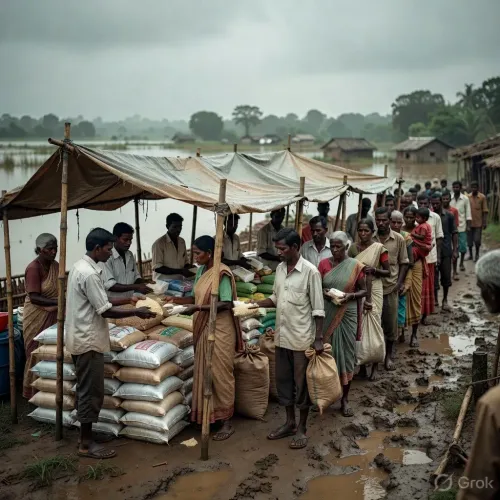
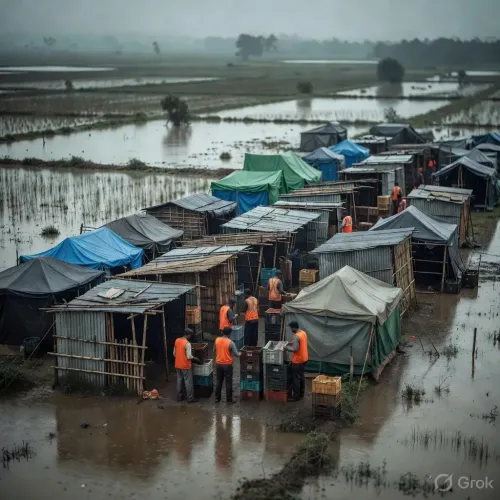
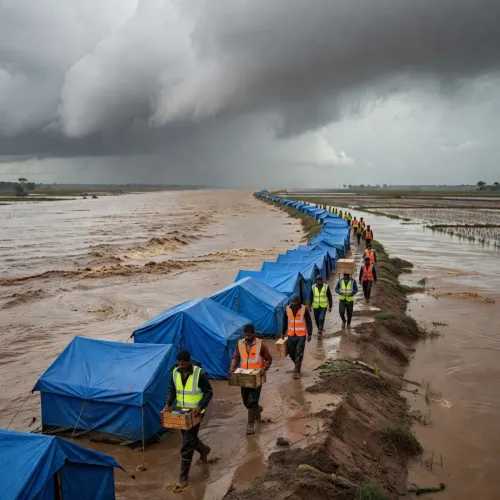
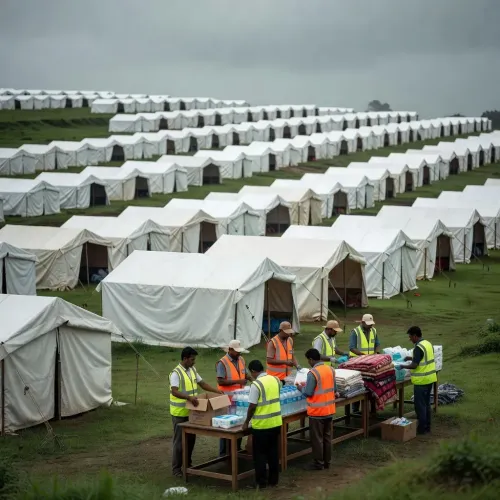
The numbers are striking. Nearly 1,800 distribution points fanning out across Assam's flood-hit districts represent one of the largest simultaneous relief deployments the state runs each monsoon season. The 216 camps provide shelter and essential supplies to displaced families cut off by the Brahmaputra and its swollen tributaries.
Sarma's post flagged rehabilitation — not just immediate relief — as the 'top priority', signalling that the administration is already looking beyond emergency rations toward restoring livelihoods and infrastructure.
Assam's annual flood cycle and the disaster response framework
Assam's flooding is not a surprise — it is a calendar event. The state activates its relief network every monsoon under the Disaster Management Act, 2005, which mandates state governments to maintain response infrastructure and fund relief operations through the State Disaster Response Fund. Successive administrations in Dispur have treated this seasonal mobilisation as a core governance obligation.
What varies year to year is the scale of inundation and the speed of the administrative response. Regular public updates from the Chief Minister's office — as seen in this post — have become part of the communication protocol, keeping affected communities and the public informed on relief availability.
Rehabilitation: the harder task ahead
Distribution centres and camps address the immediate crisis. The longer challenge — rebuilding homes, restoring farmland, repairing embankments — is what the word 'rehabilitation' in Sarma's update points toward. Assam's flood-affected districts lose agricultural output and infrastructure every year, and the pace of post-flood recovery directly shapes how vulnerable communities enter the next monsoon season.
With the 2026 monsoon still active, the state's focus will shift to assessing damage and mobilising reconstruction support once waters recede.
The relief network is up. The harder work of rebuilding is just beginning.
Point of View
And the framing of 'rehabilitation as top priority' — rather than just emergency relief — signals an attempt to shift the narrative from crisis management to structured recovery. How quickly the state transitions from camps to reconstruction will be the real test of that claim.
NationPress
14 Sept 2026
Frequently Asked Questions
How many relief camps are active in Assam floods 2026?
As of 31 July 2026 , 216 relief camps are active across flood-affected communities in Assam, according to Chief Minister Himanta Biswa Sarma.
How many relief distribution centres are operating in Assam?
1,788 relief distribution centres are currently operational across Assam to support flood-affected residents, as confirmed by CM Sarma on 31 July 2026.
Why does Assam flood every year?
Assam experiences annual monsoon flooding primarily due to the Brahmaputra river and its tributaries overflowing during heavy rainfall. The state's low-lying geography and high river discharge make it one of India's most flood-prone regions.
What law governs flood relief operations in Assam?
Flood relief and disaster response in Assam is governed by the Disaster Management Act, 2005 , which mandates state governments to maintain relief infrastructure and fund operations through the State Disaster Response Fund.
What is Himanta Biswa Sarma doing about Assam floods?
Chief Minister Himanta Biswa Sarma has activated 1,788 relief distribution centres and 216 relief camps as of 31 July 2026, and stated that rehabilitation of flood-affected communities is the state government's top priority.