CM Assam Mobilises Full Admin for Flood Relief Ops
Synopsis
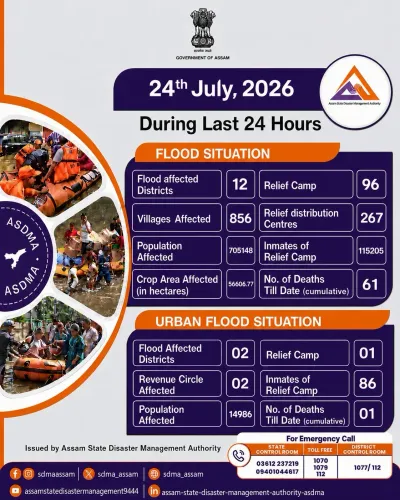
The Chief Minister's Office of Assam on 23 July 2026 confirmed full administrative mobilisation for flood relief, with camps, rescue teams, food, medicines, and veterinary services operational across flood-hit communities in the Brahmaputra valley.
Key Takeaways
The Chief Minister's Office of Assam confirmed on 23 July 2026 that all arms of the state administration are working round the clock on flood relief.
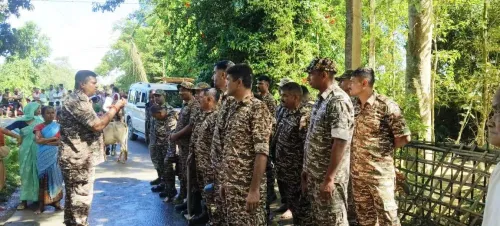
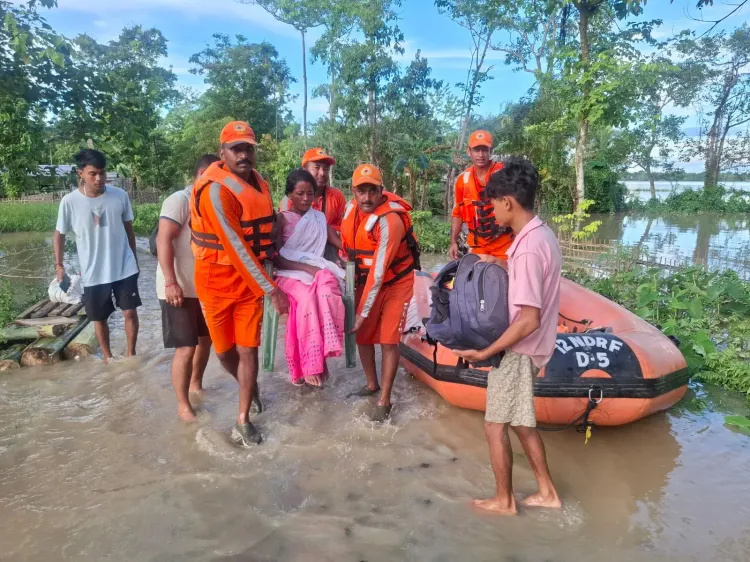
Relief camps, health camps, and rescue teams are described as fully operational.
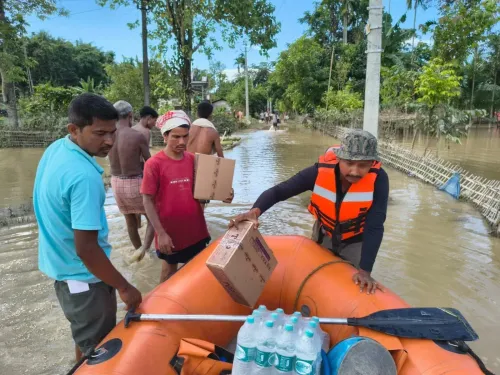
Essentials being distributed include food, safe drinking water, medicines, and sanitary napkins.
Veterinary teams are conducting livestock check-ups and distributing medicines to protect rural livelihoods.
The Assam State Disaster Management Authority (ASDMA) and the National Disaster Response Force (NDRF) are the primary institutional actors in such annual flood responses.
Post-monsoon focus is expected to shift to damage assessment, crop-loss compensation, and embankment repair along the Brahmaputra .
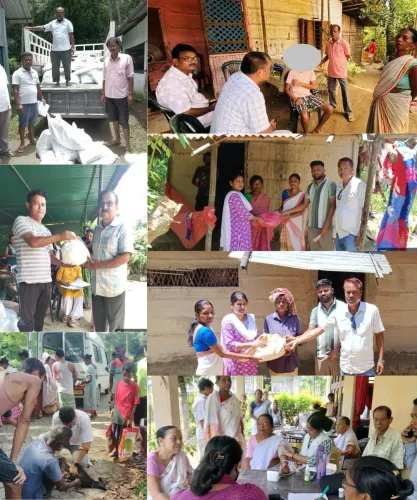
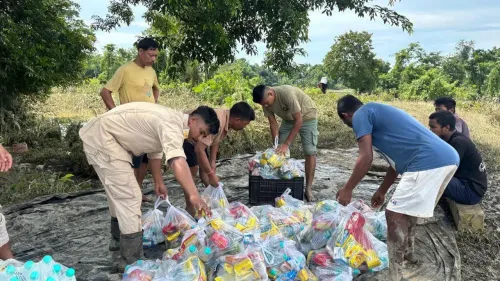
The Chief Minister's Office of Assam confirmed on Thursday, 23 July 2026 that the state administration is running round-the-clock flood relief operations, with relief camps, health camps, rescue teams, food, safe drinking water, medicines, sanitary napkins, and veterinary services deployed across flood-affected communities.
Context
The post states that 'every arm of the administration is working round the clock to reach flood-affected communities.' Relief infrastructure — including camps and rescue teams — is described as fully operational, with essential supplies including food, safe drinking water, medicines, and sanitary napkins being actively distributed. Notably, veterinary teams are conducting livestock check-ups and dispensing medicines, a direct acknowledgement that rural livelihoods depend on animal health as much as human welfare.
Policy Backdrop
Assam's vulnerability to monsoon flooding is structural. The Brahmaputra River and its tributaries inundate large swathes of the state nearly every year, displacing populations, destroying standing crops, and damaging embankments and road infrastructure. The Brahmaputra Board, established in 1980, was created specifically to coordinate flood control and water management across the valley, and successive state governments have maintained annual pre-monsoon preparedness reviews and pre-positioned relief stocks since at least the early 2000s.
The Assam State Disaster Management Authority (ASDMA) is the nodal body overseeing relief camp operations, rescue coordination, and essential-supplies distribution during such events. The National Disaster Response Force (NDRF), a central paramilitary force, is routinely deployed alongside state teams for search, rescue, and evacuation support during peak flood periods.
Stakeholders and Impact
The communities most directly affected are rural households in low-lying districts along the Brahmaputra valley — people who lose shelter, food stocks, and livelihoods when floodwaters rise. The explicit mention of sanitary napkins in the relief distribution list signals an awareness of women's specific needs during displacement, a standard that has gradually been incorporated into Indian disaster-response protocols over the past decade.
Livestock owners represent another critical stakeholder group. In Assam's agrarian economy, cattle and poultry are productive assets that underpin family incomes. The deployment of veterinary teams to conduct check-ups and distribute medicines is designed to prevent disease outbreaks among animals that could compound economic losses for rural households already hit by flooding.
What's Next
Chief Minister Himanta Biswa Sarma, who has directed state-level disaster response since taking office in 2021, is expected to continue coordinating with central agencies on further resource deployment. Key indicators to watch include any release of additional NDRF battalions, central funding under the State Disaster Response Fund (SDRF), and post-monsoon plans for embankment repair and river-dredging projects along the Brahmaputra. As floodwaters eventually recede, the administrative focus typically shifts to damage assessment, crop-loss compensation, and infrastructure restoration — the longer arc of disaster recovery that tests state capacity well beyond the emergency phase.
Point of View
Visible administrative mobilisation during peak monsoon flooding, with the addition of veterinary support signalling a more holistic understanding of rural distress. The explicit listing of sanitary napkins alongside food and medicines reflects a gradual mainstreaming of gender-sensitive disaster response in Indian state governance. For CM Himanta Biswa Sarma, flood management is both a humanitarian imperative and a political signal — demonstrating state capacity during a crisis that recurs with near-clockwork regularity along the Brahmaputra. The real test, as always, will be the speed and scale of post-flood recovery and whether longer-term structural investments in embankments and drainage keep pace with the annual relief cycle.
NationPress
21 Oct 2026
Frequently Asked Questions
What relief is the Assam government providing to flood-affected people in 2026?
The Assam government is providing food, safe drinking water, medicines, and sanitary napkins through operational relief camps and health camps, alongside rescue teams deployed across flood-hit communities.
Are veterinary services part of Assam flood relief operations?
Yes. Veterinary teams have been deployed to conduct livestock check-ups and distribute essential medicines, recognising that animal health is critical to rural livelihoods in Assam.
Which agencies handle flood relief in Assam?
The Assam State Disaster Management Authority (ASDMA) is the nodal state body, often supported by the National Disaster Response Force (NDRF), a central paramilitary unit routinely deployed during Assam's monsoon floods.
Why does Assam flood every year?
Assam floods nearly every monsoon because the Brahmaputra River and its tributaries carry enormous volumes of water from the Himalayas, regularly breaching embankments and inundating low-lying districts across the valley.
Who is the Chief Minister of Assam overseeing flood relief?
Himanta Biswa Sarma has been Chief Minister of Assam since 2021 and directs state-level disaster response, including the coordination of annual flood relief operations.