Assam's ₹796-crore Project SWIFT to revive 71 beels across 23 districts
Synopsis
Assam is betting ₹796.88 crore — backed by the Asian Development Bank — on restoring 71 beels across 23 districts, targeting 6,000 metric tonnes of fish output and direct grants for 1,000 youth. Project SWIFT is the state's most ambitious wetland-to-livelihood push in recent memory, and a test of whether ecological restoration can translate into measurable economic gains for beel-dependent communities.
Key Takeaways
Assam launched Project S.W.I.F.T. on 27 August , a ₹796.88-crore initiative backed by the Asian Development Bank (ADB) .
The project targets rejuvenation of 71 beels across 23 districts , covering approximately 4,000 hectares of water bodies.
Fish production targets: 6,000 metric tonnes of fish and 570 million fish fry annually.
1,000 youths will receive grants of ₹50,000 each for fisheries-linked entrepreneurship; 302 boats and fishing nets to be distributed among beneficiaries.
30 fish feed units and 100 fish processing units will be established for Self-Help Groups (SHGs) .
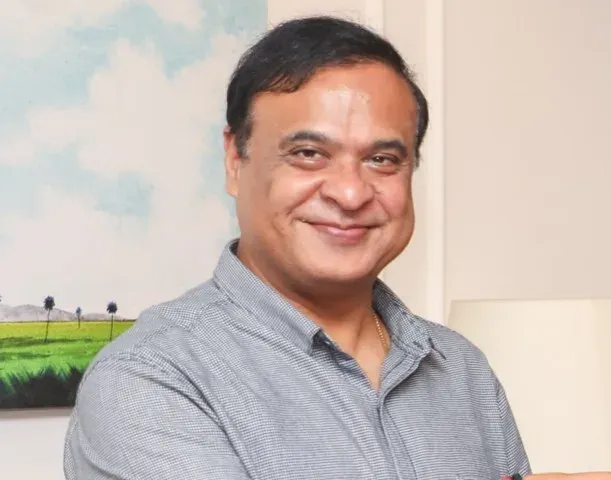
Assam Chief Minister Himanta Biswa Sarma on Thursday, 27 August unveiled Project S.W.I.F.T., a ₹796.88-crore wetland restoration initiative backed by the Asian Development Bank (ADB), targeting the rejuvenation of 71 beels spread across 23 districts of Assam. The scheme aims to revive approximately 4,000 hectares of water bodies while creating sustainable livelihoods for communities dependent on the state's fisheries ecosystem.
What Project SWIFT Covers
The initiative sets an ambitious fisheries output target of 6,000 metric tonnes of fish, alongside the annual production of around 570 million fish fry to replenish and strengthen the productivity of rejuvenated water bodies. The ADB-supported project represents one of the largest wetland restoration investments in Assam's recent history.
On the community side, the government will distribute 302 boats and fishing nets among beneficiaries. Additionally, 1,000 youths will each receive grants of ₹50,000 to pursue livelihood and entrepreneurial activities in the fisheries sector — a direct attempt to stem economic marginalisation in beel-dependent communities.
Building Local Value Chains
Project S.W.I.F.T. goes beyond ecological restoration. The plan includes setting up 30 fish feed units and 100 fish processing units specifically for Self-Help Groups (SHGs), designed to strengthen local value chains and generate additional income streams. This integration of processing infrastructure with wetland revival marks a departure from earlier standalone conservation efforts.
Why Assam's Beels Matter
Beels — shallow, seasonally flooded wetlands — are central to Assam's inland fisheries economy and its cultural identity. Decades of encroachment, siltation, and unregulated extraction have degraded large swathes of these water bodies, undermining both ecological balance and the livelihoods of fishing communities. Chief Minister Sarma, in a post on X, described the story of Assam's beels as 'inseparable from the story of our people', underscoring the political as well as ecological weight of the initiative.
This comes amid growing pressure on state governments across Northeast India to address wetland degradation, which has accelerated due to climate variability and land-use changes. Notably, the ADB's involvement signals international confidence in Assam's wetland governance framework.
What Comes Next
The state government has framed Project S.W.I.F.T. as a convergence of ecological restoration and economic development, ensuring Assam's wetlands remain productive natural assets. Implementation timelines for individual beel clusters and disbursement schedules for youth grants have not yet been publicly detailed. Observers will watch whether the processing and feed infrastructure reaches SHGs in interior districts, where institutional reach has historically been uneven.
Point of View
But Assam's beel restoration record warrants scrutiny. Past wetland schemes in the Northeast have struggled with last-mile implementation — encroachment continues even on notified water bodies, and SHG-linked processing units have often remained underutilised. The ADB's involvement raises the accountability bar, but the real measure will be whether the 1,000 youth grants and 100 processing units reach interior districts or cluster near accessible urban beels. The convergence of fisheries output targets with livelihood grants is the right framing; the execution framework is what remains unproven.
NationPress
27 Aug 2026
Frequently Asked Questions
What is Project SWIFT in Assam?
Project S.W.I.F.T. is a ₹796.88-crore wetland restoration initiative launched by the Assam government, backed by the Asian Development Bank (ADB). It aims to rejuvenate 71 beels across 23 districts, covering around 4,000 hectares, while boosting fish production and creating livelihood opportunities for local communities.
How many beels will be restored under Project SWIFT?
The project targets 71 beels spread across 23 districts of Assam, with approximately 4,000 hectares of water bodies earmarked for rejuvenation.
What are the fisheries production targets under the scheme?
Project SWIFT targets an annual output of 6,000 metric tonnes of fish and around 570 million fish fry to replenish and strengthen the productivity of the restored water bodies.
How will Project SWIFT benefit local communities?
The initiative will distribute 302 boats and fishing nets among beneficiaries and provide grants of ₹50,000 each to 1,000 youths for fisheries entrepreneurship. It will also establish 30 fish feed units and 100 fish processing units for Self-Help Groups (SHGs) to strengthen local value chains.
Who is funding Project SWIFT?
The project is funded by the Assam state government with financial support from the Asian Development Bank (ADB), making it one of the largest internationally backed wetland restoration investments in the state's recent history.