CM Himanta Flags Assam's Shift from Flood Relief to Recovery
Synopsis
Assam CM Himanta Biswa Sarma on 2 August 2026 announced the state has moved from flood relief to active recovery, with medical camps, animal healthcare, drinking water supply, power restoration and sanitation drives under way for affected families.
Key Takeaways
Assam CM Himanta Biswa Sarma announced a shift from relief to recovery operations for #AssamFloods on 2 August 2026 .
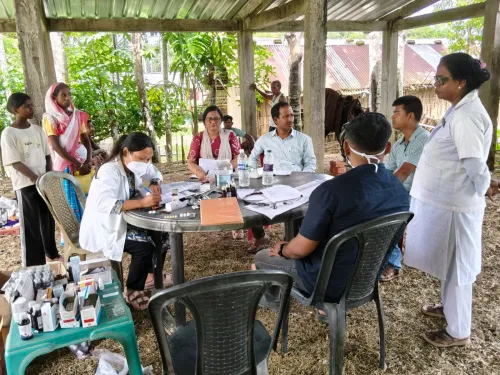
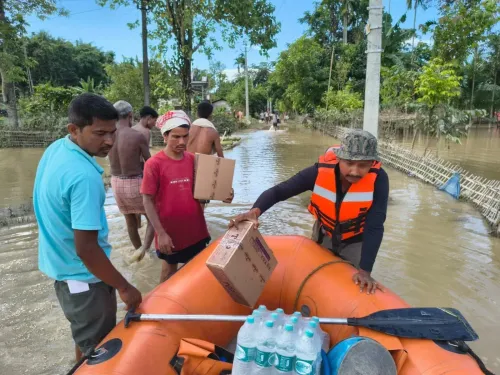
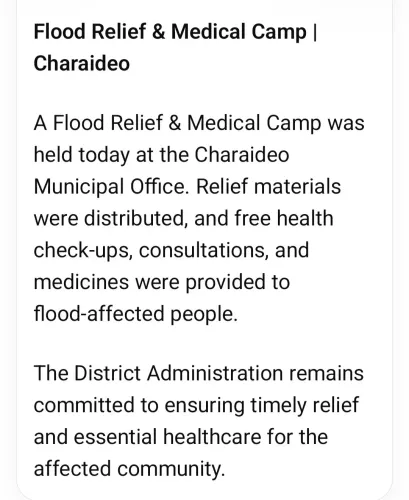
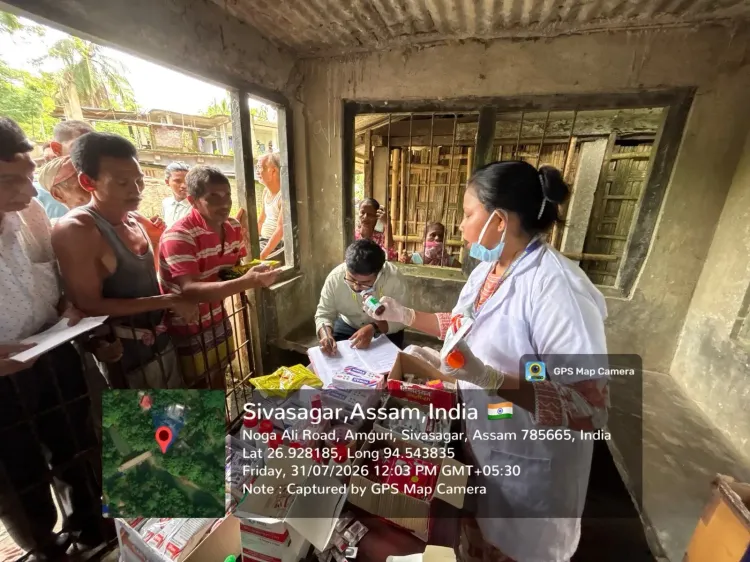
On-ground efforts include medical camps and animal healthcare camps for flood-affected residents and livestock owners.
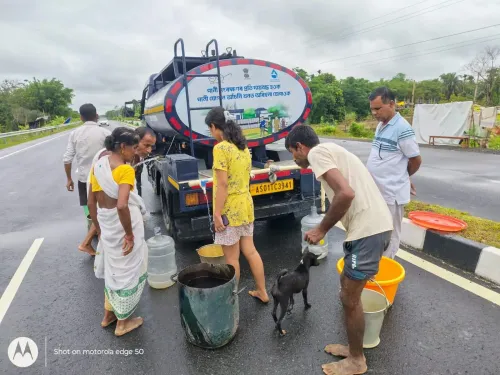
Drinking water supply , power restoration , and sanitation drives are being carried out simultaneously.
The goal is to help affected families return to normalcy 'at the earliest,' per Sarma's post.
Assam faces recurrent annual flooding from the Brahmaputra and Barak river systems, making phased recovery a practised state response.
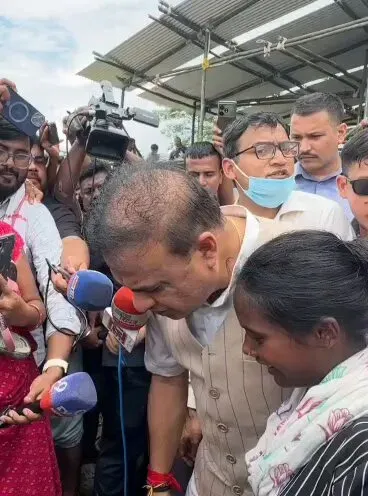
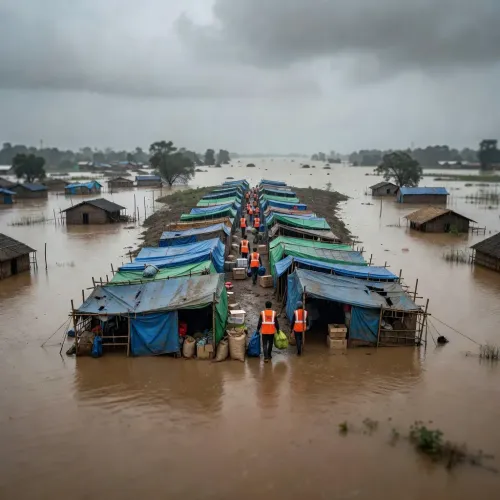
The floodwaters may be receding, but Assam Chief Minister Himanta Biswa Sarma is making clear the state's work is far from over. On Sunday, 2 August 2026, Sarma signalled a deliberate pivot in the government's response to the #AssamFloods — from emergency rescue to the harder, slower work of rebuilding lives on the ground.
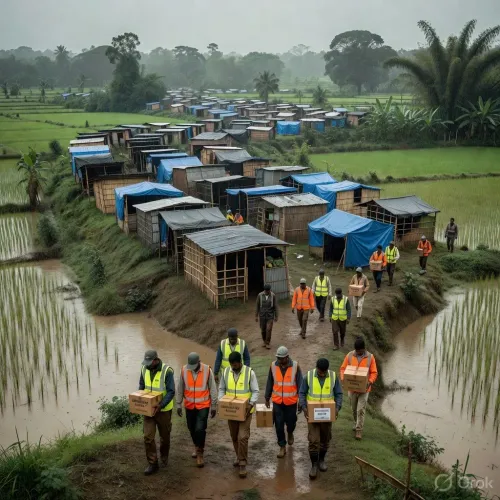
In his post, Sarma outlined an active multi-front recovery effort: medical camps for affected residents, animal healthcare services for livestock, restoration of drinking water supply and power, and sanitation drives — all aimed at helping displaced families return to normalcy 'at the earliest.'
From rescue boats to health camps
The shift from relief to recovery is a critical — and often underreported — phase of any flood response. The immediate danger passes, but communities are left without clean water, functional power grids, or access to basic healthcare. Sarma's enumeration of these specific interventions reflects the layered nature of post-flood rehabilitation that Assam has had to institutionalise over years of recurring monsoon crises.
The inclusion of animal healthcare camps is notably specific. In rural Assam, livestock are both livelihood and life — the loss of cattle or poultry to flood-borne disease can be as devastating to a farming family as the flood itself. Addressing animal health alongside human health signals a ground-level understanding of what recovery actually demands.
Assam's annual reckoning with the Brahmaputra
Assam sits in the floodplain of the Brahmaputra and Barak river systems — among the most flood-prone river basins in the world. The state has endured severe inundation in major monsoon years, and state administrations have developed a phased response template: immediate rescue, followed by relief camps, followed by the recovery operations Sarma described today. The pattern is well-worn; the execution, however, varies every year with the scale of damage.
What to watch now: how quickly power and drinking water are restored to the last affected villages, and whether the central government steps in with additional rehabilitation funding to supplement state resources.
Point of View
He is signalling operational depth and accountability to a flood-weary electorate. For a BJP government governing a state where floods are an annual political liability, demonstrating ground-level continuity of care — especially for livestock, a rural livelihood concern — is as much governance as it is optics. The real test, as always, will be in the restoration timelines and whether central rehabilitation funds follow state-level effort.
NationPress
16 Sept 2026
Frequently Asked Questions
What is the current status of Assam flood relief and recovery in 2026?
As of 2 August 2026 , Assam has shifted from emergency relief to recovery operations. CM Himanta Biswa Sarma confirmed that medical camps, animal healthcare services, drinking water supply, power restoration and sanitation drives are active on the ground.
What services are being provided to Assam flood victims?
The state government is running medical and animal healthcare camps, restoring drinking water supply and electricity, and carrying out sanitation work to help flood-affected families return to normalcy.
Why does Assam flood every year?
Assam lies in the floodplain of the Brahmaputra and Barak river systems, two of Asia's most powerful rivers. Annual monsoon rains cause these rivers to overflow, inundating large parts of the state and displacing communities each year.
What is the difference between flood relief and flood recovery?
Flood relief refers to immediate emergency response — rescue operations, evacuation, and relief camps. Flood recovery is the subsequent phase focused on restoring basic services like healthcare, clean water, power and sanitation so affected communities can return home.
Who is Himanta Biswa Sarma?
Himanta Biswa Sarma is the Chief Minister of Assam since 2021 , a senior BJP leader, and the convenor of the North-East Democratic Alliance (NEDA), a coalition of BJP-allied parties in northeastern India.