Assam Govt Approves Bhupen Hazarika Museum in Guwahati
Synopsis
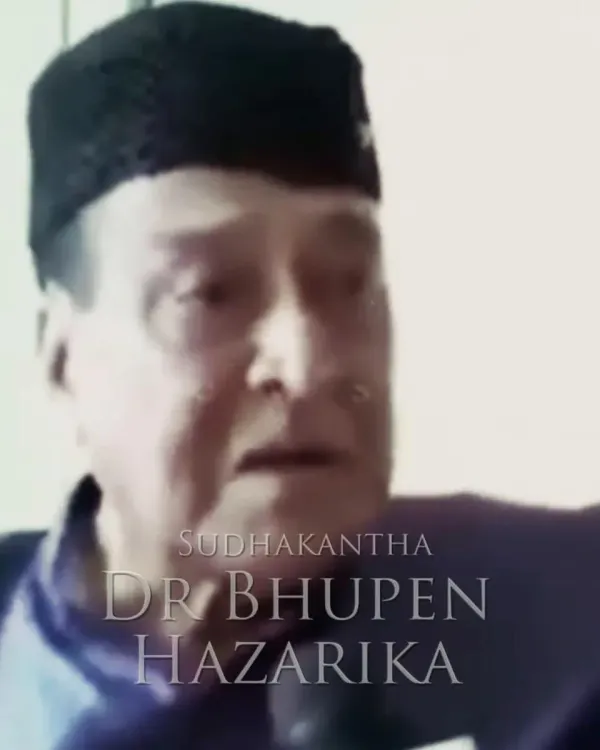
The Government of Assam has approved a state-of-the-art museum honouring legendary singer Dr. Bhupen Hazarika — known as Xudhakantha — at Srimanta Sankardeva Kalakshetra in Guwahati, marking his birth centenary year with a permanent cultural archive.
Key Takeaways
The Government of Assam has officially approved a state-of-the-art museum dedicated to Dr.
The museum will be located at Srimanta Sankardeva Kalakshetra , Guwahati , Assam's premier cultural complex.
The announcement was made on 20 November 2026 , during Dr.
Hazarika's birth centenary year .
The museum aims to preserve his 'immortal melodies and legacy' — including recordings, compositions and biographical material — for future generations.
Budget, design details and a completion timeline have not yet been disclosed publicly.
A hundred years after his birth, Dr. Bhupen Hazarika's voice is about to find a permanent home. The Government of Assam has approved a state-of-the-art museum in honour of the legendary singer-composer at Srimanta Sankardeva Kalakshetra, Guwahati — a decision announced by the Chief Minister's Office of Assam on Friday, 20 November 2026, as the state marks his birth centenary year under the hashtag #BhupenDaAt100.
Xudhakantha's legacy, now enshrined in stone
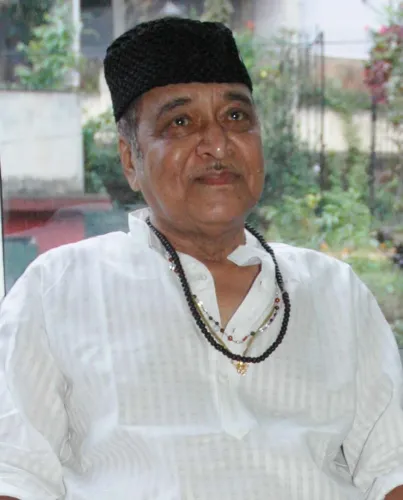
Born on 8 September 1926, Dr. Bhupen Hazarika — reverently called Xudhakantha, meaning 'the golden voice' — spent decades weaving the Brahmaputra river, Assamese folklore, and urgent social commentary into songs that crossed every linguistic frontier. He died in 2011, but his music had long since outgrown Assam's borders, earning him the Bharat Ratna posthumously and a devoted audience across South Asia and beyond. The museum's approval is the most concrete institutional tribute the state has offered since his passing.
The chosen site is deliberate. Srimanta Sankardeva Kalakshetra is Assam's foremost cultural complex, built to celebrate the heritage of the 15th–16th century saint-scholar Srimanta Sankardeva who himself transformed Assamese society through devotional music and drama. Placing a Bhupen Hazarika museum within that campus draws a direct line from medieval Assamese cultural revolution to its 20th-century successor — both artists, centuries apart, who redefined what it meant to sing in Assam.
The centenary moment that made this urgent
2026 is Dr. Hazarika's birth centenary year, and state governments across India have a consistent tradition of anchoring major cultural infrastructure announcements to such milestones. The museum is framed as an archive of his 'immortal melodies and legacy' — a space that could house recordings, manuscripts, instruments, and biographical exhibits for future generations who may never have heard him perform live. Cultural tourism is an obvious secondary dividend for Guwahati, which is already positioning itself as a gateway to the Northeast.
What the museum still needs to deliver
An approval is a beginning, not a ribbon-cutting. Specific budget figures, architectural designs, and a completion timeline have not yet been made public, so the real test will be the speed and quality of execution that follows today's announcement. For Assamese artists, cultural workers, and the diaspora communities who grew up with Moi Eti Jajabor on their lips, the museum's promise is profound. Whether it becomes a living archive or a ceremonial plaque on a wall will depend entirely on what comes next.
Assam has honoured Hazarika with awards and programmes before. This time, the aim is permanence — a building that says, as clearly as any song ever could, that this voice belonged here.
Point of View
High symbolic dividend. Placing it inside Srimanta Sankardeva Kalakshetra is architecturally smart: it clusters Assam's two greatest cultural monuments in one campus, amplifying both tourism draw and institutional prestige. The harder political test arrives when construction budgets are tabled and timelines are set, since Northeast infrastructure projects have a well-documented history of announcement-to-execution gaps. If the Himanta Biswa Sarma administration delivers a world-class facility before the centenary year closes, it cements a lasting cultural legacy of its own.
NationPress
20 Nov 2026
Frequently Asked Questions
Where will the Bhupen Hazarika museum be built in Assam?
The museum will be built at Srimanta Sankardeva Kalakshetra , the major cultural complex in Guwahati , Assam's capital city.
Why is a Bhupen Hazarika museum being announced in 2026?
2026 marks Dr. Bhupen Hazarika's birth centenary — he was born on 8 September 1926 — making this year the most significant milestone for tributes and memorials in his honour.
Who was Bhupen Hazarika and why is he called Xudhakantha?
Dr. Bhupen Hazarika ( 1926–2011 ) was a legendary Assamese singer, composer and lyricist whose songs explored the Brahmaputra, social justice and Assamese identity. Xudhakantha means 'the golden voice' — a title that reflects the depth and reach of his musical gift.
What is Srimanta Sankardeva Kalakshetra in Guwahati?
Srimanta Sankardeva Kalakshetra is Assam's foremost cultural institution, established to preserve and promote the legacy of the 15th–16th century saint-scholar Srimanta Sankardeva and broader Assamese performing arts.
Has the budget or timeline for the Bhupen Hazarika museum been announced?
As of the 20 November 2026 announcement, the Government of Assam has not publicly disclosed specific budget figures, architectural details or a completion schedule for the museum.