Assam Police detain CJP leaders in Guwahati; six women volunteers released
Synopsis
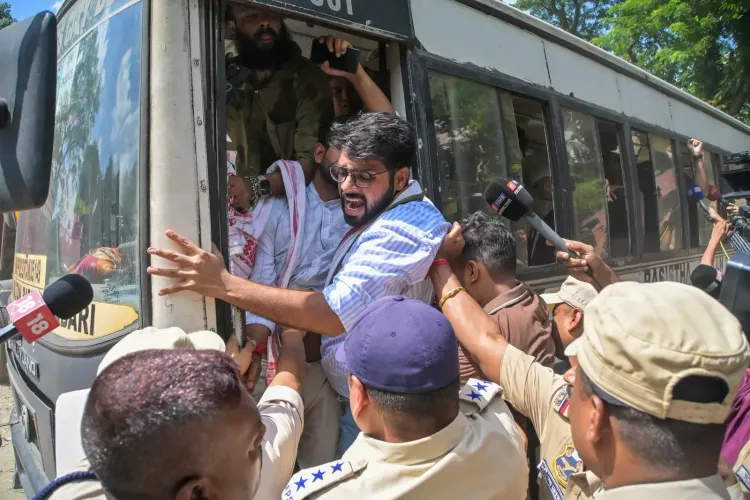
Over 30 CJP workers, including co-convenor Ashutosh Ranka, were detained by Assam Police on Sunday before the party's first regional volunteers' meeting in Guwahati could begin. Six women volunteers were released later in the day, but senior leaders remain in custody — and police have yet to publicly explain the legal grounds for the action.
Key Takeaways
Assam Police detained more than 30 CJP workers — including four central committee members — in Guwahati on 27 September 2026 .
Six women volunteers were released later the same day; co-convenor Ashutosh Ranka and other senior leaders remained in detention.
The detentions preceded the CJP's first regional volunteers' meeting in Assam, which was also forced to shift venues amid alleged pressure on the original host.
CJP founder Abhijeet Dipke alleged lawyers were denied access to detained workers and warned he would travel to Assam if Ranka was not released.
Assam Police had not issued a public statement explaining the legal grounds for the detentions as of Sunday evening.
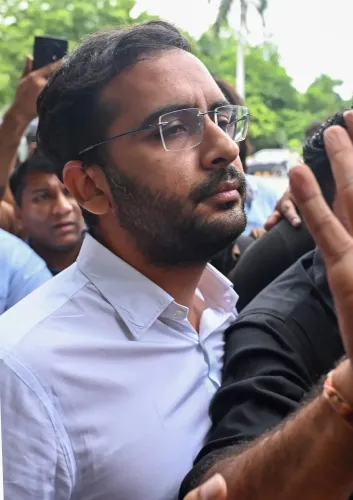
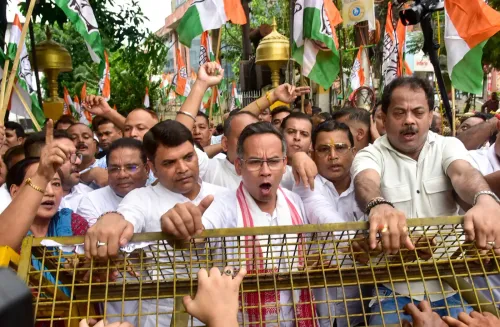
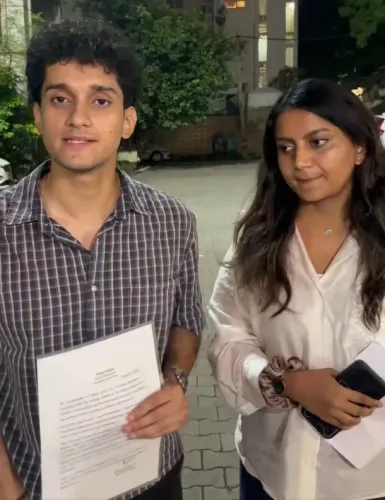
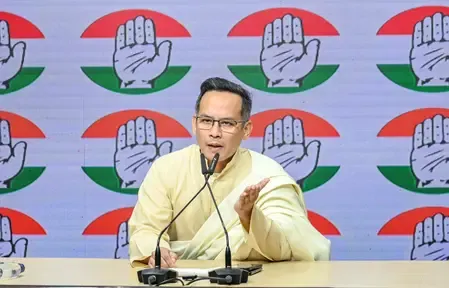
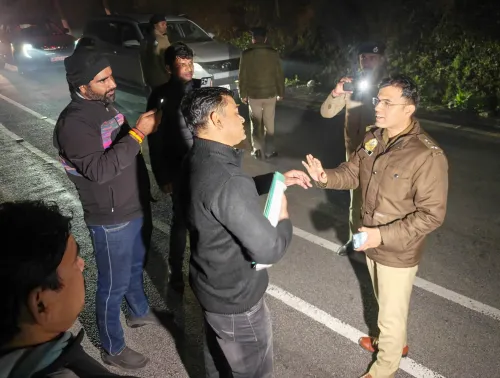
Six women volunteers of the Citizens for Justice and Peace (CJP) detained by Assam Police on Sunday, 27 September 2026, while travelling to a party meeting in Guwahati, were released later the same day, officials confirmed. However, several senior CJP leaders and workers — including co-convenor and chief spokesperson Ashutosh Ranka — remained in detention, with the party demanding their immediate release.
What Triggered the Detentions
The detentions occurred in the lead-up to the CJP's first regional volunteers' meeting in Assam, organised as part of the party's outreach in the state and the Northeast. The meeting was originally scheduled at Assam Shree Parshuram Seva Sadan in Athgaon but was shifted to Chowdhury Tila, opposite the Assam Secretariat. CJP organisers alleged that pressure was exerted on the original venue, forcing the relocation.
On Sunday morning, police detained Ranka and several other CJP leaders and volunteers before the meeting could begin. According to reports, more than 30 CJP workers — including four members of the party's central committee — were taken into custody, though the organisation claimed the actual number was higher. The exact figure could not be independently verified.
What CJP Leaders Alleged
Ranka, who had arrived in Guwahati on Saturday for the programme, accused the Assam government of attempting to prevent the CJP from raising issues concerning government schools, land, forests, and water in the state. Before his detention, he alleged that the party's activities were being blocked because of its proposed outreach among local residents and volunteers.
CJP founder Abhijeet Dipke alleged that Ranka and members of the party team were taken to an undisclosed location. He also claimed that lawyers attempting to meet detained workers were being denied access. Dipke demanded the immediate release of all those still in custody and warned that he would travel to Assam with other party members if Ranka was not freed.
Police Response and Venue Controversy
The Assam Police had not issued a detailed public statement explaining the legal grounds for the detentions in the reports available as of Sunday. This absence of an official explanation has drawn criticism from the party and civil liberties observers. The CJP had planned to meet local volunteers, visit schools, and engage with families in Assam — including individuals concerned about the upcoming revision of electoral rolls.
Background and Broader Context
This is not the first time political gatherings in Assam have been met with police action in recent years, as the northeastern state has remained a sensitive zone amid ongoing debates around citizenship, electoral rolls, and land rights. The CJP's focus on issues such as school infrastructure, forest rights, and water access reflects its attempt to build a grassroots presence in a region where such concerns are acutely felt. The party's claims of obstruction, if substantiated, could raise questions about political space for opposition voices in the state. As of Sunday evening, several leaders remained in detention and their legal status had not been publicly clarified.
Point of View
Detentions ahead of a political meeting require a publicly stated justification; the absence of one invites accusations of extra-legal suppression. The CJP's agenda — schools, land, forests, electoral rolls — touches on issues that are politically sensitive in Assam but are not, on their face, unlawful. The pattern of venue pressure followed by pre-emptive detentions fits a template seen elsewhere in the country when smaller opposition parties attempt to build grassroots presence in contested states.
NationPress
27 Sept 2026
Frequently Asked Questions
Why were CJP workers detained in Guwahati on 27 September?
Assam Police detained more than 30 CJP workers, including co-convenor Ashutosh Ranka, ahead of the party's first regional volunteers' meeting in Guwahati on 27 September 2026. The police had not issued a public statement explaining the legal grounds for the detentions as of Sunday evening.
Who is Ashutosh Ranka and why is his detention significant?
Ashutosh Ranka is the co-convenor and chief spokesperson of the Citizens for Justice and Peace (CJP). His detention is significant because he is the party's most senior figure present in Guwahati and had publicly accused the Assam government of attempting to suppress CJP's outreach on issues like schools, land, and water.
Were all the detained CJP workers released?
No. Six women volunteers were released later on Sunday, but several senior CJP leaders and workers, including Ashutosh Ranka, remained in detention as of Sunday evening. The party has demanded their immediate release.
What was the CJP planning to do in Assam?
The CJP had organised its first regional volunteers' meeting in Assam as part of an organisational outreach in the state and the Northeast. The party planned to meet local volunteers, visit schools, and engage with families — including those concerned about the revision of electoral rolls.
What action has CJP founder Abhijeet Dipke announced?
Dipke alleged that lawyers were being denied access to detained workers and demanded their immediate release. He warned that he would personally travel to Assam with other party members if Ranka was not freed.