Delhi HC agrees to urgent hearing on CJP leaders' release plea in Jantar Mantar case
Synopsis
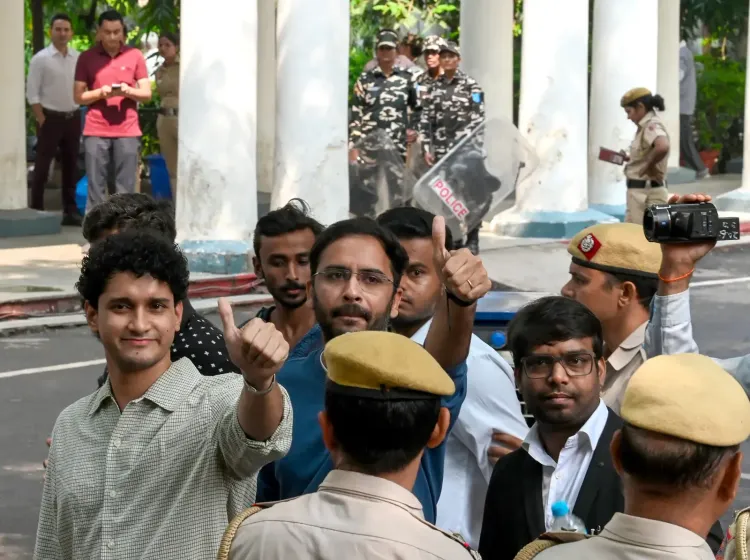
On the day their judicial custody was set to expire, CJP activists Saurav Das and Ashutosh Ranka secured an urgent hearing in the Delhi High Court over their Jantar Mantar trespassing detention — a case rooted in protests against alleged irregularities in electoral roll revision that has twice landed activists in custody this month.
Key Takeaways
The Delhi High Court agreed on 21 October to urgently hear the release plea of CJP activists Saurav Das and Ashutosh Ranka .
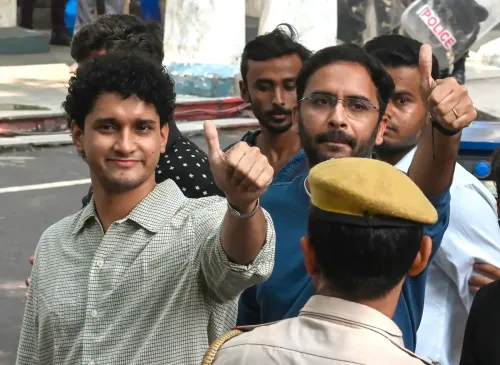
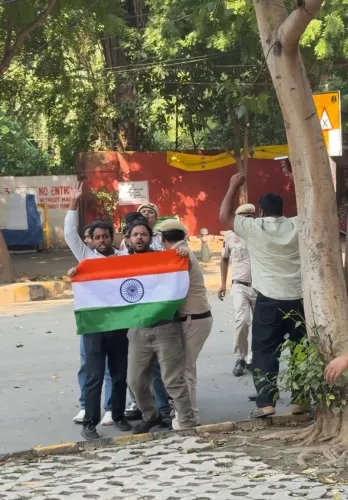
The two were among 14 people detained on 13 October for alleged trespassing at Jantar Mantar and obstructing police duties.
SEM Ritu Raj had extended their custody, saying their conduct 'shows no respect for law' and citing a pattern of protest at de-notified areas.
CJP legal head Ratna Singh posted on X calling for an urgent night hearing, saying their liberty 'must not be curtailed because of political games.' The SEM court also declared their sureties unfit, citing identity document discrepancies, and directed them to furnish fresh sureties.
Delhi Police opposed release, citing repeated law violations and the risk of further instigation.
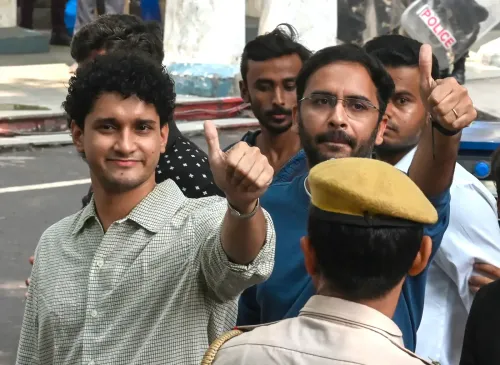
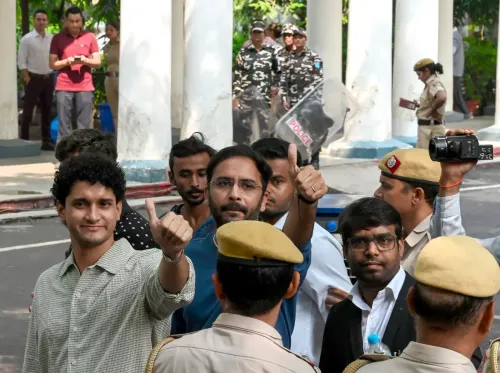
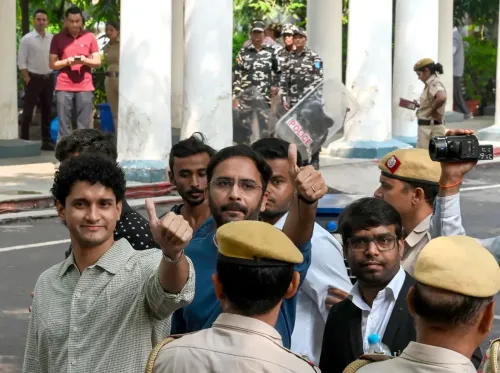
The Delhi High Court on Wednesday, 21 October 2026, agreed to hear urgently a plea filed by Cockroach Janta Party (CJP) activists Saurav Das and Ashutosh Ranka, seeking their release from custody in connection with the Jantar Mantar trespassing case. The development comes on the very day their judicial custody is scheduled to end and when the two activists are also due to be produced before the Special Executive Magistrate (SEM) court.
Background: The Jantar Mantar Detention
Das and Ranka, along with CJP member Ajinkya Shinde, were among 14 people detained on 13 October after they allegedly entered Jantar Mantar through private premises and obstructed police personnel from discharging their official duties. The CJP members were protesting against alleged irregularities in the Special Intensive Revision (SIR) of electoral rolls and had raised slogans against Chief Election Commissioner Gyanesh Kumar.
What the SEM Court Observed
On Monday, SEM Ritu Raj extended their custody, observing that their conduct 'shows no respect for law' and reflects their 'habitualness in calling protest at de-notified areas.' In its order, the SEM court noted that the Investigating Officer had placed substantial material on record, raising concerns over the likelihood of a breach of peace and disturbance of public tranquillity.
The court also recorded that the two leaders had allegedly breached the bonds furnished before the SEM, South-West District, on 11 October, and subsequently committed a breach of peace in the present case. The SEM further held that their assurance of non-repetition 'did not inspire confidence' given their past conduct and the material on record.
Separately, the SEM court found the sureties furnished on behalf of the two leaders unfit following an inquiry, citing discrepancies in identity documents and the sureties' inability to provide basic details about the persons for whom they stood surety. The court directed them to furnish fresh sureties.
CJP's Legal Move and Party Reaction
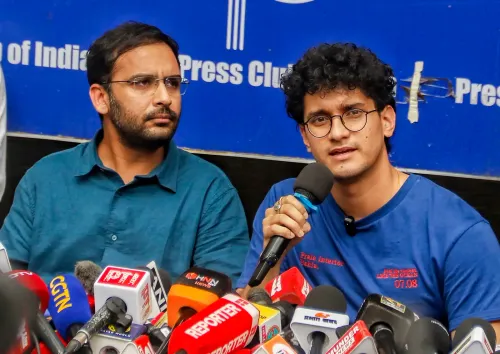
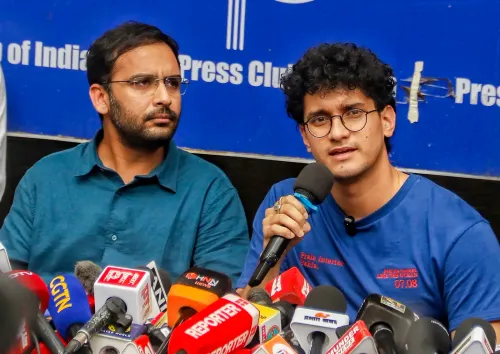
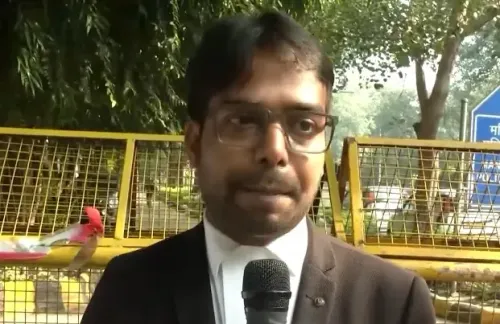
CJP's legal affairs head Ratna Singh said on Tuesday that the duo had moved the High Court and requested an urgent night hearing. 'We have moved the Delhi High Court and requested an urgent night hearing. Saurav and Ashutosh should not spend a single minute behind bars. Their liberty must not be curtailed because of political games. Justice must not wait,' she said in a post on X.
Delhi Police's Position
Delhi Police justified their continued custody, citing repeated violations of law and apprehensions that their release could lead to further violations and the instigation of others. This is the second time within the same month that these activists have faced custody proceedings, underscoring what authorities describe as a pattern of unlawful protest activity at restricted or de-notified areas.
What Happens Next
With the Delhi High Court agreeing to take up the plea on an urgent basis, the case will hinge on whether the High Court finds sufficient grounds to override the SEM's custody extension order. The outcome could have broader implications for how protest-related detentions at restricted public spaces are handled, particularly amid ongoing scrutiny of the electoral roll revision process.
Point of View
The activists' alleged prior breach of bonds just days before this incident weakens the narrative of pure political persecution. The Delhi High Court's decision to hear the matter urgently signals it sees a threshold legal question worth examining — its order will be closely watched as a marker of how the judiciary balances preventive detention with fundamental liberty in protest cases.
NationPress
21 Oct 2026
Frequently Asked Questions
Why were CJP activists Saurav Das and Ashutosh Ranka detained?
They were detained on 13 October after allegedly entering Jantar Mantar through private premises and obstructing police personnel. They were protesting against alleged irregularities in the Special Intensive Revision (SIR) of electoral rolls and had raised slogans against Chief Election Commissioner Gyanesh Kumar.
Why did the SEM court extend their custody?
SEM Ritu Raj extended their custody, observing that their conduct 'shows no respect for law' and reflects a pattern of calling protests at de-notified areas. The court also found that the two had allegedly breached bonds furnished before the SEM on 11 October, and that their assurance of non-repetition did not inspire confidence.
What action has the Delhi High Court taken?
The Delhi High Court agreed on 21 October to hear urgently the plea filed by Das and Ranka seeking their release. The hearing was sought on the same day their judicial custody was due to end.
Who is the Cockroach Janta Party (CJP) and what were they protesting?
CJP is a political party whose members were protesting against alleged irregularities in the Special Intensive Revision (SIR) of electoral rolls. The protest at Jantar Mantar was also directed against Chief Election Commissioner Gyanesh Kumar.
What happens if the Delhi High Court grants the release plea?
If the High Court grants relief, Das and Ranka would be released from custody, overriding the SEM's extension order. The case could also set a precedent for how protest-related detentions at restricted public spaces are judicially reviewed.