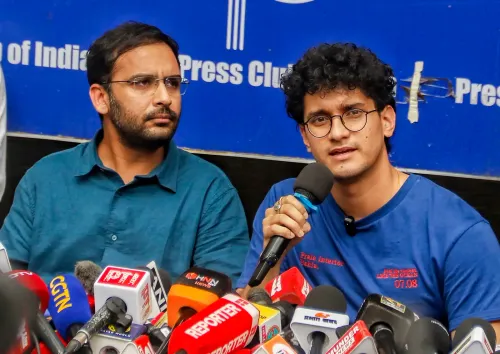
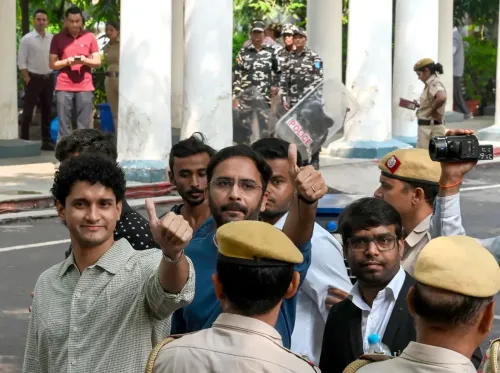
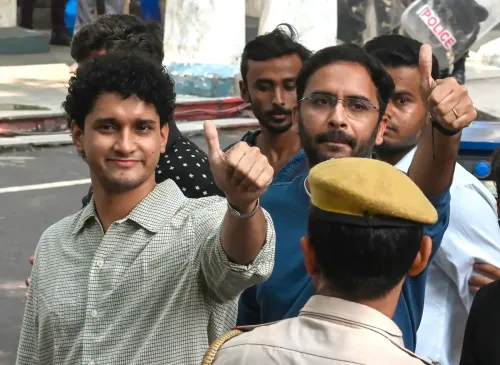
CJP leaders Saurav Das, Ashutosh Ranka in custody till Oct 21 over Jantar Mantar protest
Synopsis
A Delhi magistrate has extended the custody of two Cockroach Janata Party leaders for a second consecutive time, ruling their past conduct and social media calls for protests at banned sites left no room for confidence in their oral assurances. The case spotlights growing judicial scrutiny of protest activity at de-notified locations in the capital amid a contentious electoral roll revision.
Key Takeaways
SEM Ritu Raj extended the judicial custody of CJP leaders Saurav Das and Ashutosh Ranka till 21 October on 19 October 2026 .
The court ruled their conduct “shows no respect for law” and reflects “habitualness in calling protest at de-notified areas.” Oral assurances by the duo’s counsel that they would not repeat the alleged offence were rejected as insufficient given material on record.
Sureties furnished on behalf of the leaders were found unfit due to document discrepancies; fresh sureties were directed.
The two were first detained on 13 October and sent to judicial custody on 14 October in the Jantar Mantar trespassing case .
The protest was against alleged irregularities in the Special Intensive Revision (SIR) of electoral rolls and targeted CEC Gyanesh Kumar .
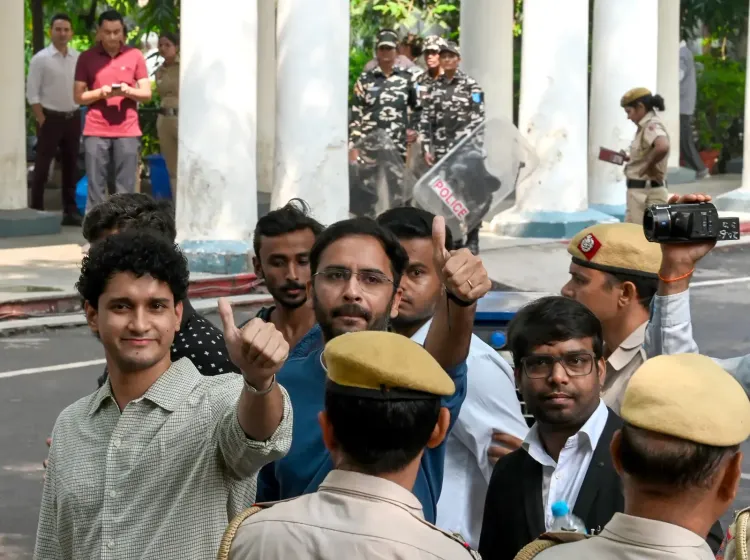
A Special Executive Magistrate (SEM) court in New Delhi on Monday, 19 October extended the judicial custody of Cockroach Janata Party (CJP) leaders Saurav Das and Ashutosh Ranka till 21 October, ruling that their conduct “shows no respect for law” and reflects their “habitualness in calling protest at de-notified areas.”
What the Court Ordered
SEM Ritu Raj found that the two leaders had deliberately breached bonds they had furnished on 10 October before the SEM, South-West District, and had subsequently committed a breach of peace. The court directed Das and Ranka to be produced before it at 2 pm on 21 October and instructed them to submit their written responses within two days, with an advance copy to the investigating officer.
The order noted: “The grounds of apprehension as presented before me apparently suggest that the conduct of the respondents is not above board; rather it shows no respect for law and their habitualness in calling protest at de-notified areas.”
Why Assurances Were Rejected
Counsel for the two leaders argued that Das and Ranka had not issued any fresh calls for protests after 10 October and gave an oral undertaking that the alleged offence would not be repeated. The magistrate rejected this assurance as insufficient, citing the material placed on record by the investigating officer and the duo’s past conduct.
The investigating officer had, according to the order, highlighted repeated calls made by the respondents on social media to mobilise people for protests at non-designated sites — including Jantar Mantar and Connaught Place — despite the availability of designated protest venues elsewhere.
Sureties Found Unfit
In a further setback for the duo, the magistrate found the sureties furnished on their behalf to be unfit after an inquiry. The court cited discrepancies in identity documents and the sureties’ inability to provide basic details about the persons for whom they were standing surety. Das and Ranka were accordingly directed to furnish fresh sureties.
Background: The Jantar Mantar Trespass Case
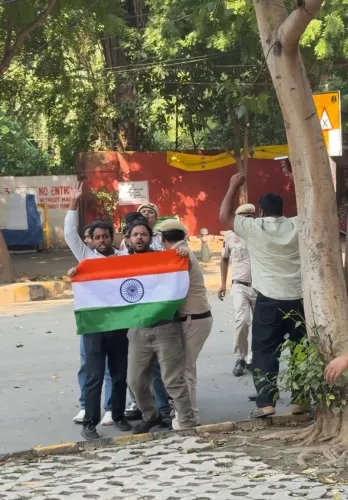
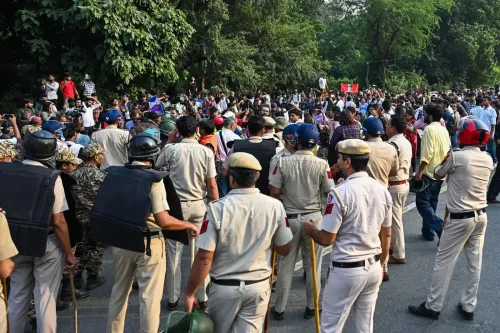
The two CJP leaders were first sent to five-day judicial custody on 14 October in connection with the Jantar Mantar trespassing case. They were among 14 people detained on 13 October after allegedly entering the de-notified protest site through private premises and obstructing police personnel from discharging their official duties.
The CJP members had been protesting against what they described as irregularities in the Special Intensive Revision (SIR) of electoral rolls, and had raised slogans against Chief Election Commissioner (CEC) Gyanesh Kumar. Notably, this is the second consecutive custodial extension for the two leaders, underscoring the court’s assessment that the risk of a fresh breach of peace remains live.
The case will be heard again on 21 October, when the court will assess fresh sureties and the written submissions of the accused.
Point of View
Meaning the legal outcome here carries implications for how dissent around electoral administration is treated. The court’s explicit reference to social media mobilisation as evidence of intent is also a signal worth watching: it suggests magistrates are increasingly factoring digital conduct into custody decisions.
NationPress
19 Oct 2026
Frequently Asked Questions
Why have CJP leaders Saurav Das and Ashutosh Ranka been sent to judicial custody?
Das and Ranka were detained on 13 October 2026 after allegedly entering the de-notified Jantar Mantar protest site through private premises and obstructing police. They were first sent to judicial custody on 14 October and their custody has now been extended till 21 October by SEM Ritu Raj, who cited their conduct as showing ‘no respect for law.’
What is the Jantar Mantar trespassing case about?
The case relates to an incident on 13 October 2026 in which 14 people, including the two CJP leaders, allegedly entered Jantar Mantar — a de-notified protest site — through private premises and obstructed police. The group was protesting against alleged irregularities in the Special Intensive Revision (SIR) of electoral rolls.
Why did the magistrate reject the assurances given by the duo’s counsel?
The magistrate found the oral assurances insufficient because the investigating officer had placed on record substantial material showing repeated social media calls by the duo to mobilise people for protests at non-designated sites such as Jantar Mantar and Connaught Place. The court said past conduct did not inspire confidence.
What happens on 21 October?
Das and Ranka are directed to be produced before the SEM court at 2 pm on 21 October. The court will assess their written submissions and any fresh sureties they furnish, and will decide on further custody or release.
What is the Special Intensive Revision (SIR) of electoral rolls?
The Special Intensive Revision (SIR) is an exercise conducted by the Election Commission of India to update and clean up voter rolls, verifying the inclusion and exclusion of eligible and ineligible voters. The CJP members were protesting against what they alleged were irregularities in this process and had raised slogans against Chief Election Commissioner Gyanesh Kumar.