Assam Police Seize 20 MT of Subsidised Fertiliser at Meghalaya Border
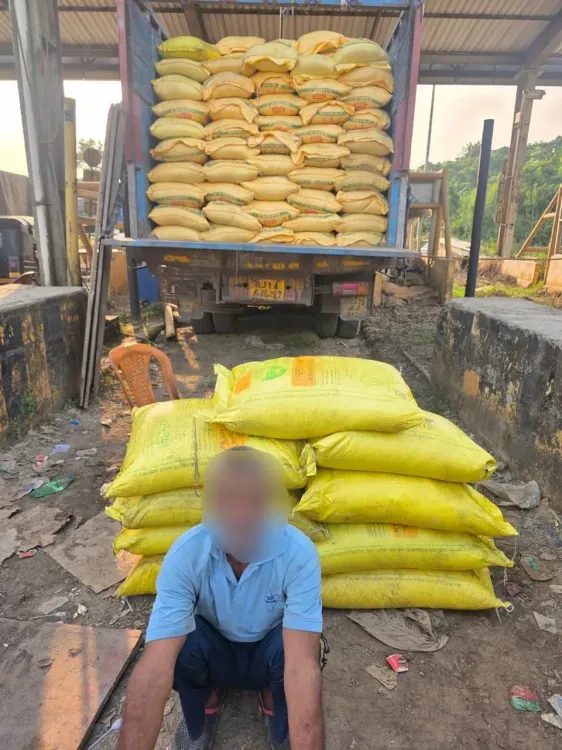
Synopsis
Assam Police intercepted a 14-wheeler truck at the Digorkhal Check Point on the Assam–Meghalaya border, recovering 20 metric tonnes of suspected government-subsidised fertiliser concealed inside rice bags. One person has been arrested, and an investigation is under way into the consignment's origin and intended destination.
Key Takeaways
400 bags (20 metric tonnes) of suspected government-subsidised fertiliser were recovered from a 14-wheeler truck at Digorkhal Check Point on the Assam–Meghalaya border .
The fertiliser was concealed inside rice bags to evade detection during transit.
The intercept was intelligence-led — not a routine check — according to the Chief Minister's Office of Assam .
One person has been apprehended ; the investigation into the consignment's origin and intended buyer is ongoing.
Diversion of subsidised fertiliser across inter-state borders in the Northeast is a recurring enforcement challenge , with small farmers and the central subsidy scheme the primary victims.
India's Direct Benefit Transfer pilot for fertilisers (launched 2016 ) has not fully plugged physical diversion of bagged stock at border crossings.
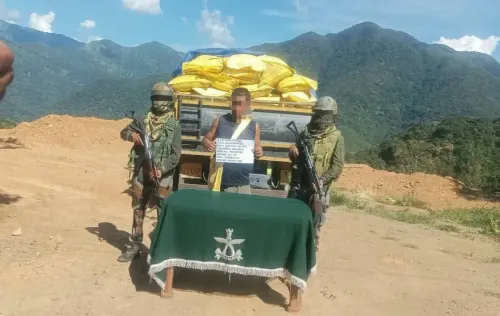
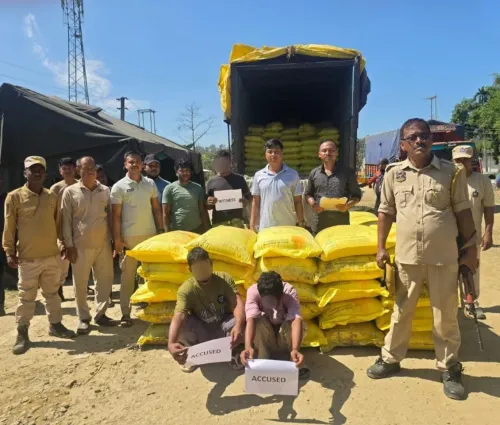
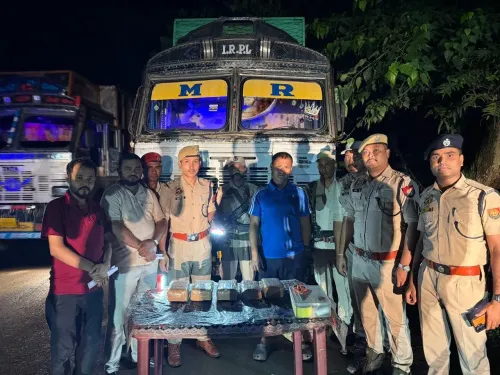
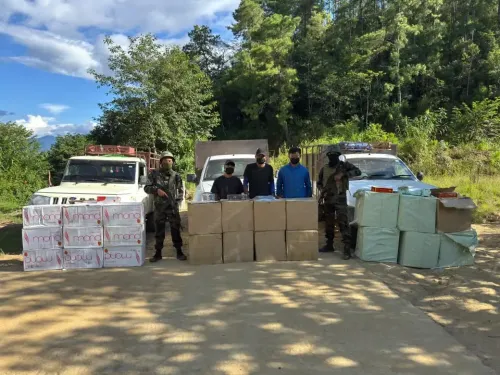
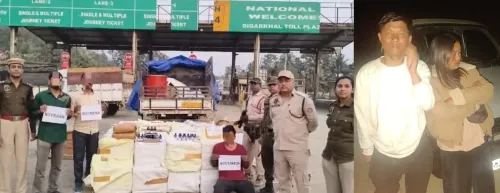
Twenty metric tonnes of suspected government-subsidised fertiliser, hidden inside ordinary rice bags, never made it across the Assam–Meghalaya border on Sunday, 18 October 2026. Acting on specific intelligence, Assam Police stopped a 14-wheeler truck at the Digorkhal Check Point and unloaded 400 bags of the concealed consignment — one of the larger single-haul seizures of its kind on this inter-state corridor. One person has been apprehended.
What Was Hidden, and How
The concealment method is a familiar trick in fertiliser diversion playbooks: subsidised urea or other fertiliser is packed inside sacks labelled as rice, exploiting the sheer volume of agricultural commodity movement across Northeast India's inter-state borders. At 20 metric tonnes — spread across 400 bags — the consignment represents substantial monetary value when diverted from the subsidised supply chain and resold at open-market rates. The Chief Minister's Office of Assam credited targeted intelligence work for the intercept, signalling that tip-offs rather than routine scanning broke the case.
The Subsidy Scheme These Bags Were Meant to Reach
India's fertiliser subsidy programme — a central government scheme — keeps the price of urea and other inputs artificially low so that small and marginal farmers can afford them. The government absorbs the difference between the subsidised retail price and the actual cost, a fiscal commitment that runs to hundreds of billions of rupees annually. When that fertiliser is diverted and re-sold commercially, two harms compound: genuine cultivators face shortages, and public money funds private profit.
A Direct Benefit Transfer pilot for fertilisers, launched in 2016, was designed precisely to close such leakages by linking purchases to biometric authentication at point-of-sale. Yet physical diversion of bagged stock — especially across porous inter-state boundaries in the Northeast — has persisted as an enforcement gap that DBT alone cannot seal.
A Recurring Challenge Along Assam's Inter-State Borders
The Assam–Meghalaya boundary is one of several contested and heavily-trafficked inter-state lines in the Northeast where goods move through scores of informal crossings. State police forces on both sides maintain check points, but the sheer density of truck traffic makes comprehensive scanning difficult. Intelligence-led interceptions — of the kind described here — are considered among the most effective tools available, because they concentrate enforcement on specific consignments flagged in advance rather than relying on random checks.
The investigation now turns to two critical questions: where exactly this consignment originated within the subsidised distribution network, and who was the intended buyer on the other side of the border. The answers could expose either a procurement-level leak in Assam's fertiliser supply chain or a cross-state commercial operation sophisticated enough to source, conceal, and transport at scale.
One arrest is a start. The supply chain that loaded those rice bags still needs an answer.
Point of View
But it cannot stop already-disbursed stock from being re-routed once it leaves the warehouse. The scale of the haul (20 metric tonnes in a single truck) suggests an organised operation rather than opportunistic pilferage, raising questions about whether leakages are occurring at the distribution-chain level rather than at retail. For the Himanta Biswa Sarma government, intelligence-led border interceptions serve a dual purpose: they protect agricultural input supply for Assam's farmers and reinforce the administration's law-and-order credentials ahead of any political cycle. The broader Northeast corridor problem — multiple porous inter-state boundaries and high agricultural commodity traffic — means this kind of enforcement will need to be systematic, not episodic, to produce lasting deterrence.
NationPress
18 Oct 2026
Frequently Asked Questions
What was seized at the Assam–Meghalaya border on 18 October 2026?
Assam Police recovered 400 bags (20 metric tonnes) of suspected government-subsidised fertiliser that had been concealed inside rice bags in a 14-wheeler truck at the Digorkhal Check Point on the Assam–Meghalaya border.
Why is diversion of subsidised fertiliser a problem in India?
India's central government subsidises fertiliser to keep it affordable for farmers. When diverted and resold at market rates, genuine farmers face shortages and public subsidy money funds private profit, undermining the scheme's purpose.
What is the Digorkhal Check Point?
Digorkhal is a check point on the inter-state boundary between Assam and Meghalaya in Northeast India, where security and enforcement agencies monitor the movement of goods across the border.
How does India try to prevent fertiliser subsidy diversion?
The central government launched a Direct Benefit Transfer pilot for fertilisers in 2016 , linking purchases to biometric authentication at point-of-sale. State police also conduct intelligence-led interceptions at border check points to catch diverted consignments in transit.
What happens next after the Assam fertiliser seizure?
Police are investigating the origin of the consignment within the subsidised distribution network and the identity of the intended buyer. The arrested individual will face legal proceedings, and authorities may review fertiliser distribution monitoring in the region.