Abu Azmi demands juvenile age threshold cut to 14 after Tiger Shroff firing
Synopsis
SP Maharashtra chief Abu Azmi has demanded the juvenile age threshold be slashed from 17 to 14, arguing that teens who commit murder deserve adult punishment — a call triggered directly by the Tiger Shroff firing in Juhu, where three suspects including a minor have already been arrested in Kota.
Key Takeaways
Abu Asim Azmi , SP Maharashtra President, demanded the juvenile age threshold be lowered from 17 to 14 years on 19 October 2026 .
His remarks followed a firing on Tiger Shroff's vehicle in Juhu, Mumbai on Sunday evening at around 7 pm .
The driver and another person at the scene were injured; Shroff sustained a glass-fragment injury after leaning forward as shots were fired.
Kota City Police in Rajasthan arrested three suspects, including a minor , at Kota railway station.
Azmi also alleged that the Maharashtra government under Chief Minister Devendra Fadnavis was neglecting law and order in favour of targeting Muslims.
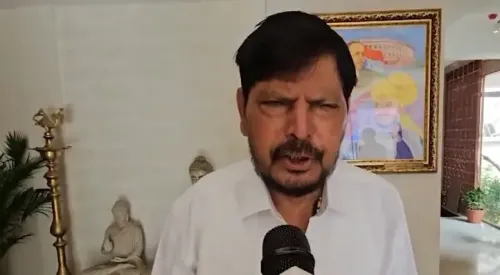
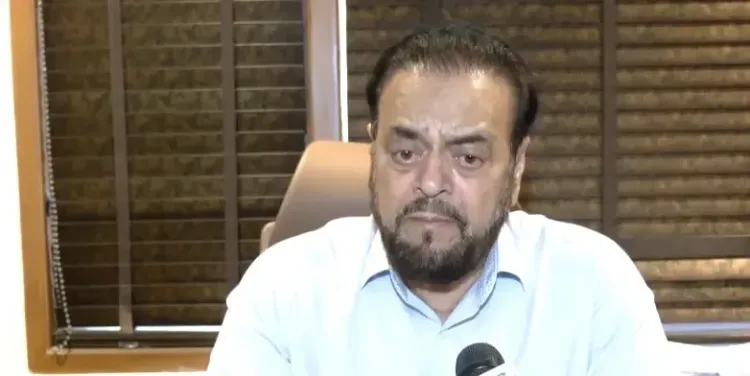
Samajwadi Party (SP) Maharashtra President and MLA Abu Asim Azmi on Monday, 19 October 2026, called for lowering the age threshold for treating an accused as a juvenile from 17 years to 14 years, arguing that adolescents who commit murder should face the same punishment as adults. His remarks came in direct response to the firing incident targeting Bollywood actor Tiger Shroff in Mumbai's Juhu area the previous evening.
What Azmi Said
Speaking to reporters, Azmi argued that teenagers aged 15 or 16 are fully capable of violent acts and should not be shielded by juvenile protections. 'First and foremost, my demand is that the age threshold for a minor be lowered from 17 years to 14 years. At 15 or 16, young people have 'hot blood'; they fear no one and are capable of doing anything. This age limit should be reduced to 12, 13 or 14 years. If they commit murder, they should face the same punishment as anyone else,' he said.
The demand reopens a long-running debate on juvenile justice reform in India. The Juvenile Justice (Care and Protection of Children) Act, 2015 had already lowered the threshold for heinous offences — allowing 16-to-18-year-olds to be tried as adults — but Azmi's call goes further, targeting the floor of that range.
The Tiger Shroff Firing Incident
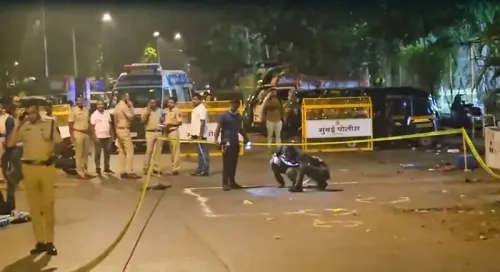
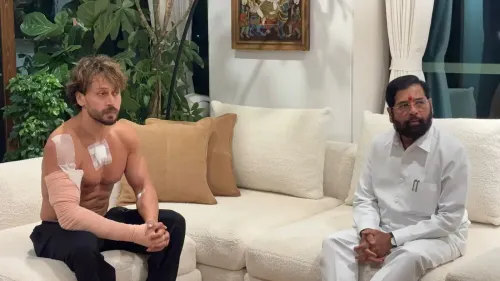
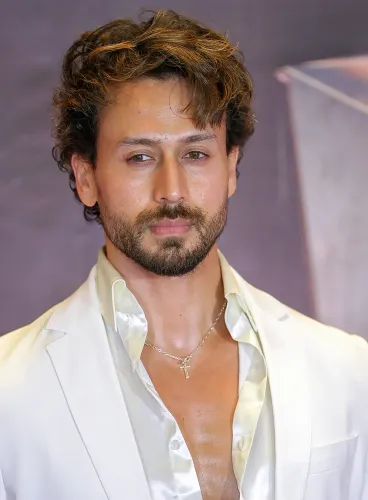
The trigger for Azmi's statement was an attack on Sunday evening at approximately 7 pm, when Tiger Shroff was returning by car from a football ground in Juhu, Mumbai. According to police, assailants fired at the vehicle with a pistol, injuring the driver; another person at the scene was also hit by a bullet. A Mumbai Police official said Shroff managed to lean forward as shots were fired, avoiding a direct hit, though he sustained an injury from shattered glass fragments. Police are investigating the motive, tracing the weapon, and determining whether additional suspects were involved.
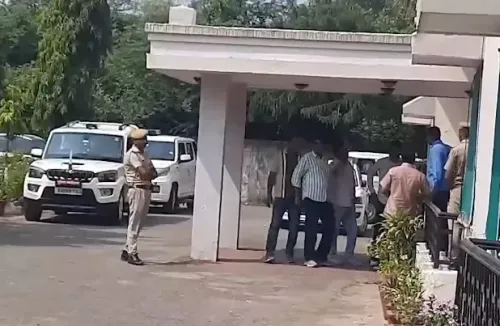
In a significant development, Kota City Police in Rajasthan apprehended three suspects — including a minor — at Kota railway station in connection with the attack.
Mumbai's Law and Order Under the Scanner
Azmi used the incident to mount a broader critique of the law and order situation in Mumbai, citing the earlier killing of politician Baba Siddique and what he described as a pattern of violent crimes going unnoticed when the victims are not public figures. 'First Baba Siddique, now Tiger Shroff, and it doesn't end there. Many other murders have occurred previously as well. However, since those victims were not prominent or famous figures, their cases haven't been highlighted. Murders are rampant in Mumbai. In Mankhurd-Shivaji Nagar, people are being murdered over the most trivial matters. The law and order situation is in a dire state,' he said.
Attack on Maharashtra Government
Azmi also levelled a sharp political charge at the Maharashtra government led by Chief Minister Devendra Fadnavis, alleging that it was diverting attention toward targeting a religious minority rather than tackling crime. 'I want to tell Chief Minister Fadnavis that this government is focussing all its energy on humiliating Muslims,' he said, drawing a comparison with the swift justice systems of Singapore and Arab countries. He added that people in Mumbai were living in constant fear and called it shameful that individuals openly claimed responsibility for violent crimes.
What Comes Next
Police in both Mumbai and Kota are continuing their probe into the Juhu firing, with the arrest of three suspects — one of them a minor — likely to renew calls for tougher juvenile sentencing norms. Whether Azmi's demand gains legislative traction in Maharashtra or at the Centre will depend on the political momentum this case generates in the weeks ahead.
Point of View
And the debate has never fully closed. The arrest of a minor among the Kota suspects gives the call fresh urgency and awkward optics for the current government. What the mainstream coverage risks missing is the double burden here: a genuine policy question about juvenile sentencing being freighted with a communal allegation against the Fadnavis government, which means the substantive reform argument may get buried under the political noise rather than finding its way to a legislative floor.
NationPress
19 Oct 2026
Frequently Asked Questions
What did Abu Azmi demand regarding juvenile offenders?
Abu Asim Azmi demanded that the age threshold for treating an accused as a juvenile be lowered from 17 years to 14 years, arguing that teenagers aged 15 or 16 who commit murder should face the same punishment as adults. He made the demand on 19 October 2026 in response to the firing incident involving actor Tiger Shroff in Mumbai.
What happened in the Tiger Shroff firing incident in Mumbai?
On Sunday evening at approximately 7 pm, assailants fired at Tiger Shroff's vehicle with a pistol as he was returning from a football ground in Juhu, Mumbai. The driver and another person were injured; Shroff sustained a glass-fragment injury but avoided a direct hit by leaning forward when the shots were fired.
Have any suspects been arrested in the Tiger Shroff firing case?
Yes. Kota City Police in Rajasthan apprehended three suspects, including a minor, at Kota railway station in connection with the firing on the Bollywood actor. Police in Mumbai are continuing to investigate the motive and trace the weapon used.
What is the current law on trying juveniles as adults in India?
Under the Juvenile Justice (Care and Protection of Children) Act, 2015, juveniles between the ages of 16 and 18 who are accused of heinous offences can be tried as adults. Azmi's demand goes further, calling for the floor of that range to be brought down to 12, 13, or 14 years.
What did Azmi say about Mumbai's law and order situation?
Azmi described Mumbai's law and order as being in a 'dire state,' citing the killings of Baba Siddique and Tiger Shroff's near-miss as examples, and alleging that many less-publicised murders in areas like Mankhurd-Shivaji Nagar go unnoticed because the victims are not public figures. He also alleged that the Maharashtra government under Chief Minister Devendra Fadnavis was focused on targeting Muslims rather than addressing crime.