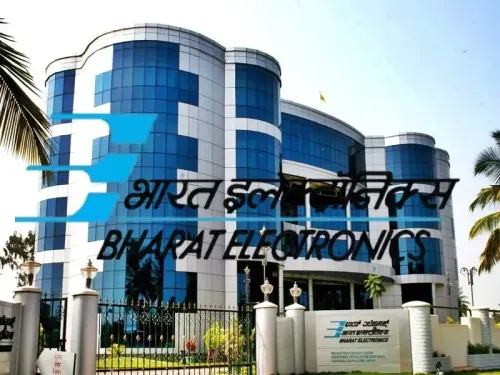
BEL bags ₹1,476 crore defence deal for 5 Mobile Electronic Systems for Indian Army
Synopsis
The Ministry of Defence has handed BEL a ₹1,476 crore contract for five ground-based Mobile Electronic Systems — vehicle-mounted platforms capable of real-time enemy radar detection and 3D battlefield mapping. With a mandatory 72% indigenous content clause, this is as much a test of India's defence manufacturing depth as it is an Army modernisation move.
Key Takeaways
Ministry of Defence signed a ₹1,476 crore contract with BEL, Hyderabad on 6 May 2025 for five Mobile Electronic Systems for the Indian Army.
The deal mandates a minimum 72 per cent indigenous content under the Buy (IDDM) category.
Systems will provide real-time Electronic Warfare (EW) , surveillance, and secure tactical communication capabilities with 360-degree coverage and 3D mapping .
Domestic defence production hit a record ₹1.54 lakh crore in FY 2025-26 ; defence exports reached an all-time high of ₹38,424 crore .
DRDO has transferred 2,200 technologies to industry; over ₹4,500 crore of the Defence R&D budget already utilised by industry, academia, and start-ups.
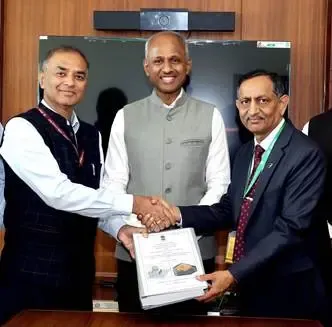
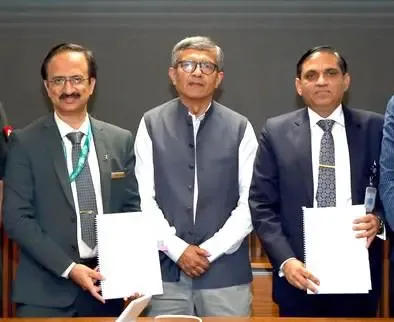
The Ministry of Defence on Tuesday, 6 May 2025, signed a ₹1,476 crore contract with Bharat Electronics Limited (BEL), Hyderabad, for the procurement of five ground-based Mobile Electronic Systems for the Indian Army, mandating a minimum 72 per cent indigenous content. The deal, inked at Kartavya Bhawan, New Delhi, in the presence of Defence Secretary Kumar Singh, marks a significant step in India's push for self-reliance in defence manufacturing.
What the Contract Covers
The agreement falls under the Buy (Indian-Indigenously Designed, Developed and Manufactured) — or Buy (IDDM) — category, the highest priority classification in India's defence procurement policy. BEL will manufacture advanced, vehicle-mounted electronic intelligence platforms designed to detect, analyse, locate, and monitor enemy radar and electronic emissions in real-time.
According to the Ministry of Defence, these systems feature high-sensitivity receivers, 360-degree coverage, and 3D mapping capabilities for rapid battlefield situational awareness and surveillance — focusing on Electronic Warfare (EW), surveillance, and secure tactical communication.
Strategic Importance for the Indian Army
The induction of these five mobile systems is expected to modernise Indian Army units operating in complex electromagnetic environments. Notably, ground-based mobile electronic systems give field commanders the ability to map adversary electronic activity in real-time, a capability increasingly critical in modern warfare where radar and communication jamming play decisive roles.
This contract reinforces the Prime Minister Narendra Modi-led government's commitment to Aatmanirbhar Bharat and the Make in India initiative in the defence sector, according to the Ministry of Defence statement.
Broader Defence Self-Reliance Push
The deal comes days after Defence Minister Rajnath Singh addressed the North Tech Symposium organised by the Indian Army in New Delhi, where he underscored the importance of sustained research and technological surprise in modern warfare. Singh noted that 25 per cent of the Defence R&D budget has been allocated to industry, academia, and start-ups, with these entities having already utilised over ₹4,500 crore of that allocation.
The Defence Research and Development Organisation (DRDO) has transferred 2,200 technologies to various industries to date, Singh added. He further highlighted that domestic defence production has reached a record ₹1.54 lakh crore in Financial Year 2025-26, with defence exports touching an all-time high of ₹38,424 crore.
BEL's Role in India's Defence Ecosystem
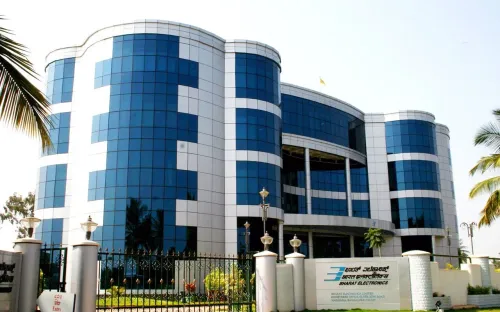
BEL, Hyderabad, is a Navratna defence public sector undertaking with a long track record in delivering electronic warfare and surveillance systems to the Indian armed forces. This latest contract adds to a growing order book that analysts say reflects accelerating indigenisation timelines across the military.
With delivery schedules yet to be publicly disclosed, industry observers will watch whether BEL meets the indigenous content threshold — a benchmark that has sometimes proved challenging for complex electronic systems requiring imported sub-components. The contract's execution will be a key test of the Buy (IDDM) framework's real-world effectiveness.
Point of View
And placing a complex electronic warfare system under it signals genuine intent — not just optics. The real accountability question is whether BEL can hit the 72% indigenous threshold on sub-components like high-sensitivity receivers, which have historically relied on imports. India's defence export surge to ₹38,424 crore is impressive, but the credibility of Aatmanirbhar Bharat will ultimately be judged on whether domestically produced systems perform under operational conditions — not just pass procurement checklists.
NationPress
19 Sept 2026
Frequently Asked Questions
What is the ₹1,476 crore BEL contract signed by the Ministry of Defence?
The Ministry of Defence signed a ₹1,476 crore agreement with Bharat Electronics Limited (BEL), Hyderabad, for the supply of five ground-based Mobile Electronic Systems to the Indian Army. The contract requires a minimum 72 per cent indigenous content and falls under the Buy (IDDM) procurement category.
What do Mobile Electronic Systems do for the Indian Army?
These are vehicle-mounted electronic intelligence platforms that detect, analyse, locate, and monitor enemy radar and electronic emissions in real-time. They offer 360-degree coverage and 3D battlefield mapping, enhancing situational awareness for Electronic Warfare, surveillance, and secure tactical communication.
What is the Buy (IDDM) category in Indian defence procurement?
Buy (Indian-Indigenously Designed, Developed and Manufactured) is the highest priority category in India's defence procurement policy, reserved for products that are both designed and manufactured domestically. It typically requires a minimum indigenous content threshold, set at 72 per cent in this contract.
How does this deal fit into India's broader defence self-reliance goals?
India's domestic defence production reached a record ₹1.54 lakh crore in FY 2025-26, with exports at an all-time high of ₹38,424 crore. The BEL contract reinforces the government's Aatmanirbhar Bharat push, with DRDO having already transferred 2,200 technologies to industry.
Who signed the contract and where?
The contract was signed at Kartavya Bhawan, New Delhi, in the presence of Defence Secretary Kumar Singh. BEL's Hyderabad unit is the designated manufacturer for the five Mobile Electronic Systems.