Bengal Congress rules out seat-sharing in 7 urban civic polls next month
Synopsis
Every major opposition bloc in West Bengal — Congress, CPI(M), and splinter Trinamool factions — has rejected seat-sharing for the seven upcoming urban civic polls. With no united front and BJP eyeing NDA leverage through NCPI, the ruling Trinamool Congress heads into the November contest with its rivals divided and fighting on multiple fronts.
Key Takeaways
West Bengal Congress has ruled out seat-sharing with TMC or the Left Front for elections to 7 urban civic bodies scheduled in November 2026 .
WBPCC president Subhankar Sarkar cited historical 'farcical' local polls and BJP's structural advantage as reasons to avoid an alliance.
CPI(M) will contest independently despite being part of the INDIA bloc nationally, calling the polls an organisational strength test.
Democratic Trinamool Congress , led by Ritabrata Banerjee , will also contest without any alliance understanding.
20 NCPI Lok Sabha members (ex-TMC) are seeking a seat-sharing deal with the BJP under the NDA banner.
Results for the civic polls are expected in the first week of December 2026 .
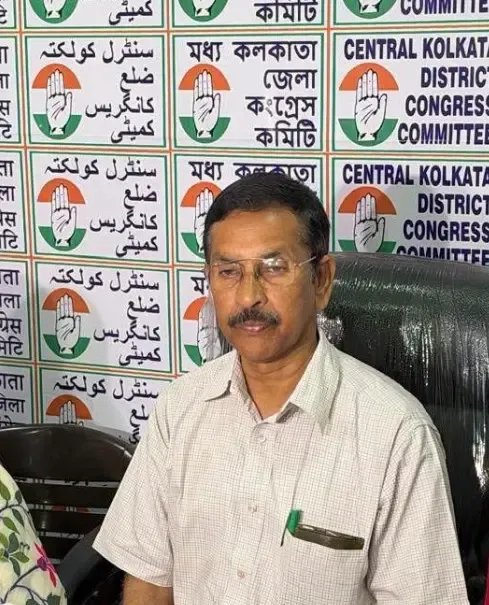
The West Bengal Congress has categorically ruled out any seat-sharing arrangement with either the Mamata Banerjee-led All India Trinamool Congress (TMC) faction or the CPI(M)-led Left Front for the state's upcoming elections to seven urban civic bodies, including the Kolkata and Howrah Municipal Corporations, tentatively scheduled for the last week of November 2026. The decision was confirmed by the state party leadership despite informal overtures from the Trinamool side about a possible alliance.
Congress Stance: Why No Alliance This Time
According to West Bengal Pradesh Congress Committee (WBPCC) president Subhankar Sarkar, a seat-sharing arrangement for these civic body polls would be futile given the structural advantages enjoyed by the ruling establishment. Sarkar argued that local body polls in the state have historically been rendered into a 'farcical exercise' due to the combined clout of the ruling party and the state administration.
'This time also there will be no difference, and in all probability BJP candidates will win from almost all the wards in these seven municipal bodies, taking advantage of its leverage. In that case, BJP will have the opportunity to claim victory as a spontaneous public support against united opposition. So, the urban civic body polls are not the ideal opportunity to try this seat-sharing arrangement,' Sarkar said.
Sources within the WBPCC confirmed that while the Trinamool side had sent informal signals, the top state leadership rejected the idea outright, viewing these polls as unsuitable for any such political experiment.
Left Front Chooses Independent Path
The CPI(M) leadership has similarly distanced itself from any alliance framework for the civic polls, despite being part of the Indian National Developmental Inclusive Alliance (INDIA) bloc at the national level. A CPI(M) central committee member, who did not wish to be named, made the party's position explicit.
'The question of having any seat-sharing arrangement with any faction in Trinamool Congress is out of the question. At the same time, any understanding with Congress at this point is also not desirable, since we believe that the forthcoming urban civic body polls will be the best opportunity for us to understand where we stand in terms of our organisational strength,' the leader said.
This marks a notable divergence from the INDIA bloc's national coordination, underscoring a recurring tension between electoral alliances forged at the Centre and ground realities in state-level contests — particularly in West Bengal, where three-cornered fights have historically scrambled opposition arithmetic.
Splinter Groups and NDA Angles
Further fragmenting the opposition landscape, the Democratic Trinamool Congress — the breakaway faction led by Ritabrata Banerjee — has also confirmed it will contest independently, with no understanding with any other political force.
Meanwhile, the bloc of 20 Trinamool Congress-turned-National Citizens' Party of India (NCPI) Lok Sabha members, who claim alignment with the BJP-led National Democratic Alliance (NDA), has expressed keenness for a seat-sharing arrangement with the BJP for the civic polls. That negotiation adds another layer of complexity to an already fragmented contest.
Poll Schedule and What Comes Next
The tentative schedule places voting for the seven urban civic bodies in the last week of November 2026, with results expected in the first week of December. The seven bodies include high-profile corporations such as Kolkata and Howrah. With each major opposition bloc now committed to going it alone, the ruling TMC is well-positioned to consolidate its urban vote without the threat of a coordinated rival front. All eyes will be on voter turnout and the extent to which the BJP's NDA alignment with NCPI translates into ward-level gains.
Point of View
Not an aberration, and West Bengal is its sharpest example. Sarkar's warning about BJP exploiting a divided opposition to claim legitimacy is analytically sound, yet the Congress itself is unwilling to act on it. Meanwhile, CPI(M) treating these polls as an internal audit rather than a contest worth winning signals how far the Left has retreated from its urban Bengal strongholds — and how little confidence it has in a recovery without going it alone first.
NationPress
24 Oct 2026
Frequently Asked Questions
Why has the West Bengal Congress ruled out seat-sharing for the urban civic polls?
The West Bengal Congress has rejected seat-sharing because it believes local body polls in the state are structurally skewed by the ruling party's influence and state administration, making alliances meaningless. WBPCC president Subhankar Sarkar also warned that a divided opposition could hand BJP an undeserved legitimacy boost if it sweeps the wards.
When are the West Bengal urban civic body polls scheduled?
The elections for seven urban civic bodies, including Kolkata and Howrah Municipal Corporations, are tentatively scheduled for the last week of November 2026. Results are expected to be declared in the first week of December 2026.
Is CPI(M) also contesting the West Bengal civic polls independently?
Yes. CPI(M) has confirmed it will contest independently without any seat-sharing with either TMC factions or the Congress, despite being part of the INDIA bloc at the national level. The party has said it views these polls as an opportunity to assess its own organisational strength.
Who is Subhankar Sarkar and what is his role in this story?
Subhankar Sarkar is the president of the West Bengal Pradesh Congress Committee (WBPCC). He is the state Congress chief who publicly articulated the party's decision to contest the civic polls independently, citing the futility of alliances in local body elections in West Bengal.
What is the NCPI's position on the civic polls?
The National Citizens' Party of India (NCPI), formed by a bloc of 20 former TMC Lok Sabha members who now align with the BJP-led NDA, is reportedly keen on a seat-sharing arrangement with the BJP for the upcoming civic polls. This adds another dimension to an already fragmented opposition landscape.