Bengal Polls Phase 2: Central Forces on SOS Standby for Intimidated Voters
Synopsis
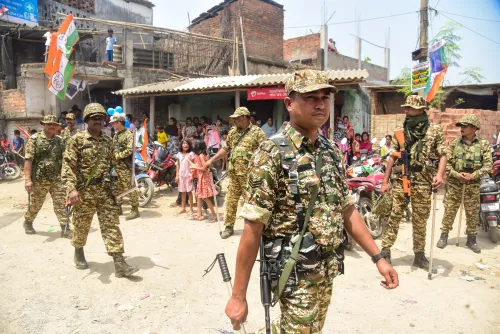
The Election Commission has activated an unprecedented SOS escort system for West Bengal's April 29 Phase 2 polls, directing central forces to physically accompany intimidated voters to booths — a direct response to Phase 1 complaints, with Diamond Harbour under special security watch.
Key Takeaways
The ECI has directed central forces to escort intimidated voters to polling booths on distress calls during April 29 Phase 2 elections in West Bengal.
Voters can report intimidation via a dedicated helpline or email to the CEO's office ; complainant identity will remain confidential.
Diamond Harbour subdivision in South 24 Parganas has been identified as a high-risk zone due to its history of electoral violence.
2,407 companies of central armed forces including CAPF, IRB, and state armed police will provide blanket security cover.
Police observer count has risen from 84 in Phase 1 to 95 in Phase 2 , alongside 142 general observers .
Election results for both phases will be declared on May 4 .
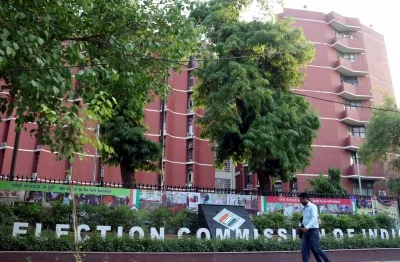
As West Bengal gears up for the April 29 second phase of Assembly elections covering 142 constituencies, the Election Commission of India (ECI) has deployed central forces on standby to escort intimidated voters directly to polling booths upon receiving distress calls — a significant escalation in voter protection measures following complaints from Phase 1.
What the Election Commission Directed
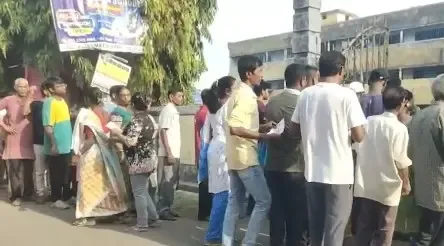
Following the April 23 first phase of polling, the ECI received complaints from a section of voters who reported facing intimidation while en route to cast their votes — even as the process inside polling booths remained largely peaceful. Acting swiftly, the Commission has now directed nodal officers to keep a dedicated section of central forces on rapid-response standby for Phase 2.
According to an insider from the office of the Chief Electoral Officer (CEO) of West Bengal, any voter facing intimidation on polling day can contact the CEO's office through a dedicated helpline number or via email. The identity of complainants will be kept strictly confidential, and forces will be dispatched to the location upon verification of the complaint.
Diamond Harbour Under Special Watch
Notably, the ECI has placed particular emphasis on the Diamond Harbour subdivision in South 24 Parganas district, a region with a documented history of electoral violence. Officials acknowledge that voter intimidation in this pocket has been a recurring concern across election cycles, making it a focal point for Phase 2 security planning.
This is not an isolated concern — Diamond Harbour has repeatedly featured in reports of poll-related coercion, and the Commission's targeted approach signals a shift from reactive to proactive security deployment in sensitive zones. This comes amid broader national concerns about free and fair polling in states with entrenched political rivalries.
Scale of Security Deployment
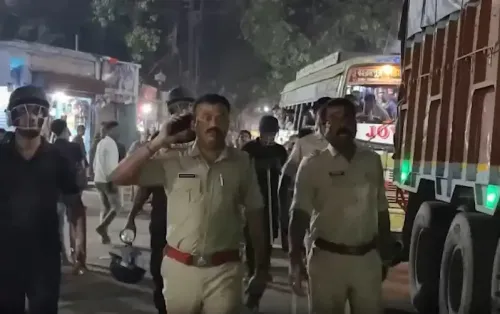
The second phase will be conducted under the security cover of 2,407 companies of central armed forces, comprising personnel from the Central Armed Police Force (CAPF), India Reserve Battalion (IRB), armed police wings from other states, as well as Kolkata Police and West Bengal Police. This represents one of the most extensive security deployments in recent Bengal election history.
Polling oversight has also been significantly strengthened, with 142 general observers — one per constituency — and 95 police observers assigned, up from 84 police observers in Phase 1. The 142 constituencies span six districts and the state capital, Kolkata.
CEO's Appeal and What Comes Next
West Bengal Chief Electoral Officer Manoj Kumar Agarwal has issued a direct appeal to voters ahead of Phase 2, urging them to exercise their franchise without fear.
Point of View
The Commission is responding to a structural problem that successive state governments have failed to address. The spotlight on Diamond Harbour is telling: it signals that the ECI is no longer willing to treat electoral violence in politically entrenched pockets as an acceptable anomaly. Whether this mechanism is robustly implemented or remains a paper directive will define the credibility of Phase 2.
NationPress
16 Sept 2026
Frequently Asked Questions
Who can voters call if they face intimidation during Bengal Phase 2 polling?
Voters facing intimidation on April 29 can contact the West Bengal CEO's office through a dedicated helpline number or email. Their identity will be kept confidential, and central forces will be dispatched to escort them to the polling booth if required.
Why is Diamond Harbour under special security focus in Bengal Phase 2?
Diamond Harbour subdivision in South 24 Parganas has a documented history of electoral violence, making it a high-risk zone. The ECI has specifically directed enhanced vigilance and rapid-response force deployment in this area for Phase 2.
How many central forces are deployed for West Bengal Phase 2 elections?
A total of 2,407 companies of central armed forces have been deployed for Phase 2, including CAPF, India Reserve Battalion, armed police from other states, Kolkata Police, and West Bengal Police.
When will West Bengal Assembly election results be declared?
Results for the West Bengal Assembly elections, covering both Phase 1 (April 23) and Phase 2 (April 29), will be declared on May 4, 2025.
What voter complaint in Bengal Phase 1 led to the SOS escort system?
During Phase 1 on April 23, a section of voters reported facing intimidation while travelling to polling booths, even though the process inside the booths was peaceful. The ECI responded by activating an SOS escort mechanism for Phase 2 to address this gap in voter protection.