Bengal schools to run anti-tobacco drives under new SOP, 8.5% teens addicted

Synopsis
A survey finding that 8.5% of Bengal's 13–15-year-olds are hooked on cigarettes or gutkha has prompted the state to roll out one of India's more structured school anti-tobacco frameworks — complete with block-level health teams, a 100-point self-assessment, and a formal 'Tobacco-Free Institution' certification that schools must earn every six months.
Key Takeaways
West Bengal has issued a new anti-tobacco SOP to district chief health officers, mandating programmes in every school.
A survey found 8.5% of students aged 13 to 15 in Bengal are addicted to cigarettes or gutkha.
Schools must score 90% or above in a biannual 100-mark self-assessment to earn the TOFEI certificate.
Block-level teams comprising RBSK Medical Officers , nurses, pharmacists, counsellors, and health managers will visit schools.
Tobacco monitoring committees will ensure no tobacco sales occur within 100 yards of school premises.
Students will be counselled on addiction and educated about COTPA 2003 ; parents will be engaged through PTMs.
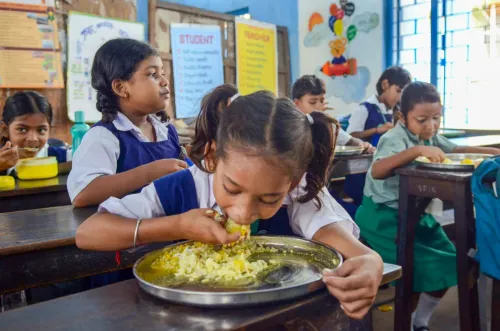
The West Bengal government has launched a structured anti-tobacco initiative targeting school students across the state, issuing a new Standard Operating Procedure (SOP) to the chief health officer of every district. The move follows survey data showing that 8.5% of students aged 13 to 15 in Bengal are addicted to cigarettes or gutkha — a figure that officials say demands urgent institutional intervention.
What the New SOP Mandates
Under the guidelines, every school in West Bengal must conduct an anti-tobacco awareness programme. Students found to be addicted will first receive behavioural counselling; those requiring further support will be referred to higher health centres. Schools must also conduct a self-assessment of 100 marks once every six months. Only institutions scoring 90% or above will be awarded the certificate of 'Tobacco-Free Educational Institution' (TOFEI).
Block-Level Teams and School Monitoring
A dedicated team is being constituted in each block to drive compliance. The team will comprise a Rashtriya Bal Swasthya Karyakram (RBSK) Medical Officer, Staff Nurse, Pharmacist, Research Counsellor, and Block Health Manager, who will conduct regular school visits. A tobacco monitoring committee will also be formed within every school to verify that tobacco is not being sold within 100 yards of the premises. Coordination with parents, local panchayats, youth organisations, and police stations will be established to enforce this perimeter.
Awareness and Enforcement Measures
Beyond counselling, schools will organise quizzes, poster competitions, and debates on the harms of tobacco. Research counsellors are tasked with sensitising both students and parents; tobacco-related discussions will be included in parent-teacher meetings. Students will also be educated about the Cigarettes and Other Tobacco Products Act (COTPA) 2003, with the SOP calling for stricter enforcement of the anti-tobacco Act (2003).
Physical Compliance for TOFEI Certification
To qualify for the TOFEI certificate, schools must display a 'Tobacco Free Area' board prominently on campus and place a tobacco-free institution banner at the main gate. The premises must show no evidence of cigarettes, bidi pieces, gutkha, khaini packets, or spit stains. Public health officials confirmed that the overarching aim is to make all educational institutions in the state tobacco-free.
Context and What Comes Next
This initiative comes amid growing concern over early-onset tobacco use in India, where adolescent addiction often precedes lifelong dependency. West Bengal's SOP-driven approach — combining counselling, community coordination, and a certification framework — is notably more structured than standalone awareness campaigns run in other states. Notably, this is also among the few state-level programmes to formally link school certification to a quantified compliance score. How consistently the block-level teams are deployed and whether the TOFEI framework is independently audited will determine whether the initiative delivers measurable outcomes.
Point of View
Deploys multi-disciplinary block teams, and loops in panchayats and police. The gap, as always, will be in execution fidelity. India has a long record of well-designed school health frameworks that dissolve at the block level for want of monitoring. Whether the TOFEI audit is genuinely independent or becomes a rubber stamp will tell us whether this is policy or paperwork.
NationPress
21 Oct 2026
Frequently Asked Questions
What is the TOFEI programme launched by the West Bengal government?
TOFEI stands for Tobacco-Free Educational Institution, a certification awarded by the West Bengal government to schools that score 90% or above in a biannual 100-point self-assessment on anti-tobacco compliance. Schools must meet physical, awareness, and enforcement criteria to qualify.
Why has West Bengal launched this anti-tobacco initiative for schools?
The initiative follows a survey showing that 8.5% of students between the ages of 13 and 15 in Bengal are addicted to cigarettes or gutkha. Officials said the scale of adolescent tobacco use demanded a structured, institution-level response.
What will block-level health teams do under the new SOP?
Each block will have a dedicated team comprising an RBSK Medical Officer, Staff Nurse, Pharmacist, Research Counsellor, and Block Health Manager. These teams will visit schools to oversee awareness programmes, counselling, and compliance with tobacco-free norms.
What are the physical requirements for a school to be declared tobacco-free?
Schools must display a 'Tobacco Free Area' board on campus and a tobacco-free banner at the main gate. The premises must be free of cigarettes, bidi pieces, gutkha, khaini packets, and spit stains. Tobacco sales within 100 yards of the school must also be prevented.
How will students addicted to tobacco be helped under this programme?
Addicted students will first receive behavioural counselling at the school level. If their condition requires further intervention, they will be referred to a higher health centre, according to the new SOP issued by the West Bengal Health Department.