West Bengal Civil Defence signs MoU with WBRC to expand HAM radio training
Synopsis
West Bengal has formally institutionalised HAM radio as part of its disaster response framework, signing an MoU with the West Bengal Radio Club to scale up volunteer training — a direct lesson drawn from communication blackouts during the Nepal flash floods. The club's operators have a track record dating to the 1999 Odisha Super Cyclone and are now officially designated as lifesavers.
Key Takeaways
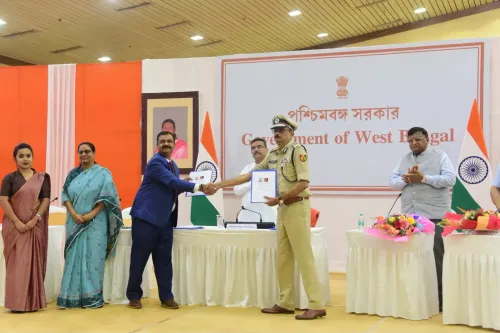
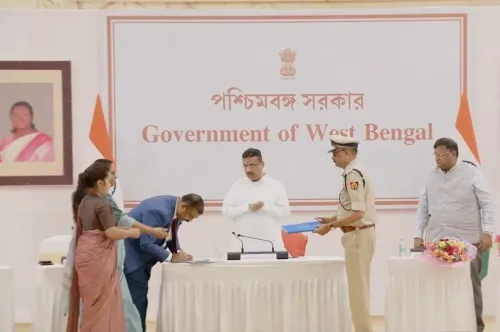
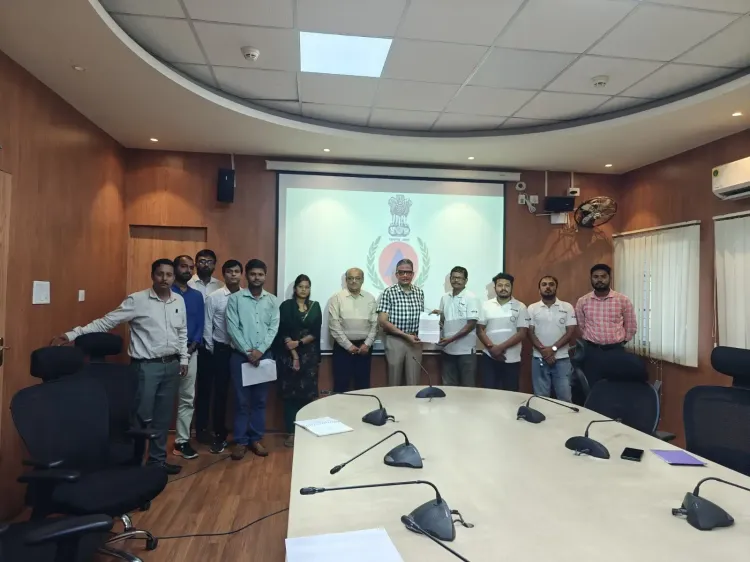
The West Bengal Disaster Management and Civil Defence Department signed an MoU with the West Bengal Radio Club (WBRC) on 9 October 2026 in Kolkata .
The partnership will expand training of civil defence volunteers in amateur (HAM) radio communication for use during disasters.
The move was prompted by communication disruptions during the recent Nepal flash floods .
WBRC has operated during major disasters since the 1999 Odisha Super Cyclone , including the 2015 Nepal earthquake .
The club also trains students at educational institutions and maintains links during the annual Gangasagar Mela at Sagar Island .
IPS officers Sanjay Singh and Debashis Sarkar represented the Civil Defence Department at the signing.
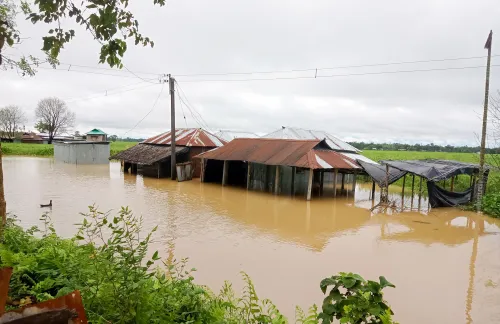
The West Bengal Disaster Management and Civil Defence Department on Friday, 9 October 2026 signed a Memorandum of Understanding (MoU) with the West Bengal Radio Club (WBRC) in Kolkata, formalising a partnership to train more volunteers in amateur radio communication for disaster response. The move comes in the wake of disrupted communication links during the recent Nepal flash floods, which underscored the critical role of HAM radio when conventional networks fail.
What the MoU Entails
Under the agreement, the WBRC — an organisation of licensed amateur radio operators — will expand volunteer training through its affiliated Indian Academy of Communication and Disaster Management. Several civil defence volunteers from across West Bengal have already completed training and obtained licences to operate amateur radio sets. The new MoU accelerates this effort, with experts tasked to monitor trainees' ability to set up radio stations in remote and hard-to-reach areas.
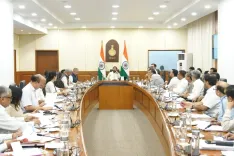
Among those present at the signing were IPS officers Sanjay Singh and Debashis Sarkar from the Civil Defence Department, alongside senior functionaries of the WBRC.
Why HAM Radio Matters in Disaster Response
'During cyclones, floods and earthquakes, when conventional communication links get cut off, the HAMs play a crucial role in ensuring co-ordination between various teams engaged in rescue and relief efforts,' said Ambarish Nag Biswas, secretary of the WBRC. He added that all WBRC members hold the necessary licences and are capable of setting up radio stations within a short period using minimal equipment.
Subir Dutta, president of the WBRC, called the signing 'an extremely proud moment,' noting that amateur radio operators are now officially designated as lifesavers. 'While we have been doing this for a long time, the signing of the MoU recognises that role formally,' he said.
A Track Record Stretching Back Decades
The WBRC's disaster communication work first gained wide recognition during the 1999 Odisha Super Cyclone, when members reached remote areas, fixed temporary antennae to treetops, and restored vital communication links. In 2015, a WBRC team travelled to Nepal after a devastating earthquake and helped coordinate rescue agencies on the ground.
This year, a team was mobilised and ready to deploy to Nepal following the flash floods, but did not receive permission from the Nepalese government. Closer to home, WBRC teams have also maintained communication links at Sagar Island during the annual Gangasagar Mela — even before mobile connectivity reached the island — helping people in distress during the mass gathering.
Growing Outreach to Educational Institutions
The organisation's remit is expanding beyond disaster response. Several colleges and educational institutions have recently approached the WBRC to train students in wireless communication — covering how to obtain licences and operate independent radio stations. 'We have endeavoured to turn a hobby into a life-saving exercise. Today, our efforts are recognised across the country,' Nag Biswas said.
With the MoU in place, West Bengal becomes one of the few Indian states to institutionalise HAM radio as a formal pillar of its civil defence infrastructure — a model that other disaster-prone states may look to replicate.
Point of View
Where a WBRC team was on standby but blocked entry, also raises a harder question: should India be negotiating bilateral disaster-communication protocols with neighbouring countries before the next crisis hits? West Bengal's move to institutionalise HAM radio is a pragmatic workaround, but the recurring need for it points to a structural gap in South Asia's regional disaster response architecture that no single state-level MoU can fix.
NationPress
10 Oct 2026
Frequently Asked Questions
What is the MoU signed between West Bengal Civil Defence and the West Bengal Radio Club?
It is a formal agreement signed on 9 October 2026 under which the West Bengal Disaster Management and Civil Defence Department will partner with the West Bengal Radio Club (WBRC) to train more civil defence volunteers in amateur (HAM) radio communication. The training will be conducted through the WBRC's Indian Academy of Communication and Disaster Management, with experts monitoring trainees' ability to set up radio stations in remote areas.
Why is HAM radio important during disasters?
HAM radio operates independently of mobile and internet infrastructure, making it essential when conventional networks collapse during cyclones, earthquakes, or floods. Licensed amateur radio operators can set up functional communication stations quickly with minimal equipment, helping coordinate rescue agencies like the NDRF when other channels fail.
What is the West Bengal Radio Club's history in disaster response?
The WBRC first gained national recognition during the 1999 Odisha Super Cyclone, when members fixed antennae to treetops in remote areas to restore communication. They later assisted in Nepal following the 2015 earthquake and have routinely supported West Bengal cyclone response operations and the annual Gangasagar Mela.
Who will be trained under the new MoU?
Civil defence volunteers from across West Bengal will receive expanded training in amateur radio operation and licencing. Additionally, college students from educational institutions that have approached WBRC will also be trained in wireless communication as part of the club's growing outreach programme.
Why was the MoU signed now?
The agreement was triggered by the communication disruptions experienced during the recent Nepal flash floods, which highlighted how quickly conventional networks become unusable during major disasters. The WBRC had a team ready to deploy to Nepal but was denied entry, reinforcing the need for pre-positioned, formally trained local volunteer networks.