CM Majhi hosts BRICS Disaster Risk Meet in Puri
Synopsis
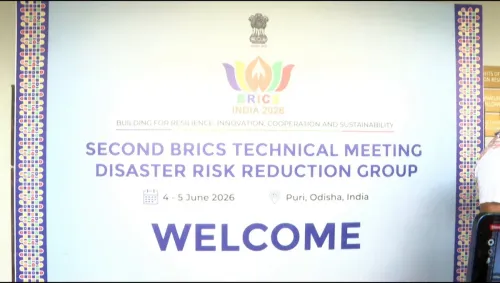
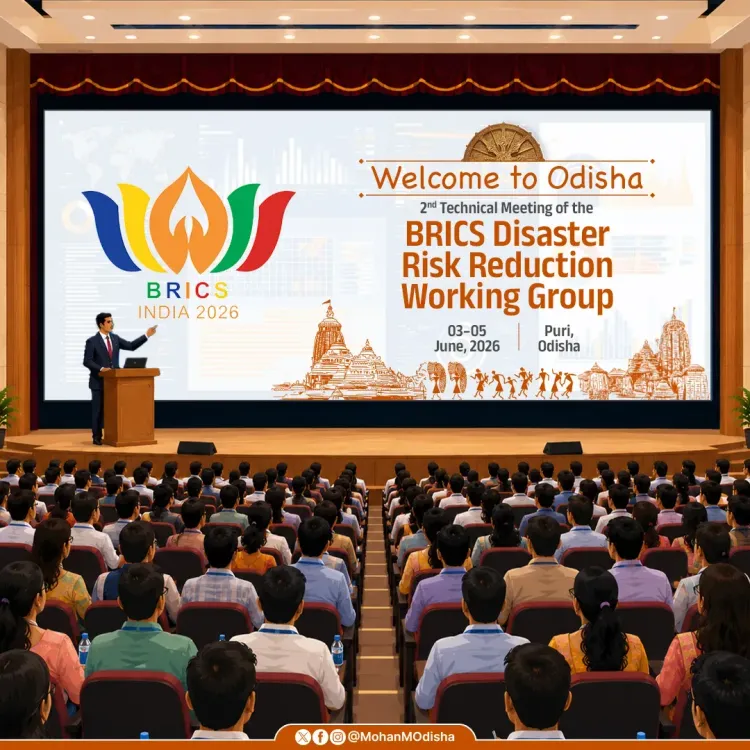
Odisha CM Mohan Charan Majhi has welcomed BRICS delegates to Puri for the Second Technical Meeting of the BRICS Disaster Risk Reduction Working Group from 3–5 June 2026, showcasing the state's globally recognised disaster management model built after the 1999 super cyclone and refined during Cyclone Fani in 2019.
Key Takeaways
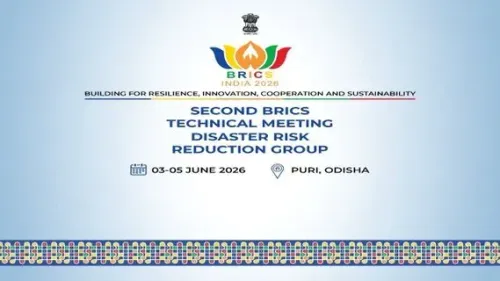
Odisha is hosting the Second Technical Meeting of the BRICS Disaster Risk Reduction Working Group in Puri from 3 to 5 June 2026 .
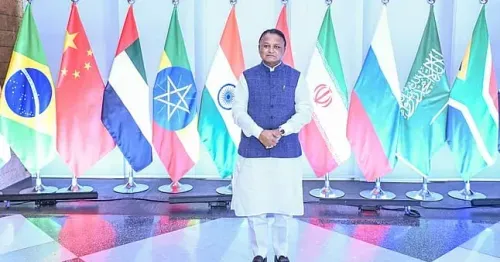
CM Mohan Charan Majhi personally welcomed delegates from BRICS nations, calling the event 'a matter of great pride for Odisha.' The meeting falls under India's BRICS chairmanship in 2026 , flagged by the hashtag #BRICSIndia2026 .
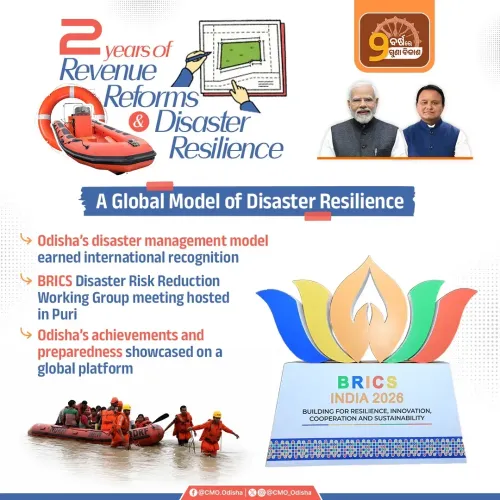
Odisha's disaster management credentials stem from the creation of OSDMA after the 1999 super cyclone and the near-zero-fatality evacuation during Cyclone Fani in 2019 .
Outcomes from the Puri meeting are expected to inform broader BRICS-level commitments on early-warning systems and capacity-building.
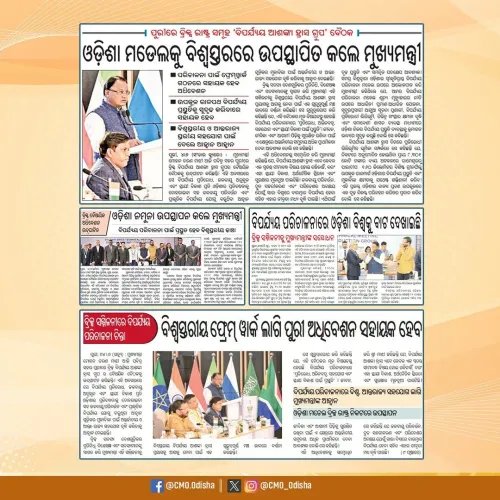
Odisha Chief Minister Mohan Charan Majhi on Tuesday, 2 June 2026 welcomed delegates from BRICS nations to Puri as the state prepares to host the Second Technical Meeting of the BRICS Disaster Risk Reduction Working Group from 3 to 5 June 2026. The event positions Odisha as a global reference point for disaster preparedness and community resilience on a multilateral stage.
Context
In his post, CM Majhi described the hosting of the meeting as 'a matter of great pride for Odisha', saying it 'reflects the growing global recognition of Odisha's leadership in disaster preparedness, resilience and effective disaster management.' He welcomed delegates to Puri, which he called 'the abode of Mahaprabhu Shri Jagannath,' and expressed confidence that the gathering would 'strengthen cooperation and advance global disaster resilience.'
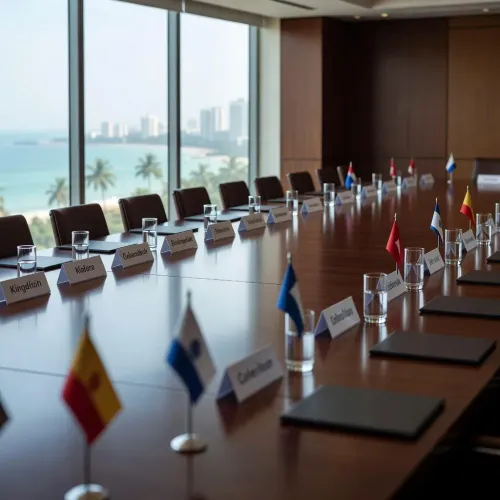
The meeting comes under the #BRICSIndia2026 umbrella, with India holding the BRICS chairmanship in 2026. Hosting the technical working group in Puri is a deliberate choice: the coastal pilgrimage city sits on a stretch of the Bay of Bengal coastline that has been repeatedly battered by cyclones, making it a living demonstration of the challenges the meeting seeks to address.
Policy Backdrop
Odisha's credentials in disaster management are rooted in hard experience. The catastrophic 1999 super cyclone prompted the state to establish the Odisha State Disaster Management Authority (OSDMA), institutionalising preparedness and building a response infrastructure that became a national template.
The state's handling of Cyclone Fani in May 2019 — when authorities evacuated roughly 12 lakh people in under 48 hours with near-zero fatalities — drew international acclaim from bodies including the United Nations and the World Bank, which cited it as a model for mass-evacuation management. That track record is the substantive basis for Odisha's prominence in the BRICS Disaster Risk Reduction Working Group discussions.
Stakeholders and Impact
The BRICS Disaster Risk Reduction Working Group brings together technical experts from member states to share methodologies on early warning systems, community-level resilience, and post-disaster recovery. For Odisha's coastal communities — who live with annual cyclone and flood risk — the meeting offers a channel to feed ground-level operational knowledge into multilateral policy frameworks.
More broadly, the Puri meeting illustrates a widening of the BRICS agenda beyond economics into non-traditional security domains such as climate resilience and disaster governance. Indian sub-national governments with proven operational expertise are increasingly contributing technical content to these global conversations, giving states like Odisha a visibility that extends well beyond their domestic mandate.
What's Next
The outcomes of the 3–5 June technical meeting are expected to feed into the broader BRICS summit process under India's 2026 chairmanship. Observers will watch for any follow-up commitments on early-warning system interoperability or capacity-building programmes that member states may agree to carry forward. For CM Majhi, a successful hosting will reinforce Odisha's standing as a model state in disaster governance — a credential that carries weight both at home and in India's multilateral diplomacy.
Point of View
The event offers a high-visibility platform to consolidate Odisha's identity as a disaster-resilience leader, a brand built over two decades that now transcends party lines. The broader arc here is significant: BRICS is visibly expanding from a finance-and-trade club into a forum that addresses climate vulnerability and disaster governance, and sub-national actors with operational credibility are being pulled into that conversation. How the technical outputs from Puri are absorbed into the 2026 BRICS summit process will signal whether this sub-national expertise translates into durable multilateral commitments.
NationPress
16 Sept 2026
Frequently Asked Questions
What is the BRICS Disaster Risk Reduction Working Group meeting in Puri about?
The Second Technical Meeting of the BRICS Disaster Risk Reduction Working Group, held in Puri from 3 to 5 June 2026, brings together technical experts from BRICS nations to share knowledge on disaster preparedness, early-warning systems, and community resilience. Odisha is hosting the event under India's 2026 BRICS chairmanship.
Why was Odisha chosen to host the BRICS disaster risk meeting?
Odisha has internationally recognised expertise in disaster management, most notably for evacuating roughly 12 lakh people with near-zero fatalities during Cyclone Fani in 2019. The state also created the OSDMA after the devastating 1999 super cyclone, building a preparedness model cited by the UN and World Bank.
What is CM Mohan Charan Majhi's role in the BRICS Puri meeting?
As Chief Minister of Odisha, Mohan Charan Majhi is the host of the meeting and has personally welcomed delegates from BRICS nations to Puri, describing the event as 'a matter of great pride for Odisha.'
What is BRICSIndia2026?
BRICSIndia2026 refers to India's chairmanship of the BRICS grouping in 2026, under which India is organising a series of meetings and summits across the country, including the technical disaster risk reduction meeting in Puri.
What could come out of the BRICS Disaster Risk Reduction meeting in Puri?
Possible outcomes include agreements on early-warning system interoperability and capacity-building programmes among BRICS member states. The technical outputs from Puri are expected to feed into the broader BRICS summit process under India's 2026 chairmanship.