BRICS Disaster Risk Reduction meet in Puri from June 3: Key details

Synopsis
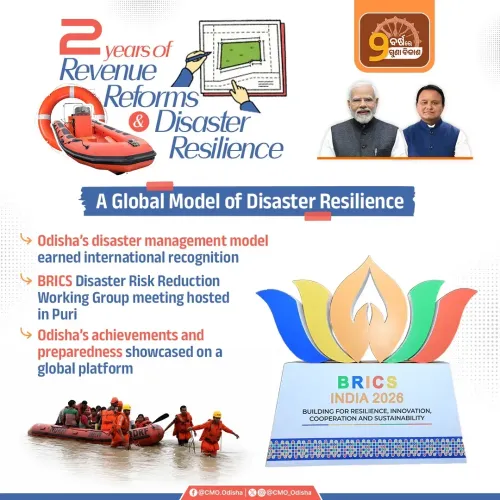
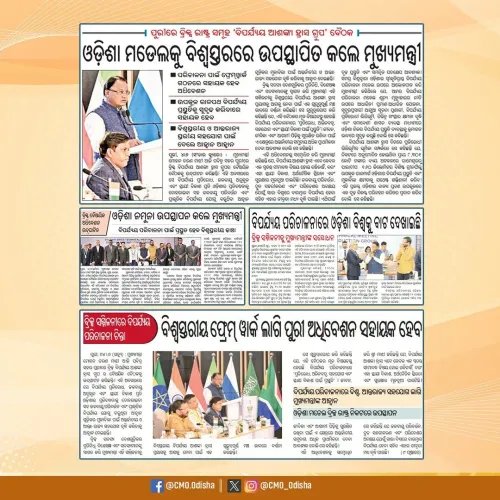
Odisha's hard-won reputation as India's cyclone management leader has earned it a coveted international stage: the BRICS Disaster Risk Reduction Working Group meeting in Puri from June 3-5, 2026. With delegates from over 10 nations converging under India's BRICS Presidency, the event is both a policy forum and a showcase of what proactive disaster governance can look like.
Key Takeaways
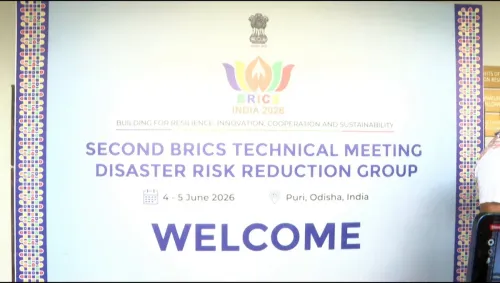
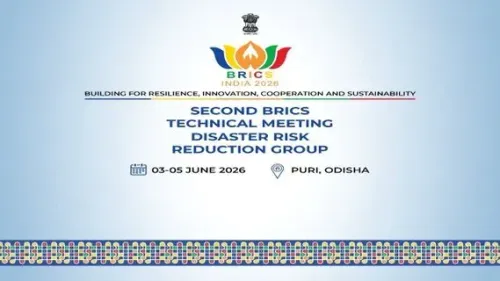
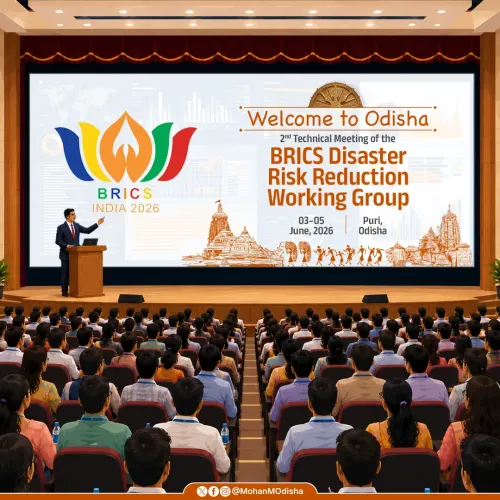
Odisha will host the BRICS DRR Working Group technical meeting in Puri from 3 to 5 June 2026 .
The event is being organised under India's BRICS Presidency at the Taj Puri Resort .
Delegates from Brazil, Egypt, Ethiopia, Indonesia, Iran, Russia, Saudi Arabia, South Africa, UAE, and China , among others, will participate.
Odisha was selected in recognition of its cyclone management , early warning systems , and evacuation strategies .
The meeting will focus on knowledge exchange , new disaster technologies, and strengthening international cooperation .
Odisha will host the BRICS Technical Meeting of the Disaster Risk Reduction (DRR) Working Group in Puri from 3 to 5 June 2026, under India's BRICS Presidency. The three-day conference, to be held at the Taj Puri Resort, will bring together officials, policymakers, and technical experts from across the BRICS grouping and its newer member nations.
Who Will Attend
Delegates from Brazil, Egypt, Ethiopia, Indonesia, Iran, Russia, Saudi Arabia, South Africa, the UAE, and China, among other participating countries, are expected at the conference. Representatives will deliberate on issues spanning disaster management, resilience building, and international cooperation.
Why Odisha Was Chosen
According to an official statement, Odisha was selected as the host in recognition of the state's proactive and well-documented track record in disaster preparedness. The state has earned international appreciation for its cyclone management protocols, community-based early warning systems, and large-scale rescue and evacuation strategies. This standing makes it a credible showcase for best practices within the BRICS framework.
What the Meeting Aims to Achieve
The DRR Working Group is a specialised forum where member nations coordinate on climate resilience and emergency response. The June 2026 session is expected to facilitate structured knowledge exchange, promote discussions on new technologies and coordinated response frameworks, and deepen mutual cooperation among member states.
Broader Significance
Hosting the meeting positions Puri — and Odisha more broadly — as a recognised centre of disaster management expertise on the global stage. Officials noted that the conference will not only highlight the state's achievements internationally but also strengthen India's standing as a capable and engaged chair of the BRICS grouping this year. This comes amid growing global focus on climate-linked disasters, with BRICS nations collectively accounting for a significant share of the world's disaster-exposed population.
Point of View
Expanded now to over a dozen member nations with vastly different governance capacities, can produce actionable coordination frameworks or will remain a knowledge-sharing ritual. India's BRICS Presidency has an opportunity to push for binding data-sharing protocols on early warning systems — something the DRR forum has historically stopped short of. Whether Puri becomes a milestone or a footnote depends on what commitments emerge, not just what is deliberated.
NationPress
20 Sept 2026
Frequently Asked Questions
Where and when is the BRICS Disaster Risk Reduction meeting being held?
The BRICS Technical Meeting of the Disaster Risk Reduction Working Group is being held at the Taj Puri Resort in Puri, Odisha, from 3 to 5 June 2026. It is being organised under India's BRICS Presidency.
Which countries will participate in the Puri BRICS DRR meeting?
Delegates from Brazil, Egypt, Ethiopia, Indonesia, Iran, Russia, Saudi Arabia, South Africa, the UAE, and China, among other BRICS member and partner nations, are expected to attend. Officials, disaster management experts, and policymakers will represent each country.
Why was Odisha chosen to host the BRICS disaster management meeting?
Odisha was selected in recognition of its proactive and internationally acclaimed disaster preparedness record, particularly its cyclone management systems, community-based early warning networks, and large-scale evacuation strategies. The state is widely regarded as a model for disaster governance in the region.
What will be discussed at the BRICS DRR Working Group meeting?
Participants will deliberate on disaster management, resilience building, and international cooperation. The agenda is expected to include discussions on new technologies, coordinated response approaches, and mechanisms for knowledge exchange among member nations.
What is the BRICS Disaster Risk Reduction Working Group?
It is a specialised forum within the BRICS framework where officials, policymakers, and technical experts from member and partner nations coordinate on disaster management and climate resilience. The working group facilitates structured cooperation and best-practice sharing across the grouping.