West Bengal revamps Darjeeling tourism with digital push, 5 new ropeways
Synopsis
West Bengal is betting on a full digital overhaul — a three-day-built tourism app, five new ropeways, and a mandatory homestay registration drive — to transform Darjeeling and North Bengal's hill tourism within six months. With ₹57 crore in central funds in play and a Nobel laureate's bungalow on the heritage list, the state is pitching Tagore-country as a global destination, not just a weekend escape.
Key Takeaways
West Bengal plans to fully digitise its hill tourism sector within six to seven months , covering Darjeeling , Kalimpong , Mirik , Kurseong , and Mongpu .
A 'Digital Tourism App' developed by the Darjeeling district administration in three days is already operational, with plans to extend it statewide.
Reviews have begun for five new ropeways to tackle long-standing traffic congestion in the hills.
Unregistered homestays and identity-check lapses have prompted a crackdown; all homestay processes are moving entirely online.
A ₹57 crore central government budget allocation will fund infrastructure development across hill districts.
Heritage sites including the Mongpu Bungalow linked to Rabindranath Tagore are earmarked for preservation and infrastructure upgrades.
The West Bengal government has launched a sweeping initiative to overhaul tourism in the state's hilly regions, including Darjeeling, Kalimpong, Mirik, Kurseong, and Mongpu, with plans to fully digitise the sector within six to seven months, a senior government official said on Thursday, 22 October 2026. The revamp targets infrastructure upgrades, traffic decongestion, waste management, and international promotion through cultural events.
Digital Infrastructure at the Core
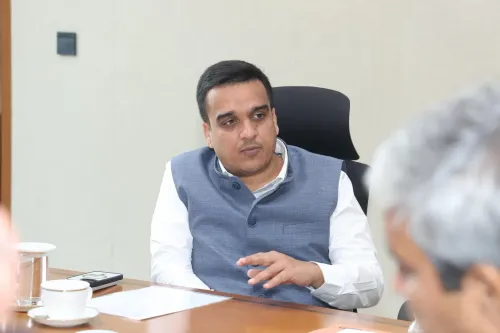
State Tourism Minister Shankar Ghosh said digital tools are being deployed as the primary lever to improve the tourist experience and spotlight lesser-known destinations. A 'Digital Tourism App' built by the Darjeeling district administration in just three days is already live, giving tourists one-click access to heritage sites, offbeat destinations, and practical travel information. The minister noted that this model will be scaled to every district in the state. The main website of the tourism department is also being redesigned for easier access to information.
Ropeways, Heritage Sites and Offbeat Destinations
A special emphasis is being placed on a ropeway project to ease chronic traffic congestion in the hills. Reviews have begun for the construction of five new ropeways in the initial phase. Beyond the established draws of the Tea Festival, Vintage Car Rally, Walkathon, River Rafting, and paragliding, the plan covers preservation of heritage properties including the Mahakal Temple, Sevak's Kali Mandir, the old bungalow of Kalijhora, and the Mongpu Bungalow — historically linked to Nobel Laureate Rabindranath Tagore. Minister Ghosh stressed the importance of promoting offbeat locations beyond Darjeeling itself: 'Although Darjeeling comes to mind when we talk about tourism in North Bengal, it is very important to promote offbeat places spread outside it.'
Homestay Policy Overhaul
A major policy shift is underway in the homestay sector following concerns raised by district administration. Officials found that many homestays remain unregistered and that tourists are being accommodated without identity verification — a practice flagged as a security risk. Darjeeling and Kalimpong police have been directed to prepare detailed lists of both legal and illegal homestays. Going forward, all homestay registration, renewal, and government application processes will shift entirely online, eliminating paper-based workflows. A new homestay policy and a tourism industry policy, both cleared by the state cabinet, are expected to be made public shortly.
Budget and Economic Impact
According to sources in the tourism department, a plan has been drawn up to leverage a ₹57 crore central government budget allocation, along with the department's own land and property assets, to boost the hill economy. If implemented successfully, the initiative is expected to increase employment across the hilly regions, raise revenue collection, and elevate North Bengal tourism onto the global map. Area-based development planning is specifically underway for Darjeeling, Kalimpong, Mirik, Dudiya, Mongpu, and Kurseong. This comes amid growing competition from hill destinations in neighbouring states and broader national efforts to formalise tourism infrastructure.
Point of View
But the real test is execution speed — the six-to-seven-month digitisation window is tight for a region where offline processes are deeply entrenched. The homestay crackdown is overdue, but directing police to audit unregistered properties risks friction with local operators who form the backbone of hill tourism. The ₹57 crore central allocation is meaningful but not transformative on its own; the bigger lever is whether the digital model actually draws footfall to offbeat destinations or simply repackages the existing Darjeeling circuit. Without hard metrics on employment creation and tourist arrivals, this risks becoming another well-designed policy that falls short in the hills.
NationPress
22 Oct 2026
Frequently Asked Questions
What is the West Bengal government's new tourism plan for Darjeeling?
The West Bengal government has announced a comprehensive overhaul of hill tourism across Darjeeling, Kalimpong, Mirik, Kurseong, and Mongpu, aimed at full digitalisation within six to seven months. Key components include a Digital Tourism App, five new ropeways, homestay policy reform, heritage preservation, and international cultural promotion backed by ₹57 crore in central funds.
What is the Darjeeling Digital Tourism App?
The Digital Tourism App was developed by the Darjeeling district administration in three days and provides tourists with one-click access to heritage sites, offbeat destinations, and practical travel information. Tourism Minister Shankar Ghosh said the model will be extended to every district in West Bengal.
What changes are coming to the homestay policy in Darjeeling?
The West Bengal government is mandating full registration of all homestays and shifting all registration, renewal, and application processes entirely online. Darjeeling and Kalimpong police have been asked to prepare lists of legal and illegal homestays after officials found that many tourists were being housed without identity verification. A new cabinet-approved homestay policy is expected to be made public soon.
Why are ropeways being built in Darjeeling?
Five new ropeways are being planned in Darjeeling to address chronic traffic congestion, which has long affected the tourism experience in the hill town. Reviews for the initial phase of construction have already begun, according to government officials.
Which heritage sites are being developed under the plan?
The plan covers the Mahakal Temple, Sevak's Kali Mandir, the old bungalow of Kalijhora, and the Mongpu Bungalow, which is historically associated with Nobel Laureate Rabindranath Tagore. These sites are earmarked for heritage preservation alongside infrastructure upgrades.