West Bengal launches new transfer grant for govt staff, up to ₹50,000
Synopsis
West Bengal has scrapped its decades-old transfer grant and replaced it with a ₹50,000 lump-sum scheme requiring no receipts — a rare administrative simplification that also, for the first time, covers retiring employees moving back to their hometowns.
Key Takeaways
West Bengal cabinet approved the Composite Transfer and Packing Grant on 28 August , replacing the old Transfer Grant and Packing Allowance system.
The new grant offers up to ₹50,000 or 80% of basic pay — whichever is lower — as a lump sum.
Employees transferred 30 km or more receive the full grant; those transferred under 30 km receive one-third of the amount.
No receipts are required to claim the grant, simplifying the disbursement process.
Retiring employees relocating to their native places are also covered under the new scheme.
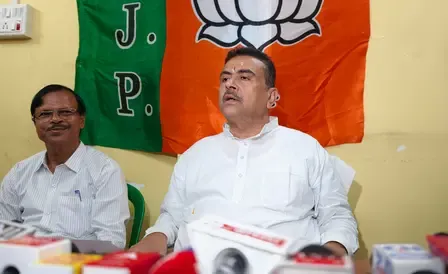
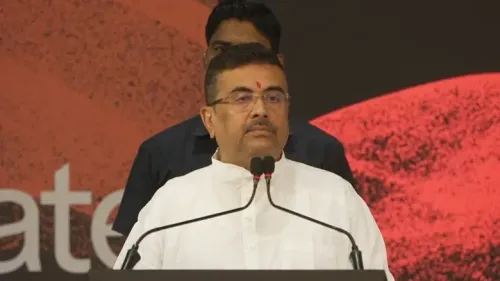
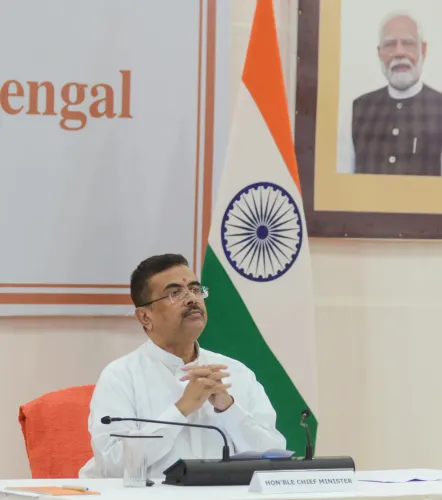
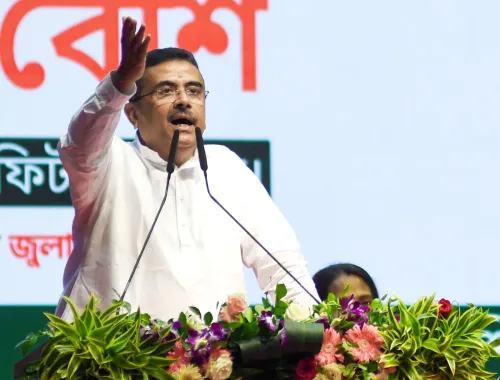
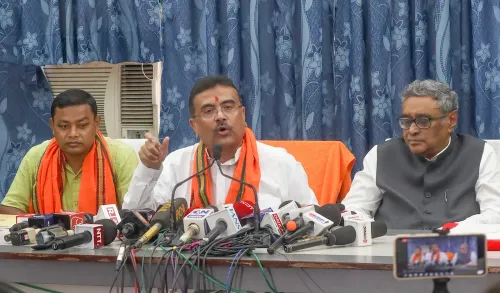
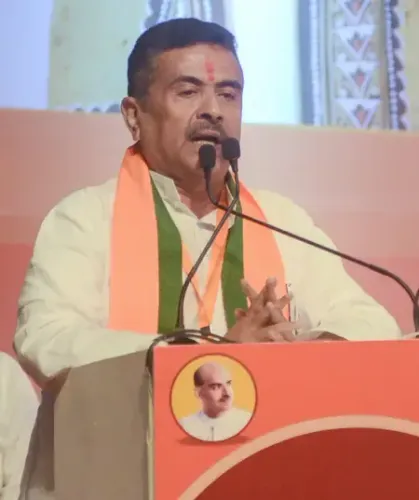
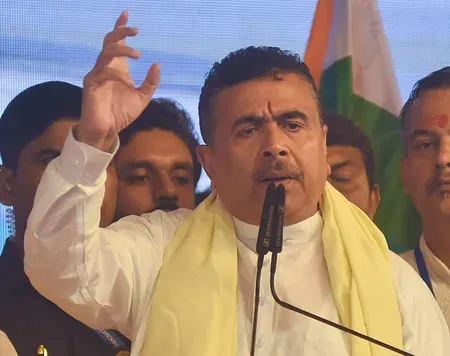
The West Bengal government on Friday, 28 August announced a revamped relocation allowance framework for state government employees transferred across the state, replacing a decades-old system that employees say had become woefully inadequate. The new scheme, formally termed the Composite Transfer and Packing Grant, was unveiled by Chief Minister Suvendu Adhikari through a social media statement.
What the New Grant Covers
Under the revised formula, eligible employees will receive a lump-sum amount of a maximum of ₹50,000 or 80 per cent of their basic pay — whichever is lower. Crucially, employees will not be required to submit receipts to claim the grant, simplifying a process that had long been a bureaucratic hurdle.
The grant is structured around transfer distance. Employees relocated 30 kilometres or more from their current posting will be entitled to the full grant amount. Those transferred below 30 kilometres will receive one-third of the applicable amount.
Retiring Employees Also Covered
The scheme extends beyond serving employees. Adhikari confirmed that retiring government staff who relocate to their native places upon retirement will also be eligible for the Composite Transfer and Packing Grant — a provision absent from the previous arrangement and one that has drawn particular appreciation from employees nearing the end of their service.
What the Chief Minister Said
Announcing the cabinet decision, Adhikari said: 'West Bengal Government remains steadfast in its commitment to the welfare and well-being of our dedicated State Government Employees, who work tirelessly to serve the people of West Bengal. I am pleased to share that the State Cabinet has approved the introduction of a simplified and enhanced Composite Transfer and Packing Grant, replacing the decades-old Transfer Grant and Packing Allowance system.'
Employee Response and Background
The announcement has been broadly welcomed by state government employees, particularly those approaching retirement. Many had long complained that the previous transfer grant was so nominal it barely covered a fraction of actual relocation costs — including transport, temporary accommodation, and household packing. This is the first major overhaul of the transfer allowance framework in several decades, and comes as the state government faces pressure to improve service conditions for its workforce. The receipt-free disbursement model, in particular, is seen as a meaningful administrative reform that reduces the compliance burden on transferring employees.
With the cabinet approval now in place, implementation details — including the effective date and payroll integration — are expected to be notified formally in the coming days.
Point of View
000 ceiling deserves scrutiny. For employees transferred across West Bengal's vast geography, say from Kolkata to Cooch Behar or Purulia, actual relocation costs can far exceed that figure. Pegging the cap to 80% of basic pay also means lower-grade employees — who face the greatest financial strain from transfers — receive the least. The extension to retiring employees is a welcome and overdue fix, but the broader reform stops short of indexing the grant to actual market costs, which means it could become just as outdated as its predecessor within a decade.
NationPress
13 Oct 2026
Frequently Asked Questions
What is the Composite Transfer and Packing Grant in West Bengal?
It is a new lump-sum relocation allowance for West Bengal state government employees, approved by the state cabinet on 28 August. It replaces the old Transfer Grant and Packing Allowance system and offers up to ₹50,000 or 80% of basic pay, whichever is lower, without requiring employees to submit receipts.
Who is eligible for the new West Bengal transfer grant?
All state government employees transferred from one posting to another are eligible. Those transferred 30 kilometres or more receive the full grant; those transferred below 30 kilometres receive one-third of the applicable amount. Retiring employees who move to their native places after retirement are also covered.
Why was the old transfer allowance replaced?
The previous system was described as decades-old and widely considered inadequate by state employees, who said the earlier grant did not cover even a small portion of actual relocation costs. The new scheme simplifies the process by removing the receipt-submission requirement and raising the maximum payout.
Do employees need to submit bills or receipts to claim the grant?
No. Under the Composite Transfer and Packing Grant, employees are not required to furnish any receipts or bills. The amount is disbursed as a straightforward lump sum, reducing the administrative burden on transferring staff.
When will the new transfer grant come into effect?
Chief Minister Suvendu Adhikari announced cabinet approval on 28 August, but formal implementation details — including the effective date and payroll integration — are expected to be notified separately in the coming days.